
Tennoji Zoo
Tennoji Zoo is a significant zoological garden located in Osaka, Japan, established in 1915. As the third zoo founded in the country, it plays a role in the historical development of Japanese zoological institutions and offers a diverse range of animal exhibits and conservation efforts.
Key Facts
- ›Located in Tennōji Park, Tennōji-ku, Osaka, Japan.
- ›Opened on January 1, 1915, making it the third zoo established in Japan.
- ›Covers an area of 11 hectares (27 acres).
- ›Features specialized zones such as the African Savanna Zone, Elephant Village, and World of Birds.
- ›Is the only zoo in Japan to house kiwis.
- ›Has undergone several modernizations, including the opening of Penguin Park & Sea Lion Wharf in 2023 and the planned Polar Bear Coast in 2026.
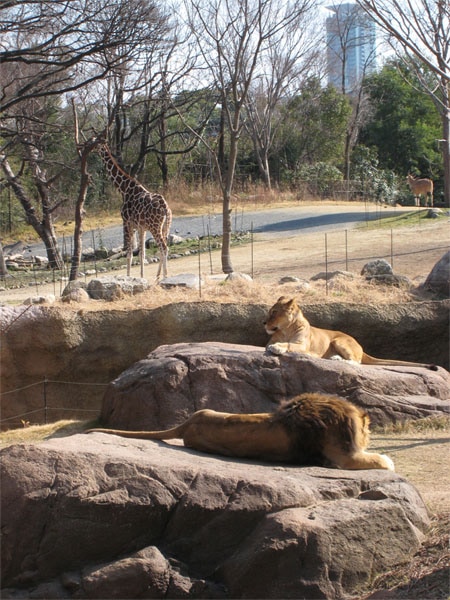
African Savanna Zone, Elephant Village, World of Birds, Penguin Park & Sea Lion Wharf, Polar Bear Coast, Flight Aviary, Nocturnal House
Rita, Lloyd, Hiroko
About Tennoji Zoo
Tennoji Zoo, officially known as Tennōji Dōbutsuen (天王寺動物園), is a prominent zoological garden situated within Tennōji Park in Tennōji-ku, Osaka, Japan. Opened on January 1, 1915, it holds the distinction of being the third zoo to be established in the country. Its location southwest of the historic Shitennō-ji temple, Japan's first Buddhist temple, places it within a culturally rich area of Osaka.
History and Development
The zoo's history includes notable animal acquisitions and popular attractions. In the late 1920s, the zoo acquired a chimpanzee named Torō, whose brief stay was followed by the acquisition of Rita and her mate Lloyd, who became exceptionally popular across Japan. The zoo has continuously evolved, with significant modernizations and new exhibit openings in recent years. These include the Penguin Park & Sea Lion Wharf, which opened in April 2023, and the World of Birds, inaugurated in November 2023. Future developments include the planned opening of the Polar Bear Coast in August 2026.
Attractions and Animal Collections
Tennoji Zoo is organized into several specialized zones designed to showcase diverse species in tailored environments. The African Savanna Zone features expansive habitats where predators and prey are exhibited in proximity, creating an illusion of shared space. The Elephant Village, formerly the Asian Tropical Rainforest Zone, was expanded and reopened in 2026 with three new Asian elephants from Malaysia, following the passing of its last resident elephant, Hiroko, in 2018. The zoo is also unique in Japan for housing kiwis in its Nocturnal House, though concerns about the enclosure's suitability were raised in 2024.
Other notable areas include the Friendship Garden, established in April 2022 for interaction with domestic animals, and various aviaries and enclosures housing a range of birds, reptiles, and mammals. Specific animals mentioned in the zoo's collection include Andean condors, Amur tigers, jaguars, red pandas, Japanese raccoon dogs, Aldabra giant tortoises, and sun bears, among many others. The zoo's commitment to displaying a wide array of species reflects its role as a significant zoological institution in Japan.
Source: Wikipedia ↗
Frequently Asked Questions
When was Tennoji Zoo established?
Tennoji Zoo was established on January 1, 1915. It holds the distinction of being the third zoo to be built in Japan.
What is the size of Tennoji Zoo?
The zoo covers an area of 11 hectares, which is equivalent to 27 acres. This size allows for expansive habitats for its diverse animal collection.
What are some of the notable animal exhibits at Tennoji Zoo?
Tennoji Zoo features a variety of distinct zones and exhibits. These include the African Savanna Zone, the Elephant Village which was formerly the Asian Tropical Rainforest Zone, and the World of Birds.
Does Tennoji Zoo have any unique animal residents?
Yes, Tennoji Zoo is notably the only zoo in Japan that houses kiwis. Concerns were raised in 2024 regarding the suitability of the enclosure for these birds.
What is the history behind the chimpanzee exhibit at Tennoji Zoo?
In the late 1920s, the zoo acquired a chimpanzee named Torō, who sadly passed away quickly. This led to the acquisition of Rita and her mate Lloyd, who became very popular attractions.
What recent developments have occurred at Tennoji Zoo?
Recent developments include the opening of the Penguin Park & Sea Lion Wharf on April 26, 2023, and the World of Birds on November 21, 2023. The Polar Bear Coast is scheduled to open on August 4, 2026.
Related Zoos

Chiba Zoological Park
Chiba Zoological Park, located in Chiba Prefecture, Japan, is a significant zoological institution that opened in 1985. It is recognized for its diverse animal collection, including many endangered species, and its commitment to conservation and public education through innovative exhibits and programs.
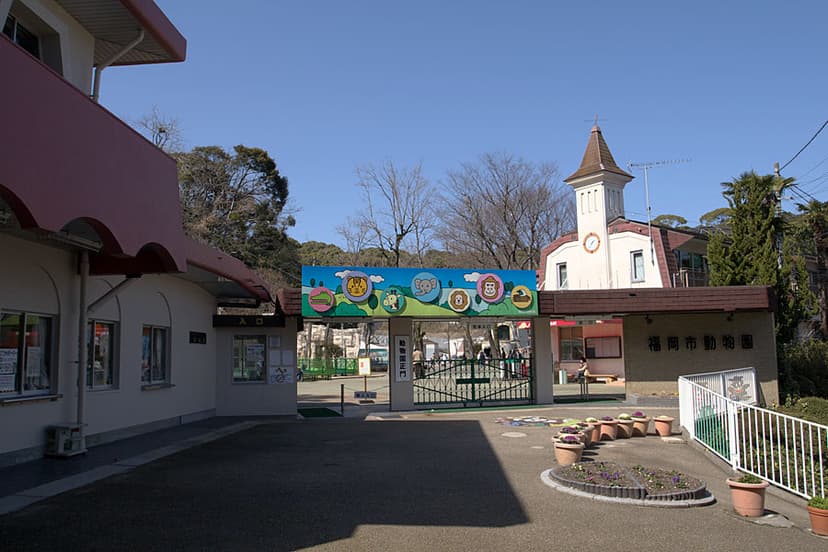
Fukuoka Municipal Zoo and Botanical Garden
The Fukuoka Municipal Zoo and Botanical Garden, also known as the Fukuoka City Zoological Garden, is a public institution established in 1953. It serves as both a zoological park and a botanical garden, housing a diverse collection of plants and animals for public viewing and education. The zoo has a significant history, having been established in a previous location in 1933 before relocating to its current site.
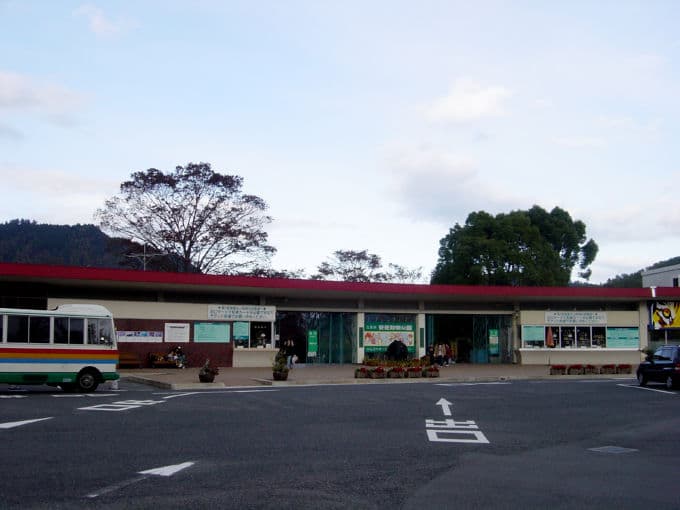
Hiroshima City Asa Zoological Park
Hiroshima City Asa Zoological Park is a zoo located in Hiroshima, Japan, that opened in 1971. It is known for its diverse collection of animals and its engagement with citizen volunteers to enhance visitor experience.