
Tropiquaria Zoo
England·Tropical House and Zoo·20th Century
Tropiquaria Zoo is a small tropical house and zoo situated in Somerset, England, notable for its unique location within a 1930s Art Deco BBC radio transmitter hall. Opened in 1989, it features a tropical hall, aquarium, and numerous outdoor enclosures with a predominantly African theme, and is a member of the British and Irish Association of Zoos and Aquariums.
Key Facts
- ›Located in a Grade II listed 1930s Art Deco BBC radio transmitter hall in Washford, Somerset, England.
- ›Opened on the site in 1989, transforming a surplus BBC building.
- ›Features a Tropical Hall with snakes, lizards, and birds, and an aquarium with endangered and extinct-in-the-wild fish species.
- ›Boasts a predominantly African theme across its tropical hall, aquarium, and outdoor enclosures.
- ›Is a member of the British and Irish Association of Zoos and Aquariums (BIAZA).
- ›Has successfully bred a variety of endangered mammals, reptiles, birds, and fish.

Tropical Hall, Aquarium
- Breeding programs for endangered mammals, reptiles, birds, and fish
About Tropiquaria Zoo
Tropiquaria Zoo is a distinctive tropical house and zoo located in Somerset, England. Its unique setting within a 1930s Art Deco BBC radio transmitter hall at Washford Cross is a significant feature, with the building itself being a Grade II listed structure.
History and Development
The zoo opened its doors on the site in 1989. The BBC's requirement for the transmitter hall diminished in 1981 with the installation of new equipment in a separate building. By 1987, a consortium named Ark Enterprises Ltd, led by Stephen Smith, proposed a £100,000 scheme to convert the unused portion of the building into an aquarium and reptile house. The consortium secured both a 21-year lease on the building and the necessary planning permission in 1987, paving the way for the zoo's establishment.
Themed Environment and Inhabitants
Tropiquaria Zoo embraces a predominantly African theme across its tropical hall, aquarium, and numerous outdoor enclosures. The Tropical Hall houses a variety of reptiles, including snakes and lizards, as well as various bird species. The on-site aquarium is home to several species of fish that are endangered, critically endangered, or even extinct in the wild.
Beyond these indoor exhibits, the zoo's outdoor areas feature a diverse range of animals. Visitors can observe macaws, helmeted curassows, cockatoos, and parrots, alongside mammals such as agoutis, gibbons, servals, wildcats, wallabies, tapirs, cotton-top tamarins, red-handed tamarins, various lemur species (ring-tailed, ruffed, and brown), coatis, yellow mongooses, and meerkats, among many others.
Facilities and Affiliations
In addition to its animal exhibits, Tropiquaria Zoo provides amenities for visitors, including outdoor and indoor play areas, and a cafe. The zoo is an active member of BIAZA, the British and Irish Association of Zoos and Aquariums, and has a record of successfully breeding numerous endangered species across mammals, reptiles, birds, and fish.
Source: Wikipedia ↗
Frequently Asked Questions
Where is Tropiquaria Zoo located?
Tropiquaria Zoo is located at Washford Cross in Somerset, England. It is situated 16 miles (26 km) from Taunton and 9 miles (14 km) from Minehead.
What is unique about the Tropiquaria Zoo building?
The zoo is housed within a 1930s Art Deco BBC radio transmitter hall, which is a Grade II listed building. This historic structure was transformed into the zoo's facilities.
When did Tropiquaria Zoo open?
Tropiquaria Zoo opened on its current site in 1989. The transformation of the unused BBC building into an aquarium and reptile house was proposed in 1987.
What kind of animals can be seen at Tropiquaria Zoo?
Tropiquaria Zoo houses a variety of animals including snakes, lizards, and birds in its Tropical Hall, and numerous species of endangered fish in its aquarium. Outdoor enclosures feature animals such as macaws, gibbons, servals, wildcats, wallabies, and lemurs.
Does Tropiquaria Zoo focus on conservation?
Yes, Tropiquaria Zoo is a member of the British and Irish Association of Zoos and Aquariums and has a stated commitment to conservation. The zoo has successfully bred a number of endangered species of mammals, reptiles, birds, and fish.
Related Zoos
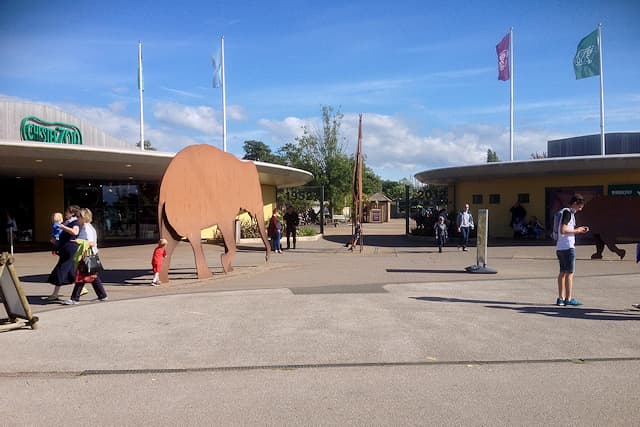
Chester Zoo
Chester Zoo, operated by the North of England Zoological Society, is a prominent wildlife attraction in Upton-by-Chester, England, and is recognized as one of the UK's largest zoos. It is a registered charity that receives no government funding and is celebrated for its extensive animal collection and significant conservation efforts, making it a highly visited and esteemed global zoo.

Lakeland Wildlife Oasis
Lakeland Wildlife Oasis is a zoological collection near Milnthorpe, Cumbria, England, with a distinct science and evolution theme. Operated by the registered charity Lakeland Trust for Natural Sciences since 2012, it aims to guide visitors through an evolutionary journey from marine life to mammals. The zoo is notable for its conservation efforts, particularly with endangered species like snow leopards.

Lakes Aquarium
The Lakes Aquarium is a significant tourist attraction located in Lakeside, Cumbria, England, on the southern shore of Windermere. Originally themed around the Lake District's waterways, it was re-branded in 2008 to focus on the world's lakes and is now owned by Spanish leisure company Parques Reunidos. It is recognized as the third most visited paying tourist attraction in Cumbria.