
Tsimbazaza Zoo
Madagascar·Botanical and Zoological Garden
The Botanical and Zoological Garden of Tsimbazaza, located in Antananarivo, Madagascar, is a significant institution for showcasing Malagasy wildlife and flora. It is renowned for housing a fine collection of unique Malagasy species and boasts Madagascar's largest herbarium, making it a vital center for both education and conservation.
Key Facts
- ›Located in the Tsimbazaza neighborhood of Antananarivo, Madagascar.
- ›Features a notable collection of Malagasy wildlife, including several unique species.
- ›Houses a museum with tribal carvings and skeletons of extinct megavertebrates like elephant birds and giant lemurs.
- ›Contains Madagascar's largest herbarium with approximately 80,000 plant specimens.
- ›An environmental teaching center, opened by the WWF in 1989, is located within the zoo.

- Museum with tribal carvings and extinct megavertebrate skeletons
- Elephant Bird Skeleton
- Pygmy Hippo Skeleton
- Giant Lemur Skeleton
Elephant Bird, Pygmy Hippos, Giant Lemurs
Environmental Teaching Center
About Tsimbazaza Zoo
Botanical and Zoological Garden of Tsimbazaza
The Botanical and Zoological Garden of Tsimbazaza (PBZT) is a significant zoological and botanical institution situated in the Tsimbazaza neighborhood of Antananarivo, Madagascar. Located just north of the National Assembly of Madagascar, the garden is celebrated for its comprehensive collection of Malagasy wildlife, with many of its species being unique to the island.
Collections and Facilities
The zoo is noted for housing what is described as "the finest collection of Malagasy wildlife." Visitors can observe a variety of animals, and the institution also serves as a repository for the remains of extinct megafauna. Among its museum exhibits are the skeletons of species such as the elephant bird, pygmy hippos, and giant lemurs, offering a glimpse into Madagascar's prehistoric biodiversity.
Beyond its zoological offerings, the Botanical and Zoological Garden of Tsimbazaza is home to Madagascar's largest herbarium, designated with the code TAN. This extensive collection comprises roughly 80,000 plant specimens, highlighting the rich botanical diversity of the region. The presence of this herbarium underscores the garden's importance in botanical research and conservation.
Educational and Conservation Efforts
Reinforcing its role as a center for learning and environmental awareness, the zoo hosts an environmental teaching center. This facility was inaugurated in November 1989 by the WWF, marking the organization's tenth anniversary in Madagascar. The center contributes to educating the public about the importance of wildlife and habitat preservation in the Malagasy ecosystem.
Source: Wikipedia ↗
Frequently Asked Questions
What is the Tsimbazaza Zoo?
The Botanical and Zoological Garden of Tsimbazaza is a zoological and botanical garden located in Antananarivo, Madagascar. It is known for its collection of Malagasy wildlife and flora, and includes a museum and the country's largest herbarium.
What kind of animals can be seen at Tsimbazaza Zoo?
The zoo is said to house the finest collection of Malagasy wildlife, featuring several unique species. It has displayed extinct megavertebrates such as elephant birds, pygmy hippos, and giant lemurs.
What other facilities are available at Tsimbazaza Zoo?
Beyond its animal exhibits, Tsimbazaza Zoo features a museum with tribal carvings and the skeletons of extinct megavertebrates. It also houses Madagascar's largest herbarium, containing around 80,000 plant specimens.
Does Tsimbazaza Zoo have any conservation or educational programs?
Yes, in November 1989, the WWF opened an environmental teaching center at the zoo to celebrate its tenth year in Madagascar. This center contributes to the educational mission of the institution.
Related Zoos

Parc Ivoloina
Parc Ivoloina is a recreational and educational zoological park located near Toamasina in eastern Madagascar, dedicated to the conservation and education of native Malagasy species. It serves as a significant regional conservation and education center, offering visitors a chance to explore wildlife exhibits, nature trails, and learn about ongoing environmental initiatives.
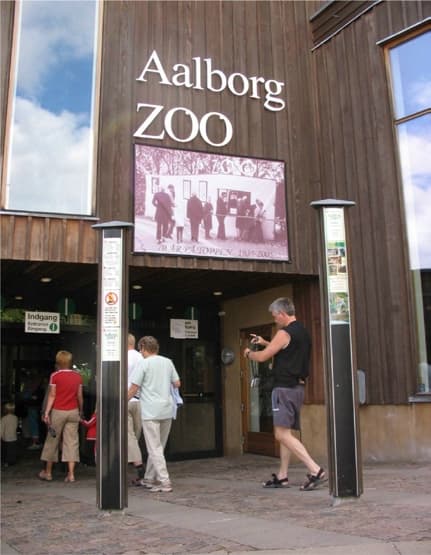
Aalborg Zoo
Aalborg Zoo is a zoological garden situated near the heart of Aalborg, Denmark, drawing approximately 375,000 visitors annually. It serves as a significant institution for animal conservation, actively participating in global breeding programs and environmental preservation projects, including supporting rainforest conservation in Ecuador.
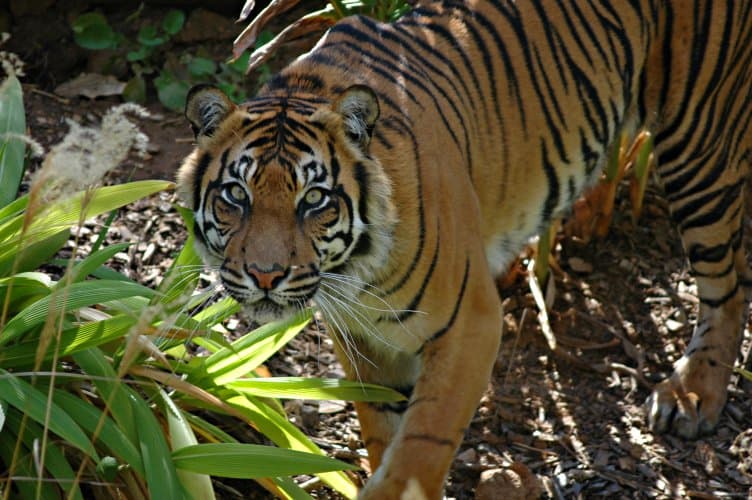
Adelaide Zoo
Adelaide Zoo, established in 1883, is Australia's second-oldest zoo and operates on a non-profit basis. Situated north of Adelaide's city center, it is managed by the Royal Zoological Society of South Australia and is a key institution for wildlife conservation and public education in the region.