
Ueno Zoo
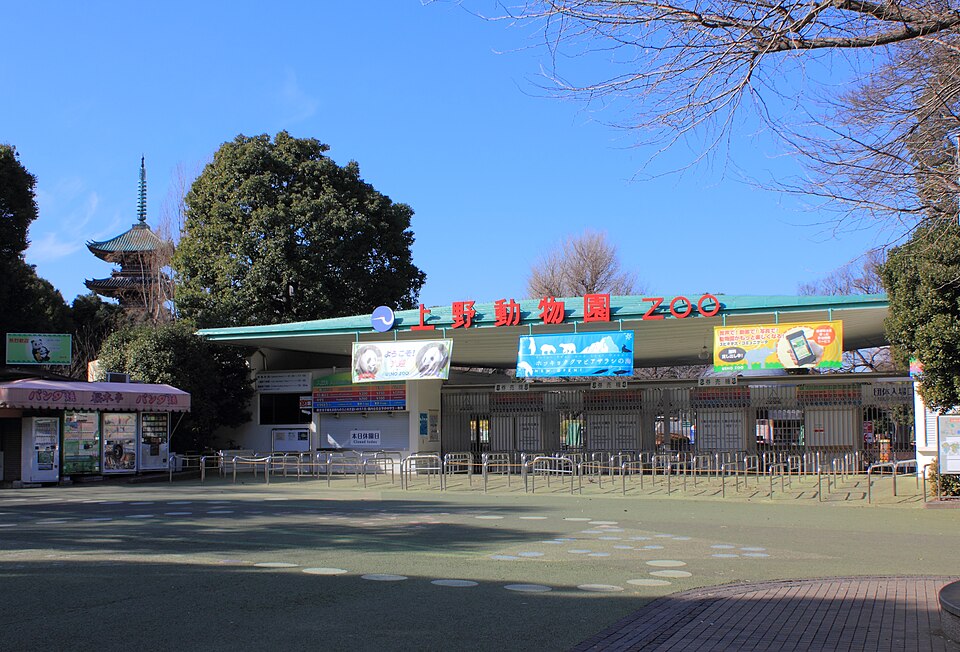
Ueno Zoo, established in 1882, is Japan's oldest zoo and a significant cultural institution located in Tokyo's Ueno Park. Managed by the Tokyo Metropolitan Government, it houses over 2,600 individuals from more than 500 species, playing a notable role in conservation and public education.
Key Facts
- ›Japan's oldest zoo, opened on March 20, 1882.
- ›Covers an area of 14.3 hectares (35 acres).
- ›Home to over 2,600 animals representing more than 500 species.
- ›Managed by the Tokyo Metropolitan Government.
- ›Located within Ueno Park, a large urban park in Taitō, Tokyo.
- ›Historically significant, including a tragic event during World War II where many animals were killed.
Gorilla Woods
Ling Ling, Ri Ri, Shin Shin, Xiang Xiang, Xiao Xiao, Lei Lei, Hanako, Indira
About Ueno Zoo
Ueno Zoo (恩賜上野動物園, Onshi Ueno Dōbutsuen) is a prominent zoological garden located in Taitō, Tokyo, Japan. Established on March 20, 1882, it holds the distinction of being Japan's oldest zoo. Managed by the Tokyo Metropolitan Government, Ueno Zoo spans 14.3 hectares (35 acres) and is a key attraction within the larger Ueno Park, which also features museums and other cultural sites.
History and Development
The zoo's origins lie in a menagerie associated with the National Museum of Natural History. In 1881, naturalist Tanaka Yoshio was tasked with its transformation into a public zoo, then known as the Ueno Imperial Zoo. The land itself, originally part of the imperial family's estate, was bestowed to the municipal government in 1924. The zoo's history is marked by significant events, including the tragic culling of many animals during World War II ordered by the administrator Shigeo Ōdachi, ostensibly for public safety but widely believed to be for propaganda purposes. A memorial to these animals was later erected within the zoo.
Animal Collection and Exhibits
Ueno Zoo is home to a substantial collection of wildlife, comprising over 2,600 individuals representing more than 500 species. The zoo is divided into two main sections, the eastern and western gardens, connected by the Aesop Bridge. Notable species housed include Sumatran tigers, western lowland gorillas, Asian elephants, giraffes, hippopotamuses, black rhinoceroses, polar bears, and various primate species.
Giant Pandas
The zoo has a well-documented history with giant pandas. After the passing of Ling Ling in 2008, the zoo welcomed two new pandas, Ri Ri and Shin Shin, from China in February 2011. Shin Shin gave birth to several cubs, including a male cub in 2012 (who sadly died shortly after birth), a female cub named Xiang Xiang in 2017, and twin cubs Xiao Xiao and Lei Lei in 2021. The pandas were returned to China in January 2026, marking a period without giant pandas in Japan for the first time since 1972.
Infrastructure and Modernization
In recent years, Ueno Zoo has undertaken renovations to provide animals with environments more closely resembling their natural habitats, replacing some older enclosures with modern designs like the "Gorilla Woods." However, some older concrete cages for animals such as giraffes, hippopotamuses, and rhinoceroses remain.
The zoo is easily accessible via public transportation, served by Ueno Station, Keisei Ueno Station, and Nezu Station. It is closed on Mondays, with Tuesdays serving as the closure day if Monday falls on a holiday.
Source: Wikipedia ↗
Frequently Asked Questions
When was Ueno Zoo founded?
Ueno Zoo was founded on March 20, 1882, making it the oldest zoo in Japan. Its origins trace back to a menagerie attached to the National Museum of Natural History.
Where is Ueno Zoo located?
Ueno Zoo is situated in Taitō, Tokyo, Japan, within the expansive Ueno Park. The park is a popular destination featuring museums, an amusement park, and other attractions.
How large is Ueno Zoo?
The zoo covers an area of 14.3 hectares, which is equivalent to approximately 35 acres. This space accommodates its diverse collection of animals and exhibits.
What is the significance of the giant pandas at Ueno Zoo?
Ueno Zoo has a notable history with giant pandas, first receiving Ling Ling in 1972. New pandas, Ri Ri and Shin Shin, arrived in 2011 and have since had several cubs, with the most recent twins born in 2021. The pandas were returned to China in January 2026.
What happened to the animals at Ueno Zoo during World War II?
During World War II, in August 1943, the administrator of Tokyo ordered the killing of 'wild and dangerous animals' due to fears of bombings and potential escapes. The animals were executed through poisoning, strangulation, or starvation, a tragic event for which a memorial exists at the zoo.
What kind of animals can visitors see at Ueno Zoo?
Ueno Zoo houses a wide variety of animals, including Sumatran tigers, western lowland gorillas, Asian elephants, giraffes, hippopotamuses, black rhinoceroses, polar bears, and Japanese macaques. The zoo is divided into eastern and western gardens showcasing these diverse species.
Related Zoos

Chiba Zoological Park
Chiba Zoological Park, located in Chiba Prefecture, Japan, is a significant zoological institution that opened in 1985. It is recognized for its diverse animal collection, including many endangered species, and its commitment to conservation and public education through innovative exhibits and programs.

Edogawa Ward Natural Zoo
Edogawa Ward Natural Zoo is a zoological park situated in Edogawa, Tokyo Prefecture, Japan. It serves as a local attraction for residents and visitors interested in observing a variety of animal species.
Fukuoka Municipal Zoo and Botanical Garden
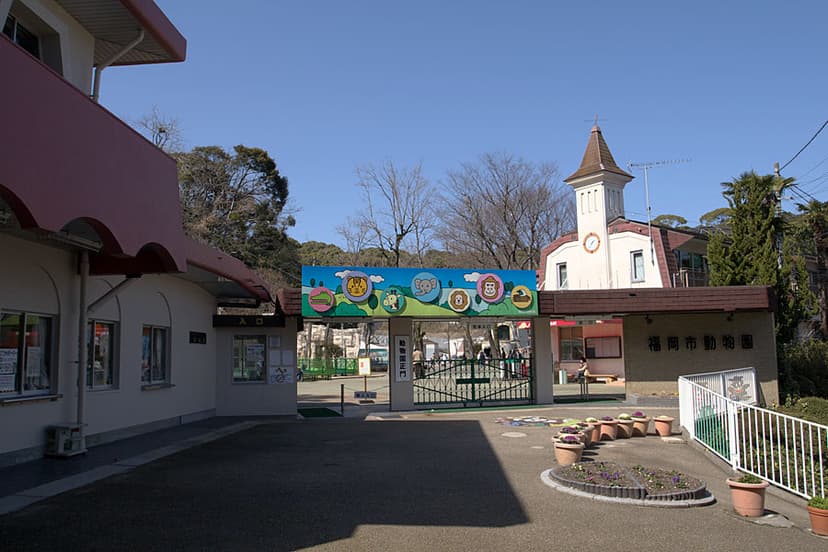
The Fukuoka Municipal Zoo and Botanical Garden, also known as the Fukuoka City Zoological Garden, is a public institution established in 1953. It serves as both a zoological park and a botanical garden, housing a diverse collection of plants and animals for public viewing and education. The zoo has a significant history, having been established in a previous location in 1933 before relocating to its current site.