
Warracknabeal
Warracknabeal is a town in Victoria, Australia, situated in the northern Wimmera and southern Mallee districts. It serves as a business and services center for the region and is the seat of government for the Shire of Yarriambiack. The town is known for its historical buildings, agricultural machinery museum, and its annual Easter Y-Fest event.
Key Facts
- ›Located in the Victorian wheatbelt, 330 km northwest of Melbourne.
- ›Serves as the business and services center for the northern Wimmera and southern Mallee districts.
- ›Hosts local government offices for the Shire of Yarriambiack.
- ›Features historical buildings including a 1872 prison cell, a Tudor-style post office, and 19th-century hotels.
- ›Home to an agricultural machinery museum showcasing farming history.
- ›The annual Easter Y-Fest is a significant community event incorporating various activities and attracting visitors.

Agricultural Machinery Museum
About Warracknabeal
Warracknabeal is a town located in the Australian state of Victoria, specifically within the Victorian wheatbelt. Situated on the banks of the Yarriambiack Creek, it lies 330 kilometers northwest of Melbourne. The town functions as the primary business and services hub for the northern Wimmera and southern Mallee districts. It also hosts the local government offices for the Shire of Yarriambiack.
History and Development
The area was originally inhabited by the Wotjobaluk tribe of Aboriginal people. The name "Warracknabeal" is believed to be derived from an Aboriginal expression meaning "place of big gums shading the water hole." The first European settlers in the region included Andrew and Robert Scott, who established a sheep run of the same name.
The town's Post Office opened on September 1, 1861, initially known as Werracknebeal until 1885. Historical architecture in Warracknabeal includes a prison cell built in 1872 from red and yellow gum, a Tudor-style post office, several hotels and pubs from the 19th century, and a four-storey water tower constructed in 1886. The Warracknabeal Magistrates' Court ceased operations on January 1, 1990.
Demographics and Community
According to the 2021 census, Warracknabeal had a population of 2,359 residents. The median age of residents was 50 years in 2016, with a slightly higher proportion of females. The town boasts a significant percentage of residents engaged in voluntary work, considerably higher than both state and national averages.
Local Attractions and Events
A notable feature of Warracknabeal is its agricultural machinery museum, which preserves and displays artifacts from the history of farming in the Mallee and Wimmera districts. The town is also known for its annual Easter Y-Fest, a multi-day event that includes a street parade, a vintage machinery rally, a golf tournament, an art show, a horse race meeting, and a water ski spectacular. This event significantly boosts the town's population with visitors, friends, and family.
Governance and Services
Warracknabeal serves as the administrative center and seat of government for the Shire of Yarriambiack, which had a total shire population of 6,556 in 2022. The town is supported by various services, including doctors, a pharmacy, and hospital services provided by Rural Northwest Health. It is also home to Woodbine Inc., an organization offering disability services.
Education and Sport
The town is served by four schools: St Mary's Catholic Primary School, Warracknabeal Secondary College, Warracknabeal Primary School, and Warracknabeal Special Developmental School, the latter three forming the Warracknabeal Education Precinct. Warracknabeal has a strong sporting culture, with teams participating in Australian rules football, netball, tennis, horse racing, golf, cricket, and hockey. The town also has a roller derby team, the Wheat City Derby Angels.
Source: Wikipedia ↗
Frequently Asked Questions
What is the population of Warracknabeal?
As of the 2021 census, the Warracknabeal township had a population of 2,359 people. This represented a slight decrease from the 2,438 residents recorded in the 2016 census.
What is the history of Warracknabeal's name?
The name Warracknabeal is believed to originate from an Aboriginal expression. This expression is understood to mean "place of big gums shading the water hole," reflecting the area's natural features.
What historical buildings can be found in Warracknabeal?
Warracknabeal has several notable historical buildings, including a prison cell constructed in 1872 from red and yellow gum. It also features a Tudor-style post office, various 19th-century hotels and pubs, and a four-storey water tower dating back to 1886.
What is the significance of the agricultural machinery museum in Warracknabeal?
The agricultural machinery museum in Warracknabeal houses a collection of pieces that highlight the history of farming in the Mallee and Wimmera districts. It serves as a valuable resource for understanding the region's agricultural past.
What is Easter Y-Fest?
Easter Y-Fest is a significant annual event in Warracknabeal that incorporates a range of activities. These include an Easter Saturday Street Parade, a vintage machinery rally, a golf tournament, an art show, a race meeting, and a water ski spectacular, attracting many visitors.
Who are the traditional owners of the land around Warracknabeal?
The formally recognised traditional owners for the area where Warracknabeal is situated are the Wotjobaluk, Jaadwa, Jadawadjali, Wergaia, and Jupagik nations. These nations are represented by the Barengi Gadjin Land Council Aboriginal Corporation.
Related Zoos
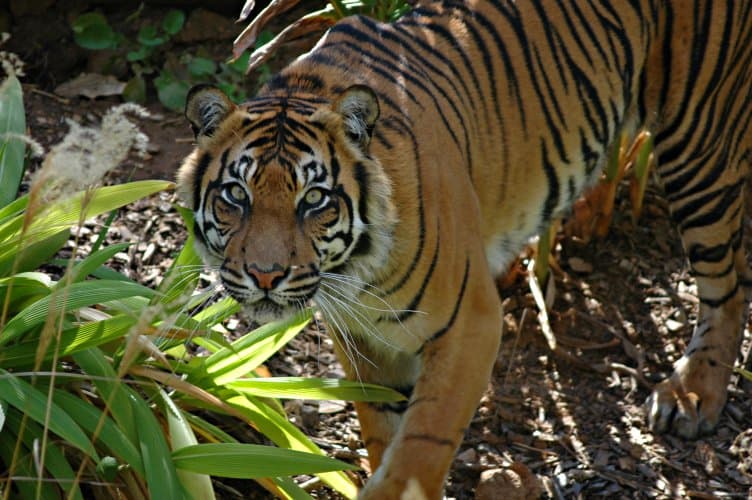
Adelaide Zoo
Adelaide Zoo, established in 1883, is Australia's second-oldest zoo and operates on a non-profit basis. Situated north of Adelaide's city center, it is managed by the Royal Zoological Society of South Australia and is a key institution for wildlife conservation and public education in the region.

Alice Springs Desert Park
The Alice Springs Desert Park is an environmental education facility and wildlife park located in Alice Springs, Northern Territory, Australia. It showcases native animals and plants representative of Central Australian desert environments, contributing to conservation and public education. The park offers visitors an immersive experience of the desert's ecosystems and their relationships with plants, animals, and people, with significant cultural importance to the local Arrernte people.

Alice Springs Reptile Centre
The Alice Springs Reptile Centre is a privately owned reptile center and environmental education facility in Alice Springs, Northern Territory, Australia. It houses the largest collection of reptiles in the Northern Territory and is a popular tourist destination, especially for children, focusing on indigenous species. The center also operates as a snake call service, removing venomous snakes from local properties.