
Wrocław Zoo
The Wrocław Zoo, established in 1865, is Poland's oldest and largest zoo by animal and species count. Located in Wrocław, it covers 33 hectares and houses approximately 10,500 animals across 1,132 species, making it the third-largest zoological garden globally by species diversity. The zoo is a prominent European destination, known for its Africarium and significant conservation efforts.
Key Facts
- ›Founded in 1865 as the Breslau Zoological Garden.
- ›Covers 33 hectares (82 acres) near downtown Wrocław.
- ›Home to approximately 10,500 animals representing 1,132 species.
- ›The third-largest zoological garden in the world by number of animal species.
- ›The most visited zoo in Poland and the fifth most visited in Europe.
- ›Features the Africarium, an oceanarium dedicated to African fauna.

Africarium, Madagascar Pavilion, Odrarium, Terrarium
Malayan Tapir, Hippopotamus Anton, Amazonian Manatee Muschi, Pygmy Hippopotamus, Philippine Scops Owl, Sulawesi Bear Cuscus
- Initiatives and support programmes aimed at rescuing endangered species
- Breeding programs for Pygmy hippopotamus, Philippine scops owl, reticulated giraffe, and Sulawesi bear cuscus
About Wrocław Zoo
The Wrocław Zoological Garden, commonly known as Wrocław Zoo, is situated on Wróblewski Street in Wrocław, Poland. It holds the distinction of being Poland's oldest zoo, initially established in 1865 as the Breslau Zoological Garden during the city's Prussian era. Despite periods of closure and destruction during the World Wars, the zoo was rebuilt and reopened in 1948, subsequently becoming the largest zoo in Poland in terms of both animal and species numbers.
Covering 33 hectares (82 acres) near the city center, Wrocław Zoo is a significant zoological institution, housing approximately 10,500 animals that represent around 1,132 species. This diverse collection ranks it as the third-largest zoological garden globally based on the number of species it exhibits. The zoo is a highly visited attraction, recognized as the most popular in Poland and the fifth most visited in Europe, holding accreditations from the European Association of Zoos and Aquaria (EAZA) and the World Association of Zoos and Aquariums (WAZA).
History and Development
The origins of the zoo trace back to 1863 when local community initiatives led to the decision to establish a zoological garden in Breslau. The city authorities allocated 9 hectares by the Oder River for this purpose, and the grand opening occurred on July 10, 1865. Initially, it housed 452 animals across 50 species, including wolves, monkeys, bears, and big cats. Early popular attractions included an African elephant named Theodor, acquired in 1873 from the London Zoo, and later, chimpanzee Moritz and gorilla Pussy.
Significant breeding successes were achieved early on, such as the birth of the world's first Malayan tapir and a hippopotamus named Anton in the interwar period. The zoo also housed Muschi, Europe's only Amazonian manatee, which lived for nine years. Following World War I, economic crises led to the zoo's closure and the transfer of animals to other German zoos. It reopened in 1927 but was again devastated during World War II, with most animals lost. Post-war reconstruction efforts, spearheaded by zoologist Stanisław Kulczyński and the first Polish director Karol Łukaszewicz, led to its ceremonial reopening on July 18, 1948. Expansion in subsequent years increased its capacity.
In the latter half of the 20th century, the zoo gained widespread popularity through the television show "Z kamerą wśród zwierząt." Under the directorship of Radosław Ratajszczak, initiated in 2006, the zoo underwent extensive modernization, including the construction of new enclosures and the highly successful Africarium, which opened in 2014. This oceanarium, dedicated to African fauna, significantly boosted visitor numbers.
Attractions and Conservation
Beyond the Africarium, the Wrocław Zoo features attractions such as the Madagascar Pavilion, Odrarium, Terrarium, and a Children's Zoo. It maintains a collection of rare and exotic species, including manatees, okapis, and various primate and turtle species. The zoo is deeply committed to conservation, actively participating in rescue programs for endangered species and conducting educational activities. Notable breeding successes in recent years include the birth of pygmy hippopotamuses, a unique Philippine scops owl outside its native country, reticulated giraffes, and the world's first Sulawesi bear cuscus.
Directors
The zoo has been led by a series of directors since its founding. Early directors included Franz Schlegel and Hermann Stechmann. Notable later directors include Karol Łukaszewicz, Antoni Gucwiński, who hosted the popular television program, and Radosław Ratajszczak, under whom significant development occurred. The zoo's leadership has continued to evolve, with current and recent directors managing its ongoing operations and future development.
Source: Wikipedia ↗
Frequently Asked Questions
When was the Wrocław Zoo established?
The Wrocław Zoo was established in 1865 as the Breslau Zoological Garden. Its grand opening ceremony took place on July 10, 1865.
What is the size of the Wrocław Zoo?
The zoo covers an area of 33 hectares, which is equivalent to 82 acres. This size allows for a diverse range of habitats and enclosures for its animals.
How many animals and species are at the Wrocław Zoo?
The Wrocław Zoo is home to approximately 10,500 animals, representing about 1,132 different species. This extensive collection makes it one of the largest zoos globally in terms of species diversity.
What are the most notable attractions at the Wrocław Zoo?
A significant attraction is the Africarium, a unique oceanarium focused on African fauna, featuring species like rays, sharks, and crocodiles. Other notable areas include the Madagascar Pavilion, Terrarium, and Odrarium.
Does the Wrocław Zoo have a significant conservation focus?
Yes, the Wrocław Zoo actively participates in initiatives and support programs aimed at rescuing endangered species. They also send zoo workers on rescue missions and run educational programs focused on conservation.
Has the Wrocław Zoo experienced any major historical disruptions?
The zoo was shut down and reopened multiple times due to the World Wars. During World War II, most of its animals were killed or sent to other zoos, and it was subsequently rebuilt and reopened in 1948.
Related Zoos
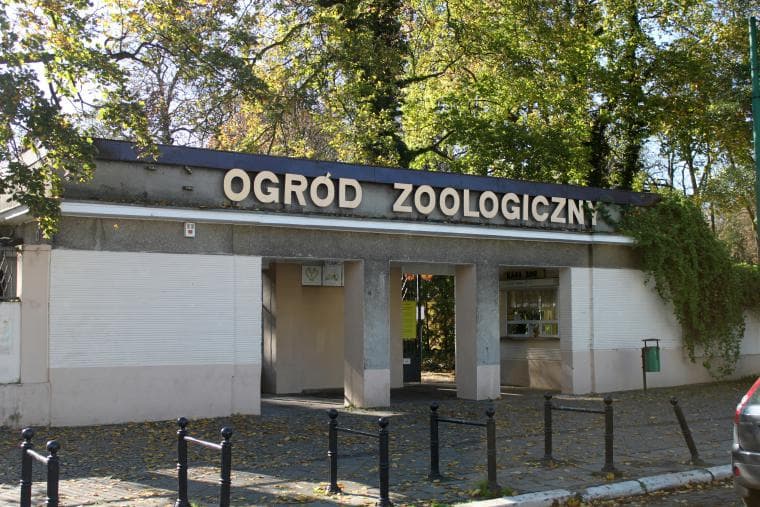
Old Zoo
The Poznań Old Zoo is one of Poland's oldest zoological gardens, established in 1874 in the city of Poznań. Recognized as a cultural heritage site, it has a rich history dating back to a small collection of animals gifted in the 1870s. It forms part of the larger Poznań Zoological Garden complex alongside the newer zoo opened in 1974.

Ogród Zoologiczny w Łodzi
The Łódź Zoo, officially known as Miejski Ogród Zoologiczny w Łodzi, is a significant zoological garden located in Łódź, Poland. Established in 1938, it has grown to become a notable institution for animal conservation and public education, recognized for its diverse collection and modern facilities, including the award-winning Orientarium.
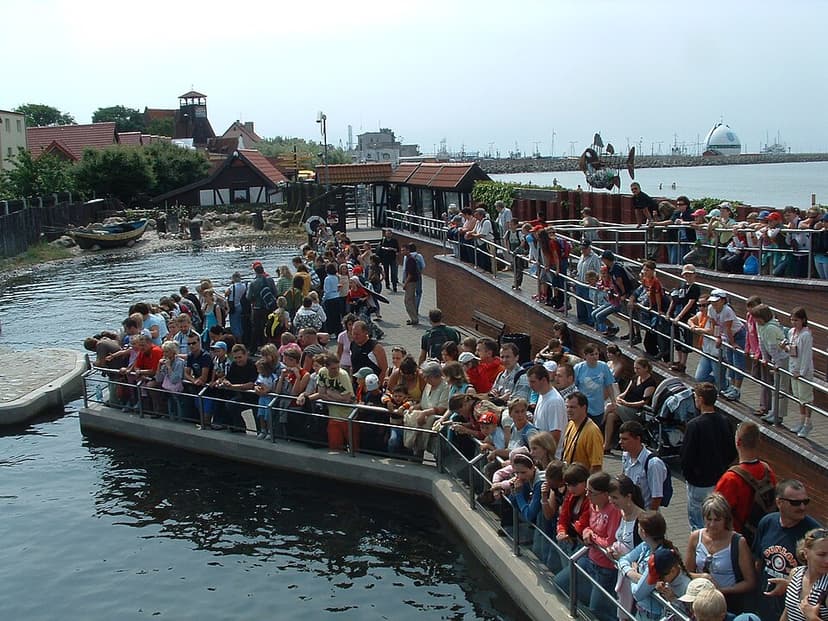
Fokarium na Helu
The Seal Sanctuary in Hel (Fokarium w Helu) is a public aquarium located in Hel, Poland, on the Baltic Sea coast. It is primarily dedicated to the protection of Baltic seals and the promotion of knowledge about them and environmental protection, rather than being a commercial zoo or circus.