
Old Zoo
The Poznań Old Zoo is one of Poland's oldest zoological gardens, established in 1874 in the city of Poznań. Recognized as a cultural heritage site, it has a rich history dating back to a small collection of animals gifted in the 1870s. It forms part of the larger Poznań Zoological Garden complex alongside the newer zoo opened in 1974.
Key Facts
- ›Founded in 1874, making it one of Poland's oldest zoological gardens.
- ›Located in Poznań, Greater Poland Voivodeship, Poland.
- ›Included on the register of objects of cultural heritage in 1978.
- ›Began with a small collection of animals gifted to a restaurant owner in the early 1870s.
- ›In 1880, the collection comprised 250 animals representing 59 species.
- ›In 1909, housed 900 animals of over 400 species, attracting 250,000 visitors annually.
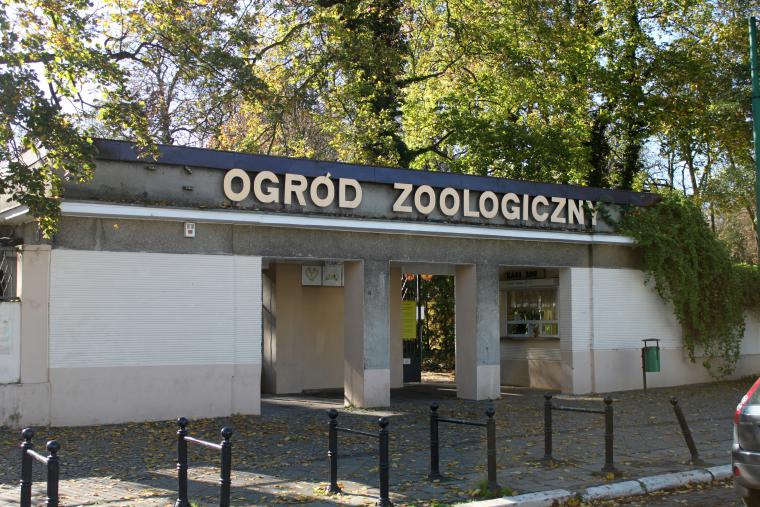
Alpinarium, Elephants' Pavilion, Aviary
Indian Elephants, Emu, Condor, African Wild Ass, Lions, Bengal Tiger, Leopard, Malayan Tapir, Polar Bears, California Sea Lions, European Bisons, Koniks, Wolves, Deer, Hippopotamus, Kinga, Gibbon, White Rhinoceros, Red Pandas, Snow Leopards, Vicunas, Bearded Vultures, Dalmatian Pelicans, Pygmy Slow Lorises, Eurasian Lynx, Eurasian Eagle Owl, Golden Eagle, Red-Handed Tamarins, Cotton-Top Tamarins
- European Endangered Species Programmes (EEP) for red pandas, snow leopards, vicunas, and bearded vultures
- EEP studbooks for dalmatian pelicans and pygmy slow lorises
- Conservation programs for Eurasian lynx, Eurasian eagle owl, and golden eagle
- Conservation programs for European Bison
About Old Zoo
Poznań Old Zoo
The Poznań Old Zoo (Stare Zoo w Poznaniu) is one of Poland's most historic zoological gardens, situated in the city of Poznań. Established in 1874, it holds the distinction of being one of the oldest continuously operating zoological gardens in the country. Its origins trace back to the early 1870s when a small collection of animals, gifted as a birthday present, formed the nucleus of what would become a significant institution.
History and Development
The zoo's foundation was a collaborative effort, with local residents contributing animals to an initial menagerie. This collection was formally organized into "The Zoological Garden" in 1874, with the Zoological Garden Society established the following year. By 1880, the zoo housed 250 animals from 59 species. The late 19th century saw significant development under the guidance of Robert Jaeckel and Stanisław Zieliński, with the construction of the Alpinarium, Elephants' Pavilion, and aviaries, and an expansion of its grounds to 5.24 hectares. By 1909, the collection had grown to 900 animals representing over 400 species, drawing 250,000 visitors annually.
Post-War Reconstruction and Modernization
Following World War I, the zoo faced a period of decline, with its collection severely reduced. Under new leadership, efforts were made to rebuild and modernize. The zoo played a role in saving the European Bison from extinction through its participation in international conservation societies. World War II again devastated the zoo, leaving only a fraction of its animals and buildings intact. Post-war directors worked to restore the grounds and re-establish its animal collection, including the popular Indian elephant Kinga.
Conservation and Heritage
The Poznań Old Zoo, along with the New Zoo, forms part of the larger Poznań Zoological Garden complex. It is recognized as a cultural heritage site, a testament to its historical and architectural significance. The zoo actively participates in conservation efforts, including European Endangered Species Programmes for various species such as red pandas and snow leopards, and coordinates studbooks for dalmatian pelicans and pygmy slow lorises. In recent years, the zoo has seen renovations and the opening of new exhibits, including a fox sanctuary for rescued animals.
Source: Wikipedia ↗
Frequently Asked Questions
When was the Poznań Old Zoo established?
The Poznań Old Zoo traces its origins to 1871, with the formal establishment of the joint stock company "The Zoological Garden" in 1874. This makes it one of the oldest continuously operating zoological gardens in Poland.
What is the historical significance of the Poznań Old Zoo?
It is recognized as a unique example of a vivarium and was included on the register of objects of cultural heritage in 1978. Its history began with a menagerie of animals gifted to a restaurant owner, which gradually expanded into the zoo.
How has the size of the zoo's collection changed over time?
By 1880, the zoo had 250 animals representing 59 species. By 1909, this number grew significantly to 900 animals of over 400 species, attracting 250,000 visitors annually.
What major developments occurred at the zoo in the late 19th century?
During the tenure of Robert Jaeckel and Stanisław Zieliński, the zoo underwent major renovations and expansions. This included building the Alpinarium, the Elephants' Pavilion, and enclosures for deer and ostriches, as well as an aviary. The zoo's area also increased to 5.24 hectares.
What happened to the zoo after World War I?
After World War I, the zoo experienced a decline, with its collection reduced to 243 animals of 74 species. New leadership worked to rebuild and modernize the zoo, with efforts by director Kazimierz Szczerkowski restoring it to its former glory and initiating conservation programs.
How did World War II impact the zoo?
Before World War II, the zoo housed 1184 animals of 300 species. However, only 175 animals survived the war, and many zoo buildings were destroyed. Post-war, efforts were made to transfer animals from other locations and renovate the garden.
What notable conservation programs is the Poznań Zoological Garden involved in?
The Poznań Zoological Garden participates in European Endangered Species Programmes for red pandas, snow leopards, vicunas, and bearded vultures. It also coordinates studbooks for dalmatian pelicans and pygmy slow lorises, and has been involved in programs for Eurasian lynx, Eurasian eagle owl, and golden eagle.
Related Zoos
Wrocław Zoo
The Wrocław Zoo, established in 1865, is Poland's oldest and largest zoo by animal and species count. Located in Wrocław, it covers 33 hectares and houses approximately 10,500 animals across 1,132 species, making it the third-largest zoological garden globally by species diversity. The zoo is a prominent European destination, known for its Africarium and significant conservation efforts.

Kraków Zoo
The Kraków Zoo, established in 1929, is a significant zoological institution in Kraków, Poland, housing over 1,500 animals across approximately 260 species. It plays a role in European and global zoo associations, contributing to conservation through its breeding programs for various species.

Ogród Zoologiczny w Łodzi
The Łódź Zoo, officially known as Miejski Ogród Zoologiczny w Łodzi, is a significant zoological garden located in Łódź, Poland. Established in 1938, it has grown to become a notable institution for animal conservation and public education, recognized for its diverse collection and modern facilities, including the award-winning Orientarium.