
Yangon Zoo
Yangon Zoo is the oldest and second-largest zoological garden in Myanmar, located north of downtown Yangon. Established in 1901 as the Victoria Memorial Park and Zoological Gardens, it has evolved into a significant recreational space that includes a museum of natural history, an aquarium, and an amusement park, drawing millions of visitors annually.
Key Facts
- ›Established in 1901 as the Victoria Memorial Park and Zoological Gardens.
- ›Covers an area of approximately 69.25 acres (28.02 ha).
- ›Houses nearly 200 species and around 1,100 individual animals.
- ›Features a museum of natural history, an aquarium, and an amusement park.
- ›Operated by a private firm since April 2011.
- ›Drew approximately 2.2 million visitors annually in recent years.
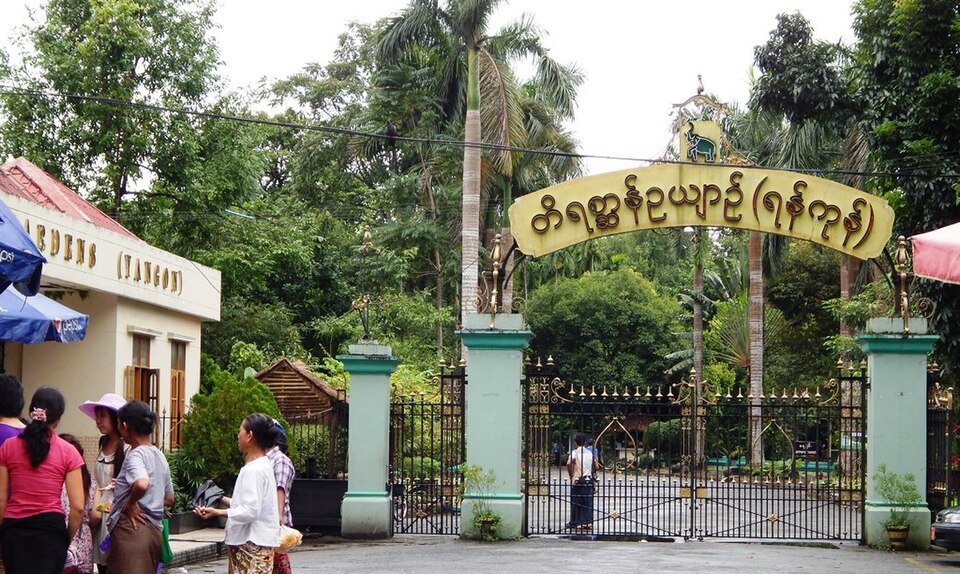
Museum of Natural History, Aquarium, Amusement Park
White Elephant of King Thibaw
Breeding Programs For Endangered Species
About Yangon Zoo
Yangon Zoo stands as the oldest and second-largest zoological garden in Myanmar, situated immediately north of downtown Yangon. Originally conceived as a public donation project in connection with Phayre's Museum, construction at the current site near Kandawgyi Lake commenced in 1901. The zoological gardens were formally established as the Victoria Memorial Park and Zoological Gardens in honor of Queen Victoria, with the white elephant of King Thibaw being a significant initial attraction.
History and Development
The zoo's legal recognition was solidified with the passing of the Victoria Memorial Park and Zoological Gardens Act in 1908. It experienced vandalism during World War II. In 1951, the government renamed it "Rangoon Zoological Gardens and Parks." The zoo's footprint expanded significantly in 1962 to its current size of approximately 69.25 acres. Subsequent additions enhanced its offerings, including a museum of natural history inaugurated on May 4, 1966, an amusement park on October 7, 1997, and an aquarium on October 1, 1998. The aquarium is managed by the Department of Fisheries.
Attractions and Collection
Yangon Zoo currently houses a diverse collection, including 145 species of land animals, with notable endangered species such as the tiger, takin, Asian elephant, Burmese large tortoise, great hornbill, marsh crocodile, and Eld's deer. In 2000, the zoo's land animal population was recorded at 1203, decreasing to 1100 by 2006. Beyond its fauna, the zoo boasts extensive flora, with over 300 species totaling more than 15,000 plants noted in 2000. The Natural History Museum showcases taxidermy specimens, particularly rare Burmese fauna. Animal performance shows are held on weekends and public holidays during the fall and summer seasons. The aquarium, opened in 1998, is recognized as the country's first large-scale aquarium.
Operations and Visitor Information
The zoo was managed by the Forest Department under the Ministry of Forestry until April 2011, after which a private firm took over its operation. Between 2003 and 2006, a renovation program costing MMK600 million (approximately US$600,000) was undertaken, leading to an increase in visitor numbers from 1.1 million in 2003-2004 to 2.2 million in 2005-2006. Yangon Zoo is open daily from 8 AM to 6 PM. In February 2008, a substantial number of animals, including elephants, monkeys, rhinos, and bears, were relocated to the Naypyidaw Zoo.
Source: Wikipedia ↗
Frequently Asked Questions
When was Yangon Zoo established?
The establishment of the zoological gardens began in 1901, with construction starting at the present site. It was formally opened as the Victoria Memorial Park and Zoological Gardens.
What is the size of Yangon Zoo?
Yangon Zoo covers an area of 69.25 acres, which is approximately 28.02 hectares. This makes it the second largest zoo in Myanmar.
What are the main attractions at Yangon Zoo besides animals?
In addition to its animal collection, Yangon Zoo features a museum of natural history, a large-scale aquarium, and an amusement park with various rides.
How many species and animals does Yangon Zoo house?
The zoo is home to nearly 200 species of animals. In recent years, the total number of individual animals has been around 1,100.
What is the history of the zoo's name?
Initially opened as the Victoria Memorial Park and Zoological Gardens, its name was changed to "Rangoon Zoological Gardens and Parks" by the Burmese government in 1951.
Does Yangon Zoo have conservation programs?
The zoo houses endangered species, including tigers, takin, Asian elephants, and Burmese large tortoises, indicating a role in the preservation of native wildlife.
Related Zoos

Yadanabon Zoological Gardens
Yadanabon Zoological Gardens is a zoo located in Mandalay, Myanmar, situated at the foot of Mandalay Hill. It houses nearly 300 animals and is particularly recognized for its significant role in the conservation program for the highly threatened Burmese roofed turtle.

Naypyidaw Zoological Gardens
Naypyidaw Zoological Gardens, located in Myanmar's capital city, is the largest zoo in Southeast Asia. Established in 2008, it houses a diverse collection of animals transferred from Yangon Zoological Gardens, with a notable presence of various mammals, birds, and reptiles.

Audubon Zoo
Audubon Zoo, located in New Orleans, Louisiana, is a significant zoological park and a part of the Audubon Nature Institute. It is renowned for its diverse animal collections, engaging exhibits like the "Jaguar Jungle" and "African Savanna," and its historical presence dating back to the 1884 World's Fair. The zoo plays a vital role in conservation and education, serving as a popular destination for both locals and tourists.