
Audubon Zoo
Audubon Zoo, located in New Orleans, Louisiana, is a significant zoological park and a part of the Audubon Nature Institute. It is renowned for its diverse animal collections, engaging exhibits like the "Jaguar Jungle" and "African Savanna," and its historical presence dating back to the 1884 World's Fair. The zoo plays a vital role in conservation and education, serving as a popular destination for both locals and tourists.
Key Facts
- ›Located in New Orleans, Louisiana, as part of the Audubon Nature Institute.
- ›Covers 58 acres and is home to over 2,000 animals.
- ›Its history traces back to the 1884 World Cotton Centennial Exhibition, with the current zoo developing in the early 20th century.
- ›Features notable exhibits such as the "Jaguar Jungle," "African Savanna," and "Louisiana Swamp."
- ›The white alligator, a result of leucism, became a symbol of the zoo after its discovery in 1987.
- ›The zoo demonstrated strong disaster preparedness during Hurricane Katrina, with minimal animal loss and damage.

Asian Domain, World of Primates, African Savanna, South American Pampas, Jaguar Jungle, Audubon Aviary, Louisiana Swamp, Reptile Encounter, Sea Lion Theater
White Alligator, Sumatran Orangutans, Amur Leopards, Western Lowland Gorillas, Jaguar
Species Survival Center Management, Coastal Wildlife Network
About Audubon Zoo
Audubon Zoo, situated in New Orleans, Louisiana, is a prominent zoological park and a key component of the Audubon Nature Institute. The zoo's origins trace back to the 1884 World Cotton Centennial Exhibition, with its current form developing in the early 20th century. It spans 58 acres and houses over 2,000 animals, making it a significant institution for wildlife display and conservation.
History and Development
The site has a long history of animal exhibits, but the modern zoo began to take shape with additions like a flight cage in 1916 and further development in the 1920s, including a sea lion pool. During the Great Depression, the Works Progress Administration undertook a major expansion, constructing new enclosures and the distinctive "Monkey Hill." By the early 1970s, the zoo faced a state of disrepair, leading to a city-wide effort and voter approval in 1975 to fund a comprehensive rebuilding and expansion, increasing its grounds to 50 acres.
Notable Features and Conservation
Audubon Zoo is recognized for its diverse and immersive exhibits, including the "Asian Domain," "World of Primates," "African Savanna," "South American Pampas," and the "Jaguar Jungle," which is themed after Mayan ruins. The "Louisiana Swamp" exhibit showcases native wildlife, and the "Reptile Encounter" features residents like the Komodo dragon. A notable event was the discovery of leucistic (white) alligators in 1987, which became a symbol for the zoo. The zoo demonstrated remarkable resilience during Hurricane Katrina, with extensive disaster planning minimizing animal loss and damage, allowing for its reopening.
Audubon Nature Institute
As part of the Audubon Nature Institute, Audubon Zoo is connected to other facilities such as the Audubon Aquarium, Audubon Louisiana Nature Center, and the Freeport-McMoran Species Survival Center, contributing to a broader mission of conservation, education, and scientific research.
Source: Wikipedia ↗
Frequently Asked Questions
When was Audubon Zoo founded?
While the site has housed animal exhibits since the 1884 World's Fair, the current incarnation of Audubon Zoo was developed in the early 20th century, with significant expansions and rebuilding efforts occurring throughout its history, notably after a voter-approved measure in 1975.
What is the size of Audubon Zoo?
Audubon Zoo spans 58 acres (23 ha) and is home to more than 2,000 animals, making it a substantial zoological facility.
What are some of the main attractions at Audubon Zoo?
Key attractions include the "Asian Domain" with Sumatran orangutans and Amur leopards, the "World of Primates" showcasing gorillas and lemurs, the "African Savanna" with giraffes and lions, and the "Jaguar Jungle" themed after Mayan temples. The "Louisiana Swamp" exhibit highlights native Louisiana wildlife.
Did Hurricane Katrina significantly impact Audubon Zoo?
Audubon Zoo sustained only minor damage during Hurricane Katrina due to extensive disaster planning and its location on high ground. Most animals survived, and the zoo reopened for Thanksgiving weekend in 2005, initially on a limited schedule.
What is the significance of the white alligator at Audubon Zoo?
In 1987, an alligator nest yielded 18 white-hided babies due to a rare natural mutation called leucism. These white alligators garnered significant attention and became a symbol of the zoo.
What is Monkey Hill?
Monkey Hill is an artificial hill built during the Great Depression by the Works Progress Administration as a children's attraction. It was a beloved landmark that has undergone renovations, including the addition of a waterfall and climbing structures.
Related Zoos
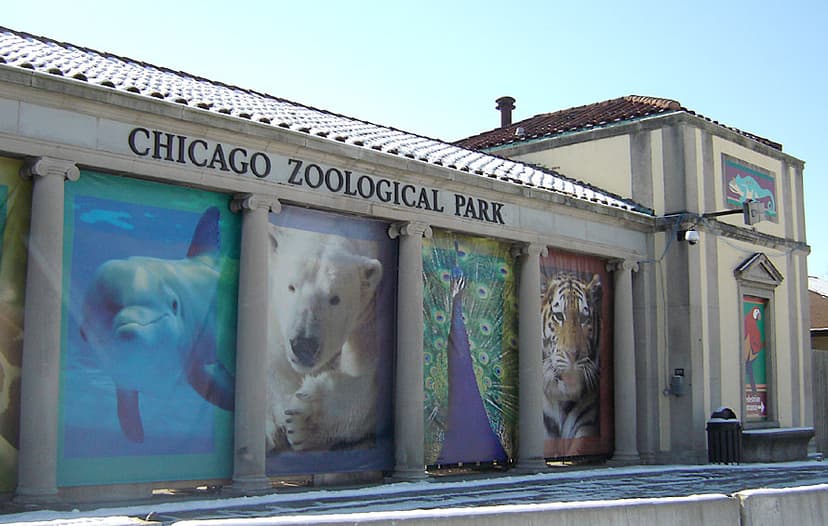
Brookfield Zoo Chicago
Brookfield Zoo Chicago, formerly known as Brookfield Zoo, is a prominent zoological park located in Brookfield, Illinois, and is the largest zoo in the Chicago metropolitan area. It is recognized internationally for its innovative use of moats and ditches instead of traditional cages and for being the first U.S. zoo to exhibit giant pandas. The zoo plays a significant role in animal conservation and public education.

Brevard Zoo
Brevard Zoo is a 75-acre nonprofit zoological organization located in Melbourne, Florida, accredited by the Association of Zoos and Aquariums. It is home to over 900 animals representing more than 170 species and is known for its unique animal feeding experiences, kayak tours, and aerial ropes course, offering some attractions not found elsewhere in the country.
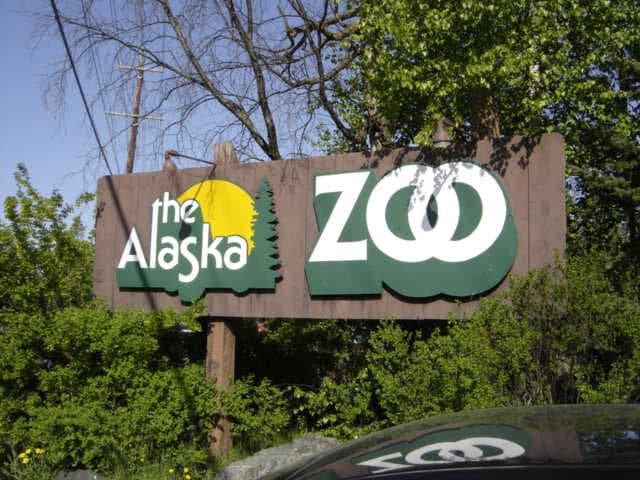
Alaska Zoo
The Alaska Zoo, located in Anchorage, Alaska, is a popular attraction focused on showcasing animals native to the state alongside exotic species. It plays a significant role in education, research, wildlife conservation, and animal rehabilitation, often housing orphaned or injured animals.