
Cave Bear
Mammal, Carnivora, Ursidae·Omnivore (primarily herbivorous)
The cave bear (Ursus spelaeus) was a prehistoric species of bear that inhabited Europe and Asia during the Pleistocene epoch, going extinct approximately 24,000 years ago. Named for the prevalence of their remains found in caves, they are believed to have spent more time in these sheltered environments than modern bears, often using them for hibernation. Distinctive for their large size and a predominantly herbivorous diet, cave bears displayed significant variability in size, morphology, and genetics.
Key Facts
- ›Lived in Europe and Asia during the Pleistocene epoch.
- ›Became extinct around 24,000 years ago.
- ›Their remains are predominantly found in caves, suggesting heavy use of these for shelter and hibernation.
- ›Largely herbivorous diet, with adaptations for processing tough vegetation.
- ›Showed significant size, morphological, and genetic variability, with some considering Late Pleistocene populations a species complex.
- ›Believed to have descended from Ursus etruscus, diverging from the brown bear lineage around 1.2–1.5 million years ago.

Limestone Caves, Mountainous Areas, Forested Or Forest-Edged Terrains
Europe, Asia
Hibernation, Dietary Flexibility
Competition For Caves With Humans, Human Hunting, Habitat Loss
Pack-Hunting Wolves, Cave Hyenas, Cave Lions
About Cave Bear
Cave Bear (Ursus spelaeus)
The cave bear (Ursus spelaeus) was a prehistoric species of bear that inhabited Europe and Asia during the Pleistocene epoch, becoming extinct approximately 24,000 years ago during the Last Glacial Maximum. Their common name and scientific designation stem from the frequent discovery of their remains within caves, which experts believe they utilized more extensively than modern bears, particularly for hibernation.
Evolutionary Context and Physical Characteristics
Cave bears are thought to have descended from the Early Pleistocene species Ursus etruscus, diverging from the lineage that would become brown bears around 1.2 to 1.5 million years ago. The earliest remains attributed to the cave bear lineage are assigned to Ursus deningeri. Cave bears were substantial animals, comparable in size or larger than the biggest modern bears, with males typically weighing between 350 and 600 kg. They possessed a broad, domed skull, a steep forehead, and a stout body with long thighs and inward-turning feet. Morphological and genetic studies reveal significant variability within the species, with Late Pleistocene populations sometimes considered a complex of up to six distinct species.
Diet and Behavior
Dental microwear and isotopic analysis strongly suggest that cave bears were primarily herbivorous, with adaptations like the molarization of their premolars aiding in the processing of tough vegetation. However, evidence also points to occasional omnivory, including the consumption of bone, insects, and meat, particularly in the period leading up to hibernation. Their foraging habits varied regionally, reflecting local food availability. Cave bears are known to have used caves for hibernation, a behavior that may have made them vulnerable to competition with humans for these essential shelters.
Extinction and Human Interaction
The extinction of the cave bear is attributed to a combination of factors rather than a single cause. While initially thought to be primarily due to climate change and dietary specialization, more recent research emphasizes the role of human populations. As anatomically modern humans and Neanderthals expanded their range, they increasingly sought out caves for shelter, directly competing with cave bears for vital hibernation sites. This competition, coupled with potential hunting by humans, is believed to have significantly contributed to the species' decline and eventual disappearance. Evidence of human interaction with cave bears also includes modified remains used as tools and debated interpretations of possible prehistoric religious rites involving bear skulls and bones found in certain cave sites.
Source: Wikipedia ↗
Frequently Asked Questions
When did the cave bear go extinct?
The cave bear is estimated to have gone extinct approximately 24,000 years ago, during the Last Glacial Maximum. Reassessments of fossil evidence in 2019 support this timeframe.
What is the scientific name of the cave bear?
The scientific name for the cave bear is Ursus spelaeus. Johann Christian Rosenmüller gave the species its binomial name approximately twenty years after its initial description by Johann Friedrich Esper.
What did cave bears eat?
Cave bears are thought to have been almost entirely or exclusively herbivorous, with dental adaptations for processing tough vegetation. However, some evidence suggests occasional inclusion of animal protein, such as scavenging on carcasses or consuming bone and insects.
Where were cave bear remains most commonly found?
The common name 'cave bear' derives from their remains being found largely in caves. Many caves in Central Europe, such as those in Germany, Poland, and Romania, have yielded significant numbers of cave bear skeletons.
What is known about cave bear hibernation?
Cave bears are believed to have spent more time in caves than brown bears, frequently using them to hibernate during winter. Some evidence suggests they specialized in using caves for hibernation, which may have contributed to their extinction due to competition for suitable cave sites with humans.
What factors contributed to the extinction of the cave bear?
A complex set of factors likely led to the cave bear's extinction. These include a specialized diet, a relatively restricted geographical range, and competition with humans for cave habitats. While climate change was initially considered a major factor, recent studies suggest human hunting and competition played a more significant role.
Related Bears

Arctotherium
Arctotherium was an extinct genus of short-faced bears that inhabited Central and South America during the Late Pliocene and Late Pleistocene epochs. These bears migrated from North America following the formation of the Isthmus of Panama and diversified within the Neotropical realm, preferring open, arid, and semi-arid habitats. Arctotherium is notable for its range in size, from the gigantic Arctotherium angustidens to smaller species comparable to modern bears, and for its varied omnivorous diet, with some species leaning heavily towards carnivory and others towards herbivory.

Protarctos
Protarctos is an extinct genus of basal ursine bears that inhabited North America and Eurasia during the Pliocene and into the Early Pleistocene epochs. These bears were comparable in size to modern American and Asian black bears but are distinguished by their primitive dental morphology. Analysis of their teeth suggests a diet that included significant amounts of fermentable carbohydrates, leading to dental caries and the possibility of hibernation.
Hemicyoninae
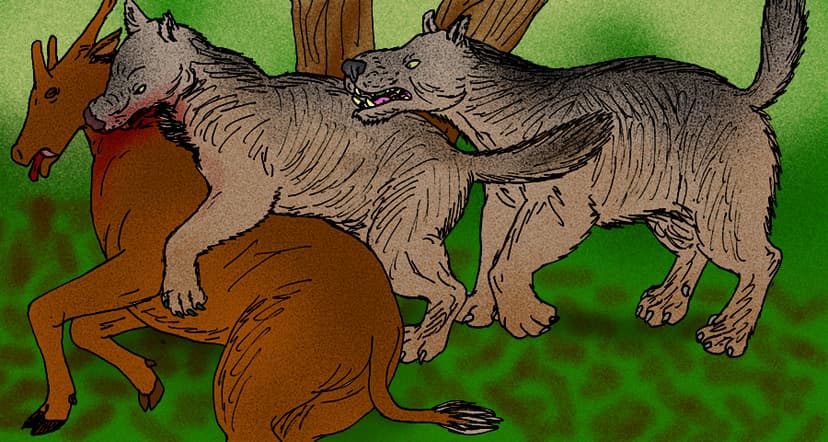
Hemicyoninae, often referred to as dog bears, were an extinct subfamily of Ursidae that existed from the Oligocene through the Miocene epochs. These bear-like carnivorans inhabited parts of Europe, North America, Africa, and Asia, and are notable for their long evolutionary history, spanning approximately 28.6 million years.