
Hemicyoninae
Mammal, Carnivora, Ursidae·carnivoran
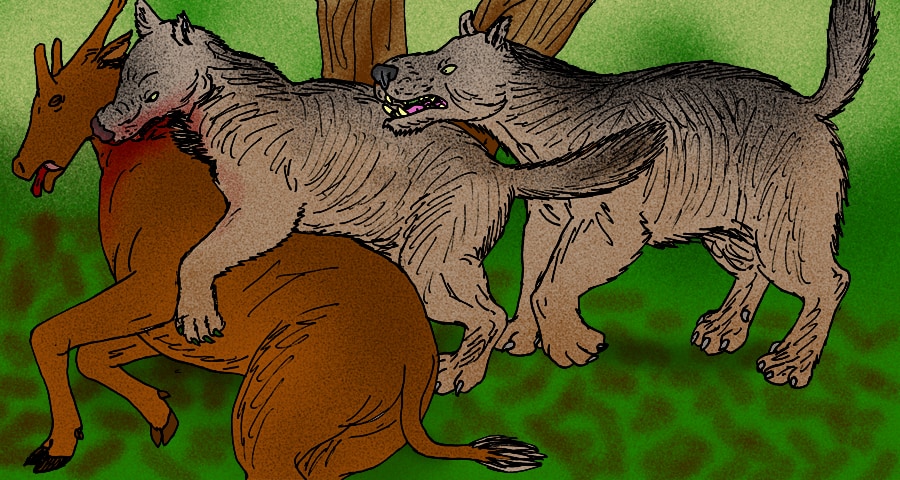
Hemicyoninae, often referred to as dog bears, were an extinct subfamily of Ursidae that existed from the Oligocene through the Miocene epochs. These bear-like carnivorans inhabited parts of Europe, North America, Africa, and Asia, and are notable for their long evolutionary history, spanning approximately 28.6 million years.
Key Facts
- ›Hemicyoninae is an extinct subfamily of Ursidae, also known as dog bears.
- ›They lived in Europe, North America, Africa, and Asia.
- ›Their existence spanned from the Oligocene to the Miocene epochs (33.9 to 5.3 million years ago).
- ›They are estimated to have existed for approximately 28.6 million years.
- ›Hemicyoninae is sometimes classified as a separate family, Hemicyonidae.
- ›The subfamily is divided into three tribes: Cephalogalini, Phoberocyonini, and Hemicyonini.
Europe, North America, Africa, Asia
About Hemicyoninae
Hemicyoninae: The Extinct Dog Bears
Hemicyoninae is the scientific designation for an extinct subfamily of Ursidae, commonly known as dog bears. The name itself, derived from Greek, signifies 'half dog,' hinting at their unique evolutionary position. These ancient carnivorans roamed across vast continents, including Europe, North America, Africa, and Asia, during a significant span of geological time.
Time and Range
The existence of Hemicyoninae is primarily placed within the Oligocene through Miocene epochs, a period stretching from approximately 33.9 to 5.3 million years ago. This places them as ancient relatives within the bear family, predating many of the bear species known today. Their evolutionary lineage persisted for an impressive duration, estimated at around 28.6 million years, showcasing a successful adaptation to their environments.
Classification and Diversity
While widely recognized as an extinct subfamily of ursids, the classification of Hemicyoninae has seen some discussion, with some researchers in the past considering them as a separate family, Hemicyonidae. The subfamily is further structured into three distinct tribes: Cephalogalini, Phoberocyonini, and Hemicyonini. These divisions reflect the evolutionary branching and diversification within this group of ancient bear-like mammals. It is important to note that while some genera were once thought to be hemicyonines, recent paleontological work has reclassified them, such as Agriotherium being identified as a crown-ursid.
Source: Wikipedia ↗
Frequently Asked Questions
What does the name Hemicyoninae mean?
The name Hemicyoninae literally translates to 'half dog' in Greek, derived from 'hemikyon' (ἡμικυων). This moniker reflects their bear-like yet somewhat dog-like characteristics.
When did Hemicyoninae live?
Hemicyoninae lived during the Oligocene through Miocene epochs. This period spans from approximately 33.9 million years ago to 5.3 million years ago.
Where were Hemicyoninae found geographically?
Fossil evidence indicates that Hemicyoninae inhabited a wide geographic range, including Europe, North America, Africa, and Asia.
How long did Hemicyoninae exist?
The subfamily Hemicyoninae existed for an estimated period of 28.6 million years, a significant duration within the Cenozoic era.
Are Hemicyoninae considered bears?
Yes, Hemicyoninae are classified as an extinct subfamily of Ursidae, the bear family. However, they are sometimes evaluated at a family level as Hemicyonidae.
What are the main divisions within Hemicyoninae?
The subfamily Hemicyoninae is organized into three distinct tribes: Cephalogalini, Phoberocyonini, and Hemicyonini.
Related Bears

Cave Bear
The cave bear (Ursus spelaeus) was a prehistoric species of bear that inhabited Europe and Asia during the Pleistocene epoch, going extinct approximately 24,000 years ago. Named for the prevalence of their remains found in caves, they are believed to have spent more time in these sheltered environments than modern bears, often using them for hibernation. Distinctive for their large size and a predominantly herbivorous diet, cave bears displayed significant variability in size, morphology, and genetics.
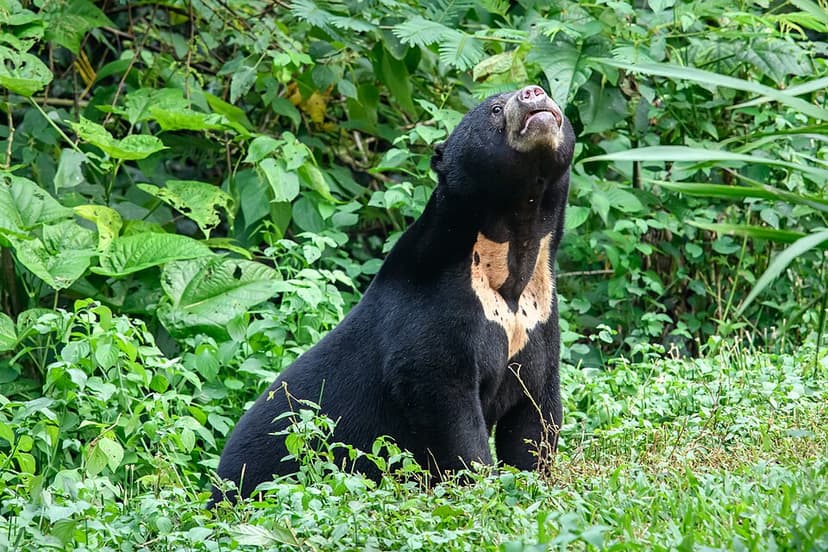
Helarctos
The sun bear (Helarctos malayanus) is the smallest bear species, native to the tropical forests of Southeast Asia. Distinctive for its short, jet-black fur and a characteristic orange to cream-colored chest patch, it is highly adapted for an arboreal lifestyle. Facing significant threats from deforestation and poaching, its population has seen a considerable decline.
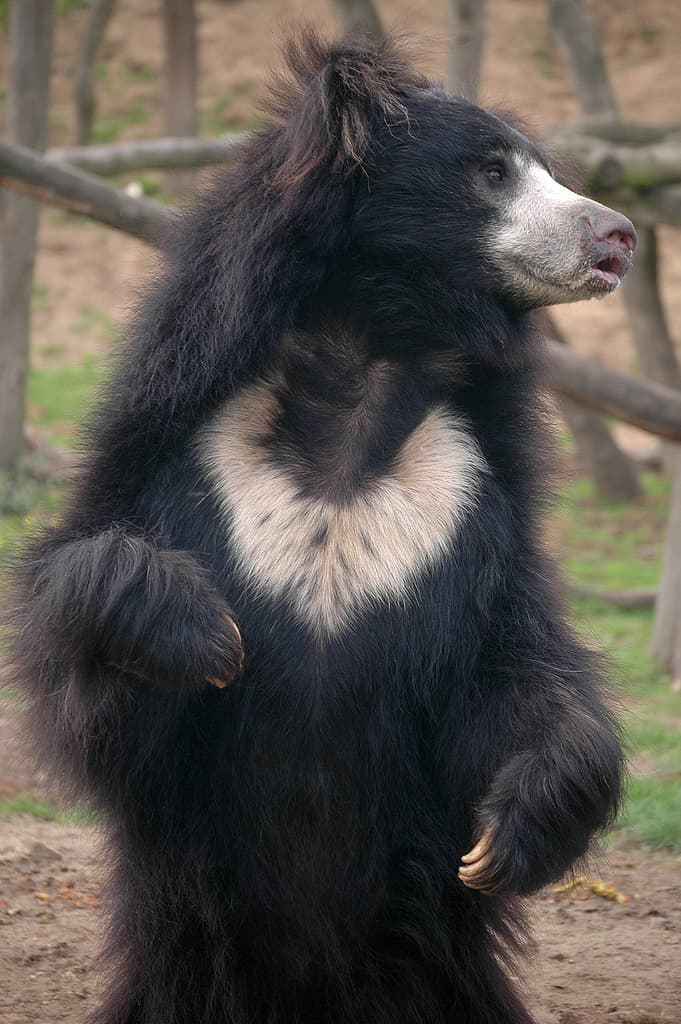
Melursus
The sloth bear (Melursus ursinus) is a distinctive myrmecophagous bear species native to the Indian subcontinent, known for its long shaggy fur, mane, and specialized snout for sucking up insects. It is listed as vulnerable due to habitat loss and degradation, and is the sole member of the genus Melursus.