
Ursus
Mammal, Carnivora, Ursidae·omnivore·Primarily solitary, with males and females expanding home ranges to find mates during the breeding season. Dominance hierarchies, if present, are loose and often established at food congregations or during the breeding season based on encounters.
Ursus is a genus of bears in the family Ursidae, encompassing several well-known species such as the brown bear, polar bear, American black bear, and Asian black bear. The genus name itself is derived from the Latin word for 'bear'. These mammals are characterized by their solitary nature, except during mating seasons and when females are raising cubs, and exhibit complex mating systems driven by sexual selection.
Key Facts
- ›The genus Ursus includes iconic bear species like the brown bear, polar bear, American black bear, and Asian black bear.
- ›Bears within this genus are primarily solitary mammals, expanding their home ranges during mating seasons to find partners.
- ›Mating systems are often polygynous, polyandrous, and promiscuous, with both males and females mating with multiple partners.
- ›Sexual dimorphism is common, leading to significant sexual conflict and competition between males for access to females.
- ›Male competition for mates includes physical contests, scramble competition, and sperm competition, with larger males often dominating contests.
- ›Females may employ counter-strategies like cryptic female choice and mating with multiple males to influence paternity.

Solitary, Polygynous, Polyandrous, Promiscuous, Sexually Dimorphic, Male-Biased Populations, Roaming Strategy
About Ursus
Ursus: The Genus of Bears
The genus Ursus represents a group of large mammals belonging to the family Ursidae, commonly known as bears. This genus is notable for including some of the most widely recognized bear species, such as the brown bear (Ursus arctos), the polar bear (Ursus maritimus), the American black bear (Ursus americanus), and the Asian black bear (Ursus thibetanus). The name 'Ursus' itself is derived directly from the Latin word for 'bear', highlighting its fundamental connection to these animals.
Mating and Social Behavior
Bears within the genus Ursus are predominantly solitary creatures, a trait that influences their social dynamics and mating systems. These systems are often characterized by polygyny, polyandry, and promiscuity, meaning that individuals commonly mate with more than one partner. This behavior is driven by sexual selection, with significant sexual conflict arising due to the sexual dimorphism observed in many species, where males and females differ in size and other physical characteristics.
During the breeding season, both male and female bears expand their home ranges considerably to increase the chances of locating potential mates. Males, in particular, adopt a roaming strategy, covering vast geographical areas. While not strictly territorial, males maintain large home ranges that may overlap with those of females, granting them access to multiple potential partners. Competition among males for access to receptive females is intense and can involve physical contests, scramble competition, and even sperm competition. The reproductive success of an individual bear is often positively correlated with its age and size, leading to fierce competition, especially among younger males striving to mature and challenge larger rivals.
Females play a crucial role in mate selection, often exhibiting counter-strategies to influence paternity. These can include cryptic female choice, where subtle mechanisms may favor certain sperm, and mating with multiple males, which can lead to multiple paternity within a single litter. The phenomenon of sexually selected infanticide, where males kill cubs sired by other males, is also observed and can serve to bring females back into estrus sooner or reduce competition.
Fossil Record
The genus Ursus also has a rich fossil history, with numerous extinct species documented. These include Ursus dolinensis, Ursus etruscus, Ursus minimus, and the complex group known as the cave bear, which encompasses species like Ursus deningeri, Ursus ingressus, Ursus kudarensis, Ursus spelaeus, and Ursus rossicus. The study of these fossil species provides valuable insights into the evolutionary lineage and diversification of modern bears.
Source: Wikipedia ↗
Frequently Asked Questions
What species are included in the genus Ursus?
The genus Ursus includes several well-known species of bears. These are the brown bear, the polar bear, the American black bear, and the Asian black bear.
What are the mating systems like in the genus Ursus?
The mating systems within the genus Ursus are primarily classified as polygynous, polyandrous, and promiscuous. Both males and females typically mate with more than one partner, employing various strategies to enhance their reproductive success.
How do male bears compete for mates?
Male bears compete for females through contest competition, scramble competition, and sperm competition. Larger males often engage in physical contests, while smaller or medium-sized males may increase their range to encounter more potential mates.
Do female bears have a role in selecting mates?
Yes, female choice is an important factor in mate selection within the genus Ursus. Females consider the cost of searching for a mate and the quality of the mate, and studies suggest they may have control over paternity through pre- and post-copulatory strategies.
What is sexually selected infanticide in bears?
Sexually selected infanticide is a strategy observed in male bears where they kill the offspring of other males. This behavior can improve their own reproductive success by allowing them to mate with the female sooner or by reducing competition for resources.
Are bears in the genus Ursus territorial?
Male bears within the genus Ursus are not typically considered territorial. However, they do maintain large home ranges that may overlap with those of females, allowing them access to multiple potential mates.
Related Bears
Helarctos
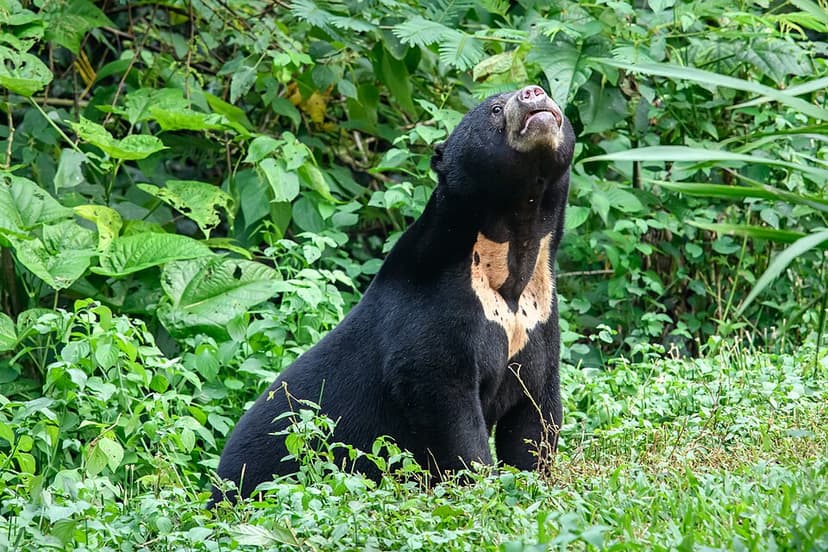
The sun bear (Helarctos malayanus) is the smallest bear species, native to the tropical forests of Southeast Asia. Distinctive for its short, jet-black fur and a characteristic orange to cream-colored chest patch, it is highly adapted for an arboreal lifestyle. Facing significant threats from deforestation and poaching, its population has seen a considerable decline.
Agriotherium
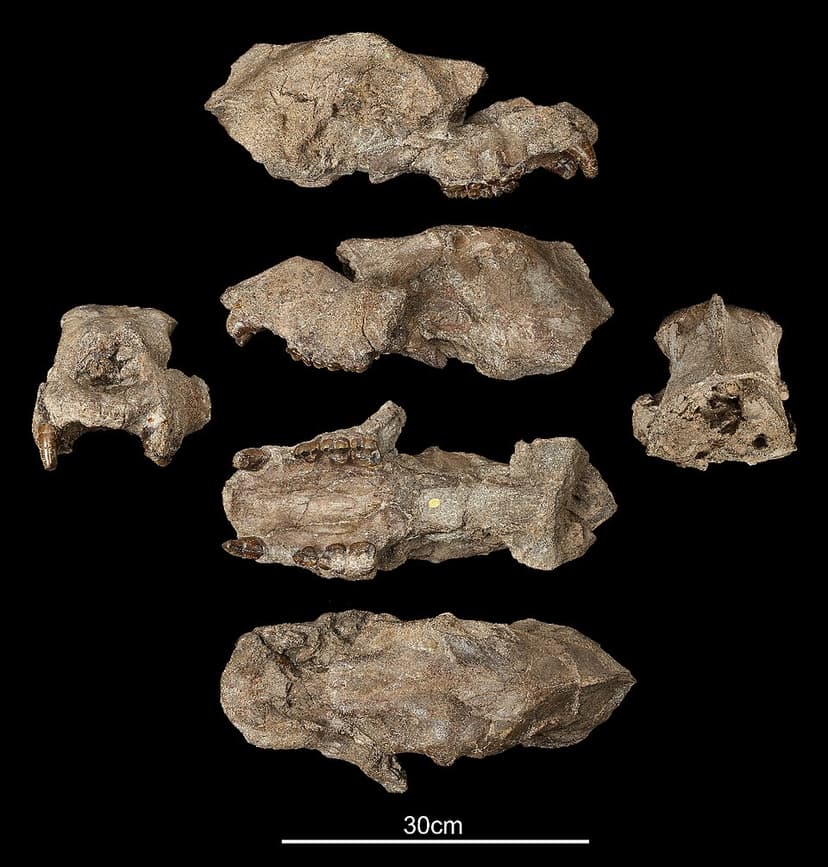
Agriotherium was an extinct genus of large bears that lived from the Miocene to the Pleistocene epochs. Fossils have been discovered across Eurasia and Africa, making it the only known bear genus to colonize sub-Saharan Africa. Distinctive for their longer legs and shorter faces compared to modern bears, Agriotherium likely possessed a powerful bite force, though its exact dietary habits are debated.

Indarctos
Indarctos is an extinct genus of bear that lived during the Miocene epoch, with fossils found across Africa, North America, and Eurasia. This genus existed for approximately 6.2 million years, with its earliest known specimens dating to around 11.1 million years ago and its youngest to about 5.3 million years ago. Indarctos is notable for its wide geographic distribution and the presence of distinct species, though many are known only from fragmentary remains, making detailed understanding challenging.