
Chthonerpeton braestrupi
South America·Brazil
Chthonerpeton braestrupi is a species of caecilian native to Brazil. It belongs to the family Typhlonectidae and is primarily found in aquatic and semi-aquatic environments.
Key Facts
- ›Endemic to Brazil.
- ›Inhabits rivers, swamps, and freshwater marshes.
- ›Also found in pastures and seasonally flooded agricultural lands.
- ›Belongs to the family Typhlonectidae.
- ›The species name honors Braestrup.

Rivers, Swamps, Freshwater Marshes, Intermittent Freshwater Marshes, Pastureland, Irrigated Land, Seasonally Flooded Agricultural Land, Canals, Ditches
About Chthonerpeton braestrupi
Chthonerpeton braestrupi is a species of caecilian that is native to Brazil. It belongs to the family Typhlonectidae, a group of limbless amphibians.
Natural Habitats
The natural habitats of Chthonerpeton braestrupi are diverse and include both permanent and temporary aquatic environments. These are rivers, swamps, and freshwater marshes. The species can also be found in intermittent freshwater marshes, pastureland, irrigated land, seasonally flooded agricultural land, as well as man-made water channels like canals and ditches. This broad habitat range suggests adaptability to various wetland and water-influenced terrestrial conditions within its native range.
Source: Wikipedia ↗
Frequently Asked Questions
Where is Chthonerpeton braestrupi found?
Chthonerpeton braestrupi is endemic to Brazil. Its natural habitats include rivers, swamps, freshwater marshes, and seasonally flooded agricultural lands.
What kind of environment does this caecilian live in?
This species thrives in a variety of aquatic and semi-aquatic settings. These include rivers, swamps, freshwater marshes, intermittent freshwater marshes, pastureland, irrigated land, seasonally flooded agricultural land, canals, and ditches.
What family does Chthonerpeton braestrupi belong to?
Chthonerpeton braestrupi is classified within the family Typhlonectidae.
Related Caecilian species

Atretochoana eiselti
Atretochoana eiselti is a unique species of lungless caecilian, distinguished by its large size, broad flat head, and fleshy dorsal fin. Originally known from only two preserved specimens, it was rediscovered in 2011 in Brazil, inhabiting aquatic environments. Its most striking feature is the complete absence of lungs, a rarity among tetrapods, leading to ongoing questions about its respiratory mechanisms.
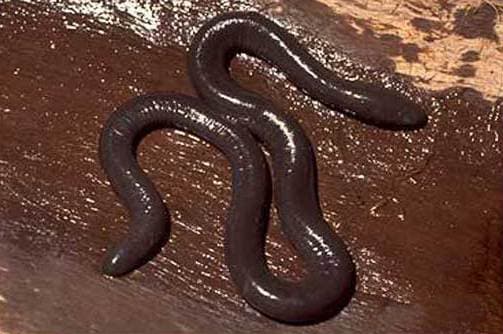
Chthonerpeton indistinctum
Chthonerpeton indistinctum is a limbless amphibian belonging to the Typhlonectidae family, native to northeastern Argentina, Paraguay, Uruguay, and southeastern Brazil. It is distinguished by its snakelike body with numerous transverse folds, sensory tentacles near its nostrils, and a unique white flecked coloration.

Chthonerpeton noctinectes
Chthonerpeton noctinectes is a species of caecilian found exclusively in Brazil. It inhabits a variety of wetland environments, including grasslands, swamps, and freshwater lakes. This species is characterized by its aquatic lifestyle and nocturnal activity.