
Chthonerpeton viviparum
South America·viviparous·Data Deficient·Joinville, eastern Santa Catarina State, Brazil
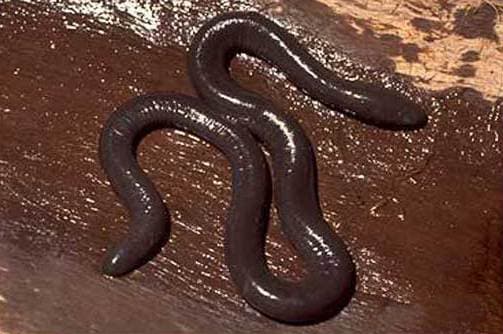
Chthonerpeton viviparum, also known as the Santa Catarina caecilian, is an aquatic species of caecilian found exclusively in the vicinity of Joinville, in eastern Santa Catarina State, Brazil. Its ecology and specific habitat requirements are not well-documented, but it is known to inhabit standing bodies of water.
Key Facts
- ›Endemic to southern Brazil, specifically the Joinville area.
- ›Belongs to the family Typhlonectidae.
- ›Primarily an aquatic species.
- ›Its ecology is poorly understood.
- ›May be threatened by agricultural and industrial water pollution.

Standing Bodies of Water
Santa Catarina Caecilian
Water Pollution From Agricultural Sources, Water Pollution From Industrial Sources
About Chthonerpeton viviparum
Chthonerpeton viviparum, commonly referred to as the Santa Catarina caecilian, is a species of caecilian native to a very restricted area in southern Brazil. It belongs to the family Typhlonectidae and is known only from the vicinity of Joinville, located in the eastern part of Santa Catarina State.
Habitat and Ecology
This species is characterized as aquatic, inhabiting standing bodies of water. However, detailed information regarding its specific ecological needs, behavior, and life cycle remains poorly understood. The limited data available suggests a potential vulnerability to environmental changes.
Conservation Concerns
A significant concern for Chthonerpeton viviparum is the threat posed by water pollution. Agricultural runoff and industrial waste are identified as potential sources of contamination that could negatively impact its survival. Due to the scarcity of information, its conservation status is considered Data Deficient.
Source: Wikipedia ↗
Frequently Asked Questions
What is Chthonerpeton viviparum?
Chthonerpeton viviparum is a species of caecilian, a limbless amphibian. It is a member of the family Typhlonectidae.
Where is Chthonerpeton viviparum found?
This species is endemic to southern Brazil, with its known distribution limited to the area around Joinville in eastern Santa Catarina State.
What kind of habitat does Chthonerpeton viviparum prefer?
Chthonerpeton viviparum is an aquatic species that lives in standing bodies of water. However, more specific details about its habitat preferences are not widely documented.
What are the threats to Chthonerpeton viviparum?
The species may be threatened by water pollution stemming from agricultural and industrial activities in its region. Further research is needed to fully understand its conservation needs.
Related Caecilian species

Chthonerpeton exile
Chthonerpeton exile is a species of caecilian found exclusively in Brazil, known only from a single, now-lost specimen. Its specific name, 'exile', reflects its slender and delicate body shape, and it is also known by the common name Bahia caecilian. Little is documented about its habitat or population status.

Atretochoana eiselti
Atretochoana eiselti is a unique species of lungless caecilian, distinguished by its large size, broad flat head, and fleshy dorsal fin. Originally known from only two preserved specimens, it was rediscovered in 2011 in Brazil, inhabiting aquatic environments. Its most striking feature is the complete absence of lungs, a rarity among tetrapods, leading to ongoing questions about its respiratory mechanisms.
Chthonerpeton indistinctum
Chthonerpeton indistinctum is a limbless amphibian belonging to the Typhlonectidae family, native to northeastern Argentina, Paraguay, Uruguay, and southeastern Brazil. It is distinguished by its snakelike body with numerous transverse folds, sensory tentacles near its nostrils, and a unique white flecked coloration.