
Atelocynus
Atelocynus·carnivore·solitary·Near Threatened
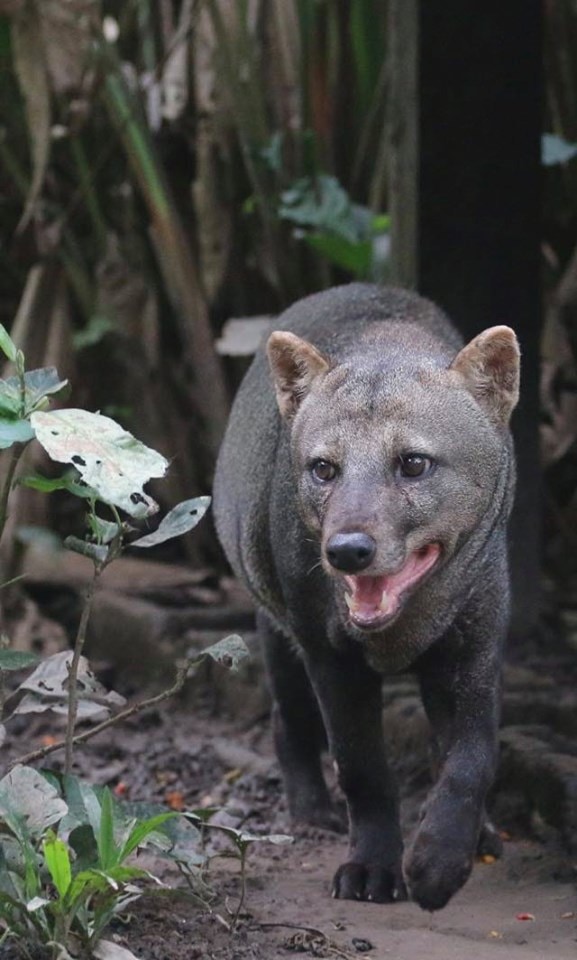
The short-eared dog (Atelocynus microtis) is a rare and elusive canid species found exclusively in the Amazonian basin of South America. It is the sole member of the genus Atelocynus and is distinguished by its short ears, partially webbed paws, and a preference for solitary life in undisturbed rainforest environments.
Key Facts
- ›The species is endemic to the Amazon rainforest in South America.
- ›It is the only species in the genus Atelocynus.
- ›Distinctive features include short ears, slender limbs, and partially webbed paws.
- ›Its diet primarily consists of fish, insects, and small mammals.
- ›Feral dogs and habitat loss are significant threats to its survival.
Small-Eared Dog, Short-Eared Fox, Small Eared Zorro, Cachorro-Do-Mato-De-Orelha-Curta, Zorro De Oreja Corta, Nomensarixi, UáLaca, Cuachi Yaguar, Quinamco, Achuj, Zorro Ojizarco, Zorro Sabanero, Zorro Negro
South America
Tropical Rainforest, Lowland Forest, Terra Firme Forest, Swamp Forest, Bamboo Stands, Cloud Forest
Dark Grey, Reddish-Grey, Navy Blue, Coffee Brown, Chestnut-Grey, Black
Short Ears, Slender Limbs, Fox-Like Muzzle, Bushy Tail, Partially Webbed Paws
About Atelocynus
The Short-Eared Dog (Atelocynus microtis)
The short-eared dog, scientifically known as Atelocynus microtis, is a rare and elusive canid species found exclusively within the Amazonian basin of South America. It holds the unique distinction of being the sole species assigned to the genus Atelocynus. This species is also recognized by several common names, including the small-eared dog, short-eared fox, and small eared zorro, along with various local names in indigenous languages such as Portuguese and Spanish.
Evolution and Habitat
Genetic studies indicate that the ancestors of the short-eared dog began diversifying between 3.9 and 3.5 million years ago, likely migrating from Central America into South America. These ancestors adapted to life in tropical rainforests, developing the specific morphological and anatomical features that characterize the species today. While it shares a superficial resemblance to the bush dog, its closest living relative is the crab-eating fox. The short-eared dog inhabits various parts of the Amazon rainforest, preferring areas with minimal human disturbance, including lowland forests, terra firme forests, swamp forests, bamboo stands, and cloud forests.
Appearance and Behavior
The short-eared dog is characterized by its short, slender limbs and short, rounded ears. It possesses a distinctive fox-like muzzle and a bushy tail. Notably, its paws are partially webbed, an adaptation that aids its semi-aquatic lifestyle. The fur ranges in color from dark to reddish-grey, with variations including navy blue, coffee brown, dark grey, or chestnut-grey to black. The coat is short and bristly, with a darker thorax that transitions to brighter, reddish tones on the abdomen.
This species exhibits behaviors uncommon among other canids. Females are approximately one-third larger than males. Excited males are known to spray musk produced by their tail glands. The short-eared dog prefers a solitary existence and actively avoids human contact and other animal interactions in its natural environment. Agitated males may raise the hairs on their backs. Information regarding its lifespan and gestation period remains unknown, though sexual maturity is not reached until approximately three years of age, which is relatively late compared to other canid species.
Diet and Conservation
As a carnivore, the short-eared dog's diet primarily consists of fish, insects, and small mammals. Investigations into its diet have provided detailed proportions of these food types.
The short-eared dog faces significant threats to its survival. Feral dogs pose a substantial danger by transmitting diseases like canine distemper and rabies to the wild population. Habitat loss, due to increasing human disturbance and the general destruction of tropical rainforests, also severely impacts the species. Consequently, the short-eared dog is currently classified as Near Threatened by the IUCN. Comprehensive ecological and genetic research on the species is notably lacking.
Source: Wikipedia ↗
Frequently Asked Questions
What is the short-eared dog?
The short-eared dog is a species of canid native to the Amazon rainforest. It is known for its elusive nature and is the only member of its genus, Atelocynus.
Where does the short-eared dog live?
This canid is found in the Amazon rainforest region of South America, including countries like Brazil, Bolivia, Peru, Colombia, and Ecuador. It prefers areas with minimal human disturbance within various rainforest environments.
What are the distinctive physical features of the short-eared dog?
The short-eared dog has short and rounded ears, short and slender limbs, and a distinctive fox-like muzzle. Its bushy tail and partially webbed paws are also notable characteristics.
What does the short-eared dog eat?
It is primarily a carnivore. Its diet is mainly composed of fish, insects, and small mammals, according to investigations into its feeding habits.
What are the main threats to the short-eared dog?
The primary threats include diseases spread by feral dogs, such as canine distemper and rabies, and significant loss of its natural habitat due to human disturbance and the destruction of tropical rainforests.
What is the conservation status of the short-eared dog?
The short-eared dog is currently considered 'Near Threatened' by the IUCN. There is a noted lack of comprehensive ecological and genetic research on the species.
Related Canid species

Chrysocyon
The maned wolf (Chrysocyon brachyurus) is a large, distinctive canine native to South America, easily recognized by its unusually long legs and reddish coat, which gives it a fox-like appearance but it is neither a fox nor a wolf. It is the sole member of the genus Chrysocyon and plays a crucial role in seed dispersal, particularly of the wolf apple. This solitary, omnivorous animal inhabits open grasslands and scrublands, communicating primarily through scent marking and a unique vocalization known as "roar-barking".

Cerdocyon
The crab-eating fox (Cerdocyon thous), also known as the forest dog or wood fox, is a medium-sized canid species native to central South America. Despite its name, it is not closely related to true foxes and possesses both dog- and fox-like characteristics. It is the sole living representative of the genus Cerdocyon and is distinguished by its opportunistic omnivorous diet, which includes crabs, insects, rodents, and fruit.

Otocyon
The bat-eared fox (Otocyon megalotis) is a unique canid species native to the African savanna, distinguished by its exceptionally large ears which aid in thermoregulation and prey detection. It is the sole surviving member of its genus and is considered genetically distinct from true foxes, with fossil records indicating its appearance in the middle Pleistocene. This small canid primarily feeds on insects, a dietary specialization uncommon among canids, and lives in social groups or pairs in arid and semi-arid environments.