
Speothos
Speothos·Hypercarnivorous
Speothos is a genus of canids native to Central and South America, encompassing the extant bush dog and an extinct Pleistocene species. Notably, the fossil species was described before the living one, establishing it as the type species. Speothos is characterized by unique dental modifications for a hypercarnivorous diet, a trait shared with the dhole and African wild dog.
Key Facts
- ›Includes the living bush dog (Speothos venaticus) and the extinct Speothos pacivorus.
- ›The extinct species, S. pacivorus, was described first and is the type species for the genus.
- ›Possesses hypercarnivorous dental adaptations, with reduced post-carnassial molars.
- ›Morphological data suggests a close relationship with Atelocynus (short-eared dog).
- ›Molecular data indicates a sister-taxon relationship with Chrysocyon (maned wolf).
- ›Proposed to have originated in the Brazilian highlands during the Pleistocene.
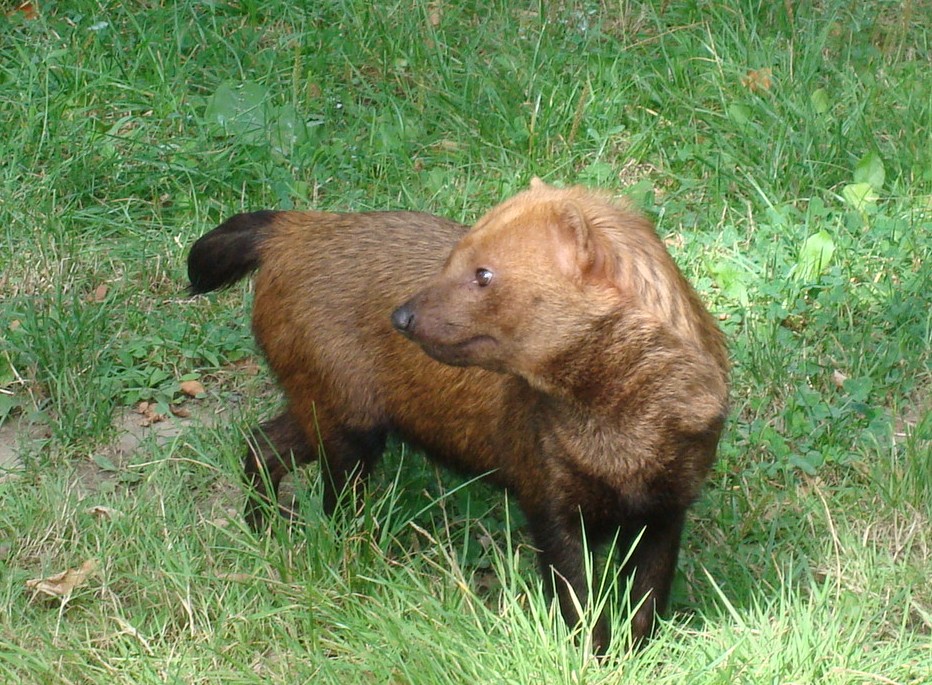
Bush Dog
South America, Central America
- Short Nasals Terminating Rostral To the Maxillary-Frontal Suture
- Very Small, Minimally Expanded Frontal Sinuses
- Double-Rooted Second Lower Molar
About Speothos
The genus Speothos represents a group of canids found in Central and South America. It is currently recognized to include one living species, the bush dog (Speothos venaticus), and one extinct species from the Pleistocene epoch, Speothos pacivorus. An interesting historical note is that the extinct species was identified and described before the living bush dog, making S. pacivorus the type species for the genus Speothos.
Evolutionary Relationships and Distinctive Features
The paleobiogeography and evolutionary connections of Speothos with other South American canids are not definitively clear. Morphological analyses have suggested a close relationship between Speothos and the short-eared dog (Atelocynus), noting shared cranial features such as short nasals. However, more recent studies utilizing molecular data, both alone and in combination with morphological information, support a sister-taxon relationship between Speothos and the maned wolf (Chrysocyon). These analyses suggest that these highly specialized canids may have diverged at least three million years ago, entering South America as distinct lineages.
A significant distinguishing characteristic of Speothos lies in its dentition, which exhibits modifications adapted for a hypercarnivorous diet. These dental adaptations are shared with other canids such as the dhole (Cuon) and the African wild dog (Lycaon). Specifically, the crushing role of the post-carnassial molars is reduced in Speothos. The lower carnassial tooth (m1) in Speothos lacks the entoconid, resulting in a sharp, cutting heel on the tooth. When the teeth are in occlusion, the hypoconid on the heel (talonid) of the m1 fits into a distinct basin in the upper molar (M1). Both Speothos and the dhole show a reduction in both the number and size of their post-carnassial molars.
Source: Wikipedia ↗
Frequently Asked Questions
What species are included in the genus Speothos?
The genus Speothos includes the living bush dog, known scientifically as Speothos venaticus, and an extinct species called Speothos pacivorus, which lived during the Pleistocene epoch.
Which species of Speothos was discovered first?
Unusually, the extinct fossil species, Speothos pacivorus, was identified and named before the extant bush dog was discovered. This means S. pacivorus is the type species for the genus Speothos.
What is distinctive about the teeth of Speothos species?
Speothos species share hypercarnivorous modifications of their dentition, similar to those found in the dhole and African wild dog. This includes a reduction in the number and size of post-carnassial molars and a specific structure of the lower carnassial (m1).
What are the proposed evolutionary relationships of Speothos?
Morphological data suggests Speothos is closely related to the short-eared dog (Atelocynus). However, molecular data and combined analyses support a sister-taxon relationship with the maned wolf (Chrysocyon), suggesting they diverged at least three million years ago.
Where is Speothos believed to have originated?
It has been proposed that the genus Speothos originated in the Brazilian highlands. This diversification is thought to have occurred sometime during the Pleistocene epoch.
