
Avilés Canyon
The Avilés Canyon is a significant submarine canyon system located off the coast of Asturias, Spain, in the Cantabrian Sea. As part of the larger Avilés Canyon System, it extends for approximately 75 kilometers and plunges to depths of nearly 5 kilometers, positioning it among the deepest on the planet. This deep-sea environment is a recognized biodiversity hotspot, supporting a rich array of marine life, including various whale species, numerous starfish, and ancient cold-water coral reefs.
Key Facts
- ›Part of the Avilés Canyon System, which includes the Corviro and La Gaviera canyons.
- ›Extends approximately 75 kilometers off the coast of Asturias, Spain.
- ›Reaches depths of nearly 5 kilometers, making it one of the deepest submarine canyons globally.
- ›A biodiversity hotspot, home to around 1,300 different species.
- ›Supports whale species like the Sperm whale and numerous types of starfish.
- ›Features cold-water coral reefs built by species like Madrepora occulata and Lophelia pertusa, some dating back over 8,000 years.

Avilés Canyon System
Submarine Erosion
Cold-Water Coral Reefs, Biodiversity Hotspot
Sperm Whale, Starfish Species, Giant Squid
Cold-Water Corals
About Avilés Canyon
The Avilés Canyon is a prominent submarine canyon located off the coast of Asturias, Spain, within the Cantabrian Sea. It forms a significant part of the Avilés Canyon System (ACS), which also encompasses the Corviro and La Gaviera canyons. This extensive system runs obliquely off the coastline for approximately 75 kilometers and plunges to remarkable depths of nearly 5 kilometers, establishing it as one of the deepest submarine canyons on the planet.
Biodiversity and Ecology
This deep-sea environment is recognized as a hotspot for marine biodiversity, with an estimated 1,300 different species found within its waters. The canyon serves as a crucial area for various marine life, including migratory whale species such as the Sperm whale. It is also home to a diverse array of starfish, with species like Nymphaster arenatus and Henricia caudani frequently observed. Furthermore, the Avilés Canyon supports the growth of cold-water coral reefs, built by species such as Madrepora occulata and Lophelia pertusa. These ancient reefs can date back more than 8,000 years, indicating the long-term stability and ecological significance of this underwater habitat.
Source: Wikipedia ↗
Frequently Asked Questions
Where is the Avilés Canyon located?
The Avilés Canyon is situated off the coast of Asturias, Spain, within the Cantabrian Sea. It is part of a larger system of submarine canyons known as the Avilés Canyon System.
How deep is the Avilés Canyon?
The Avilés Canyon reaches impressive depths of nearly 5 kilometers, making it one of the deepest submarine canyons found on Earth. This significant depth contributes to its unique marine ecosystem.
What kind of marine life is found in the Avilés Canyon?
The Avilés Canyon is a rich biodiversity hotspot, supporting approximately 1,300 different species. This includes various whale species, such as the Sperm whale, numerous types of starfish, and cold-water corals like Madrepora occulata and Lophelia pertusa.
What is the geological significance of the Avilés Canyon?
Its immense depth and extent make it one of the deepest submarine canyons on Earth. The presence of ancient cold-water coral reefs, some over 8,000 years old, also highlights its long-term geological and ecological importance.
Related Canyons
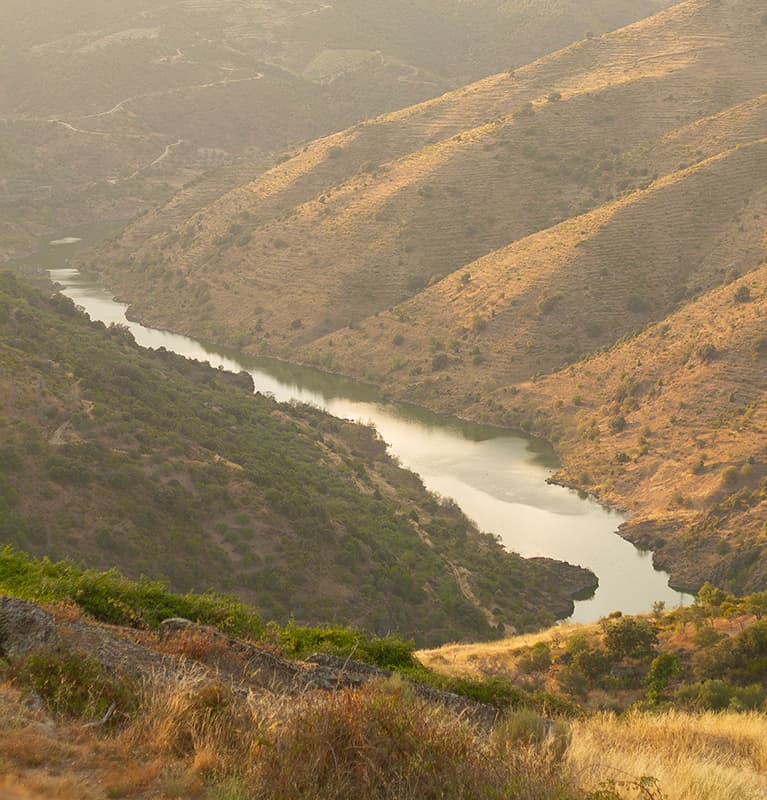
Arribes del Duero Natural Park
Arribes del Duero Natural Park is a protected area in western Spain, encompassing 1,061.05 km2 within the Castile and León region. It is renowned for its rich biodiversity and the dramatic landscapes carved by the Duero River, which forms the border with Portugal. The park's name, 'Arribes,' reflects these deeply eroded valleys and steep cliffs.

Caminito del Rey
The Caminito del Rey, meaning 'The King's Little Path,' is a walkway constructed in the early 20th century along the walls of a narrow gorge in Málaga, Spain. Originally built for workers of hydroelectric power plants, it became known for its dangerous sections, leading to its closure for over a decade before extensive renovations and its reopening in 2015. The walkway offers a dramatic experience through a landscape shaped by millions of years of geological processes.

Despeñaperros
Despeñaperros is a significant gorge in Jaén, Spain, carved by the Despeñaperros river. Its steep walls, some over 500 meters high, are composed of ancient Armorican quartzite, revealing millions of years of geological history. Historically, it has served as a crucial natural pass connecting Andalusia with the rest of Spain, a role it continues to fulfill today as a major transportation route.