
Despeñaperros
Despeñaperros is a significant gorge in Jaén, Spain, carved by the Despeñaperros river. Its steep walls, some over 500 meters high, are composed of ancient Armorican quartzite, revealing millions of years of geological history. Historically, it has served as a crucial natural pass connecting Andalusia with the rest of Spain, a role it continues to fulfill today as a major transportation route.
Key Facts
- ›The gorge features steep walls reaching over 500 meters in height.
- ›Its geological composition is primarily hard Armorican quartzite, formed approximately 500 million years ago.
- ›Despeñaperros has been a vital natural pass through the Sierra Morena for centuries.
- ›Notable geological formations within the gorge include El Salto del Fraile, Las Correderas, and Los Órganos.
- ›The natural park is home to 30 endemic species or subspecies.
- ›It is a critical transportation corridor, hosting the Autovía A-4 and a major railway line.

River Erosion
El Salto Del Fraile, Las Correderas, Los óRganos, Armorican Quartzite Cliffs, Neolithic Cave Paintings
Deer, Wild Boar, Iberian Lynx, Wolves, Spanish Imperial Eagle, Griffon Vulture
Mediterranean Forest, Holm Oak, Cork Oak, Pine Forests, Riparian Forests
About Despeñaperros
Despeñaperros: A Natural Pass Through Geological History
Despeñaperros is a dramatic gorge located in the municipality of Santa Elena, in the northern part of the province of Jaén, Spain. Carved by the Despeñaperros river, this natural park is renowned for its striking geological formations and its historical significance as a vital passage through the Sierra Morena mountain range. The gorge's steep walls, some exceeding 500 meters in height, are composed of resistant Armorican quartzite, a rock formed in the ocean approximately 500 million years ago. These ancient layers reveal a profound geological history, including fossilized wave ripples and traces of early marine life from the Ordovician period.
Geological Marvels and Endemic Life
The geology of Despeñaperros is a key feature, with formations like El Salto del Fraile ('Friar's Leap'), Las Correderas ('The Slides'), and Los Órganos ('The Organs') showcasing the erosive power of nature on the ancient quartzite. The latter is particularly notable, with folded strata sculpted by erosion into forms reminiscent of a pipe organ. The natural park is not only a geological wonder but also a biodiversity hotspot, supporting 30 endemic species or subspecies found nowhere else in the world, alongside a rich variety of Mediterranean flora, including holm oaks, cork oaks, and various pine species. The fauna is equally impressive, with populations of deer, wild boars, and the endangered Iberian lynx, as well as iconic birds like the Spanish imperial eagle and griffon vulture.
A Historic Corridor Through Spain
Historically, Despeñaperros has served as a crucial natural pass, forming a principal route of connection between Andalusia and the Meseta Central, and thus the rest of Spain. Its strategic importance is underscored by evidence of ancient human presence, including Neolithic cave paintings and Iron Age votive sites, as well as Roman road remnants and the ruins of Castro Ferral castle. During the Peninsular War, the gorge was a focal point of military activity as French troops attempted to secure passage against Spanish guerrillas. Today, Despeñaperros continues to be a vital transportation corridor, accommodating the Autovía A-4 highway and a major railway line, maintaining its long-standing role as a gateway between southern and central Spain.
Source: Wikipedia ↗
Frequently Asked Questions
What is the geology of Despeñaperros?
The gorge's walls are made of extremely hard Armorican quartzite, formed in the ocean about 500 million years ago during the Paleozoic era. These layers were later elevated and eroded, revealing spectacular ripples and trace fossils from ancient marine life.
What are the notable geological formations in Despeñaperros?
Several formations have distinct names, including El Salto del Fraile ('Friar's Leap'), Las Correderas ('The Slides'), and Los Órganos ('The Organs'). Los Órganos is particularly striking, where folded quartzite eroded into shapes resembling a musical instrument.
What kind of flora can be found in Despeñaperros?
The area is dominated by Mediterranean forest, featuring holm oak, cork oak, and Portuguese oak, along with various pines. Riparian forests with alders, ash, and willows grow along the rivers. The natural park also supports 30 endemic species.
What wildlife inhabits Despeñaperros?
The gorge is home to significant populations of deer and wild boars. It also supports Iberian lynxes, wolves, and smaller carnivores like foxes and Egyptian mongooses. Birds of prey, such as the Spanish imperial eagle and griffon vulture, are also present.
What is the historical significance of Despeñaperros?
Despeñaperros has long been a crucial natural pass, serving as a principal route between Andalusia and the Meseta Central, and the rest of Spain. It has military importance, with evidence of Roman roads and a castle that was occupied by various historical groups.
How is Despeñaperros used for transportation today?
The gorge remains a vital transportation artery. It is the route for the Autovía A-4 highway and one of Andalusia's most important railway connections to the rest of Spain.
Related Canyons

Tallulah Gorge
The Tallulah Gorge is a significant canyon located in the southern Appalachian Mountains of Georgia, carved by the Tallulah River through the Tallulah Dome rock formation. Measuring approximately 2 miles long and nearly 1,000 feet deep, it is a protected area within Georgia's Tallulah Gorge State Park and is recognized as one of the "Seven Natural Wonders of Georgia."

Gandikota
Gandikota is a historic fort and village situated on the right bank of the Penna River in Andhra Pradesh, India. It is renowned for the Gandikota canyon, a geological formation carved by the Penna River through the Erramala hills. The fort itself has a long history, serving as a strategic center for various dynasties and featuring a blend of architectural styles.
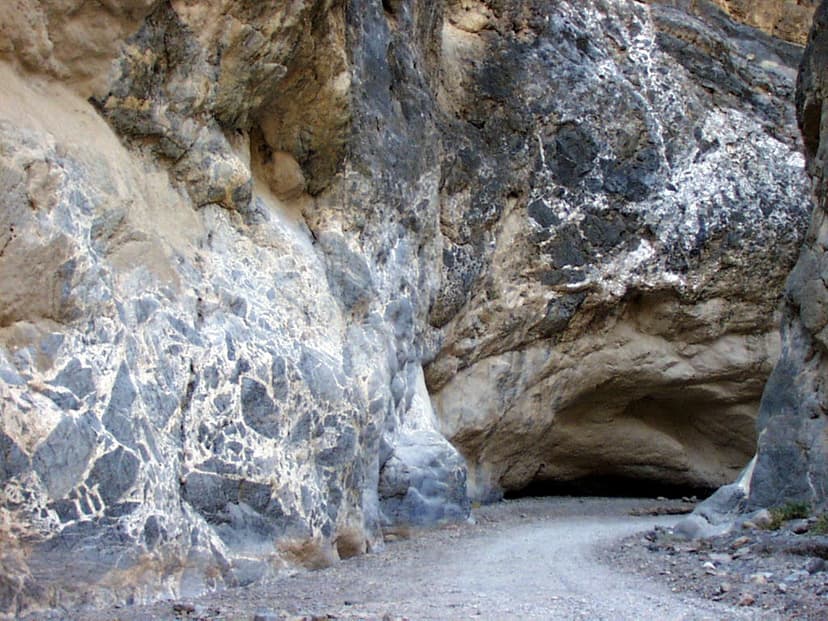
Titus Canyon
Titus Canyon is a deep, narrow gorge situated in the Grapevine Mountains within Death Valley National Park, straddling the border of California and Nevada. Its formation is a result of geological processes that uplifted ancient limestone layers, which were subsequently carved by erosion. The canyon is significant for its unique geological formations, ancient petroglyphs left by indigenous peoples, and its desert ecosystem, making it a notable natural and historical site.