
Big Bend National Park
River Canyon·North America·Cenozoic·Rio Grande/Río Bravo
Big Bend National Park is a vast protected area in West Texas, notable for its extensive Chihuahuan Desert topography and ecology. Formed by the erosive power of the Rio Grande and significant geological uplift, the park preserves a rich tapestry of life, including over 1,200 plant species and hundreds of animal species, as well as ancient fossils and diverse rock formations. Its remote location and dramatic landscapes, including the Chisos Mountains and deep river canyons, make it a significant destination for naturalists and adventurers.
Key Facts
- ›Encompasses 801,163 acres of protected Chihuahuan Desert.
- ›Features the Chisos Mountains, the only U.S. mountain range entirely within a national park.
- ›The Rio Grande forms approximately 118 miles of the park's southern border with Mexico.
- ›Preserves fossils from marine reptiles, dinosaurs, and early mammals dating back millions of years.
- ›Boasts a hot arid climate with significant temperature variations due to elevation changes.
- ›Home to unique species like the Chisos oak and the breeding grounds for the Colima warbler in the U.S.

River Erosion, Tectonic Activity
Chisos Mountains, Santa Elena Canyon, Mariscal Canyon, Boquillas Canyon, Volcanic Dikes, Sea Fossils, Dinosaur Bones, Hot Springs Historic District
Cougar, Coyote, Kangaroo Rat, Greater Roadrunner, Golden Eagle, Gray Fox, Collared Peccary, Black-Tailed Jackrabbit, Mexican Black Bear, Colima Warbler, Northern Tufted Flycatcher
Chihuahuan Desert Topography, Desert Shrubland, Igneous Grassland, Limestone Grassland, Riparian Vegetation, Montane Woodland, Cactus, Wildflowers, Yucca, Bluebonnets, Desert Marigold, Desert Willow, Ocotillo, Rock Nettle, Lechuguilla, Candelilla Plant
About Big Bend National Park
Big Bend National Park is a significant protected area located in West Texas, renowned for its vast expanse of Chihuahuan Desert landscape and its ecological diversity. The park's name derives from a prominent bend in the Rio Grande, which also forms a substantial portion of its southern international border with Mexico. This remote and geologically complex region offers a dramatic interplay of rugged mountains, deep canyons, and arid plains, making it a unique natural preserve.
Geography and Geology
The park encompasses 801,163 acres and is characterized by a wide range of elevations, from approximately 1,800 feet along the Rio Grande to the 7,832-foot summit of Emory Peak in the Chisos Mountains. This altitudinal variation contributes to microclimates and diverse habitats. The park's geology is a product of millions of years of tectonic activity, including ancient orogenies that uplifted the land, followed by extensive erosion by the Rio Grande. This erosional process has carved spectacular canyons like Santa Elena, Mariscal, and Boquillas through uplifted limestone formations. Volcanic dikes and ancient fossil beds, including those of dinosaurs and marine life, are also prominent geological features.
Ecology and Biodiversity
Despite its desert environment, Big Bend National Park is a hotspot for biodiversity, supporting over 1,200 species of plants and hundreds of species of birds, reptiles, and mammals. The park's varied habitats, from the dry desert floor to the cooler montane woodlands of the Chisos Mountains, provide niches for a wide array of flora and fauna. Notable species include the Chisos oak, found nowhere else in the United States, and the Colima warbler, for which the park is the only U.S. breeding ground. The Rio Grande riparian zone is particularly rich in life.
History and Human Use
The area has a deep human history, with archeological evidence dating back nearly 10,000 years, indicating use by various indigenous groups. Following Spanish exploration, the region saw periods of settlement by Spanish, Mexican, Anglo, and other pioneers who engaged in ranching, mining, and farming. The park was established in 1944, with the State of Texas deeding acquired lands to the federal government, preserving its unique natural and cultural resources for future generations. Its status as a national park protects an important segment of the Chihuahuan Desert ecosystem and its associated geological and historical significance.
Source: Wikipedia ↗
Frequently Asked Questions
What geological processes formed Big Bend National Park?
Big Bend National Park's dramatic landscapes were shaped by a combination of tectonic activity and erosion. The Marathon orogeny, Laramide orogeny, and basin and range faulting created uplifts and basins. Subsequently, the Rio Grande has extensively eroded and cut deep canyons through this uplifted terrain over the last two million years.
What are the main geological features found in Big Bend National Park?
The park features a variety of geological formations, including limestone canyons carved by the Rio Grande, volcanic dikes, and uplifted mountain ranges like the Chisos Mountains. It also preserves significant fossil evidence, ranging from ancient marine life to dinosaur bones and early mammals, reflecting millions of years of geological history.
What activities can visitors enjoy in Big Bend National Park?
Visitors can enjoy a wide range of activities, including hiking and backpacking on numerous trails, such as the Chimneys Trail and the South Rim trail. The park also offers extensive opportunities for river recreation, with the Rio Grande providing scenic float trips and opportunities for personal boating with a permit. Exploring canyons, observing wildlife, and visiting historic sites are also popular.
What kind of wildlife can be seen in Big Bend National Park?
Despite its arid environment, Big Bend supports a diverse array of wildlife, with over 600 species of vertebrates. Common sightings include coyotes, black-tailed jackrabbits, collared peccaries, and various reptiles. Birdwatching is particularly popular, as the park is a key habitat for species like the Colima warbler and hosts over 450 bird species. Mexican black bears are also present in the mountain areas.
Is Big Bend National Park easily accessible?
Big Bend National Park is known for its remote location. While accessible by road, it requires a significant drive from major cities. The park's vastness and relative lack of development contribute to its status as one of the least-visited national parks in the contiguous United States, offering a more secluded experience.
What is the climate like in Big Bend National Park?
The park experiences a hot arid climate, with scorching hot days in the late spring and summer often exceeding 100°F (38°C) at lower elevations. Winters are generally mild, although subfreezing temperatures can occur. The significant variation in altitude, from the river valley to the Chisos Mountains, creates a wide range of temperatures and moisture levels throughout the park.
Related Canyons

Three Gorges
The Three Gorges are a series of three sequential gorges along the middle reaches of the Yangtze River in China, renowned for their dramatic scenery and historical significance. Formed over millions of years by river erosion and tectonic uplift, these gorges have been a vital waterway and a source of inspiration for art and literature for centuries. Their landscape has been significantly altered by the construction of the Three Gorges Dam, which has impacted the region's ecology and submerged numerous cultural sites.
Royal Gorge
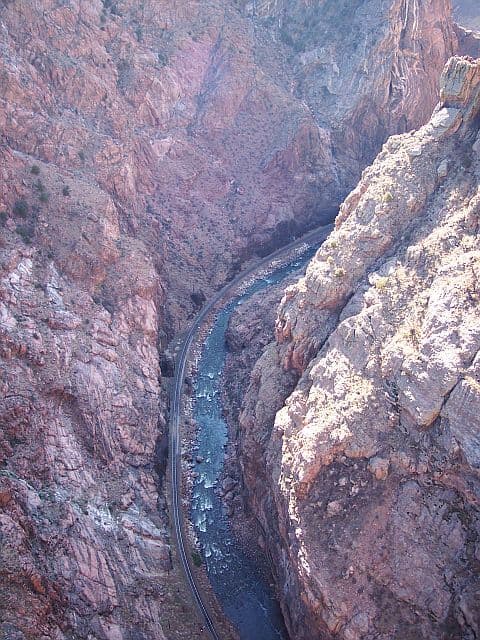
The Royal Gorge is a deep and narrow canyon carved by the Arkansas River in Colorado. Formed over millions of years by the river eroding through rising granite, it is one of the deepest canyons in the state. The gorge is a significant natural landmark and a popular tourist destination, known for its dramatic scenery, the historic Royal Gorge Bridge, and recreational activities.
Congo Canyon
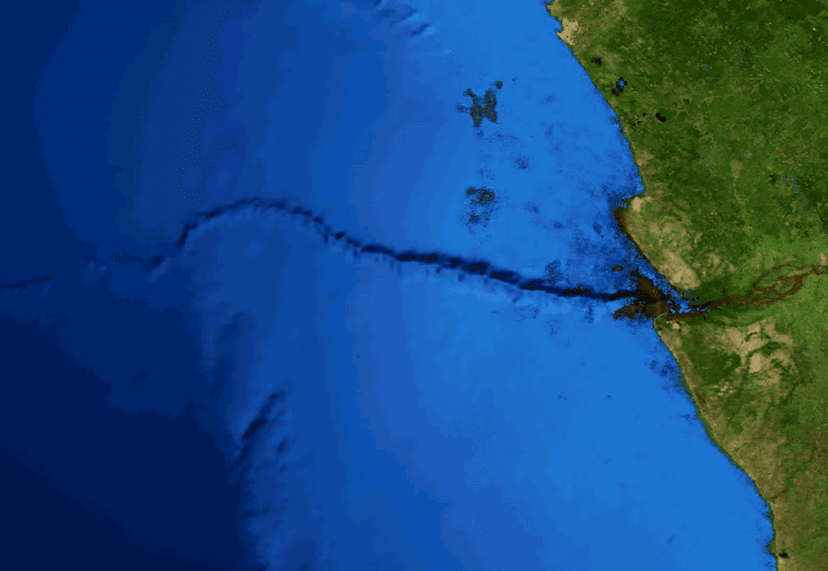
Congo Canyon is an immense submarine canyon located at the terminus of the Congo River in Africa, ranking among the largest of its kind globally. Its formation is primarily driven by powerful turbidity currents originating from the Congo River's outflow, which act as underwater avalanches, eroding the canyon and transporting vast amounts of sediment to the Congo Deep-Sea Fan. This process prevents delta formation and contributes to one of the world's largest active submarine fan systems.