
Blackwater Canyon
River Gorge·Usa·Blackwater River
Blackwater Canyon is a rugged, eight-mile gorge in eastern West Virginia, carved by the Blackwater River. Its dramatic landscape features steep cliffs, whitewater rapids, and dense forests, making it a site of both natural beauty and environmental controversy. For years, activists have advocated for its protection against industrial development interests.
Key Facts
- ›The canyon is approximately 13 km (8 miles) long and drops about 380 M (1,250 feet) in elevation.
- ›It is a 300 M (1,000 ft) deep chasm situated between Backbone Mountain and Canaan Mountain.
- ›The canyon is characterized by spruce, hemlock, pine, oak, maple, yellow poplar, and rhododendron forests.
- ›Wildlife includes black bear, white-tail deer, squirrel, numerous bird species, and timber rattlesnakes.
- ›The former Western Maryland Railway grade has been converted into the 19.6 km (12.2 mile) Blackwater Canyon Railroad Grade Trail.
- ›It features whitewater rapids rated Class IV-V+ on the upper Blackwater and Class III-IV on the lower Blackwater.

River Erosion
Blackwater Falls, Hanging Valleys, Whitewater Rapids, Big Run Culvert, Lindy Point Overlook
Black Bear, White-Tail Deer, Squirrel, Numerous Bird Species, Timber Rattlesnake
Spruce Forest, Hemlock Forest, Pine Forest, Oak Forest, Maple Forest, Yellow Poplar Forest, Rhododendron Thickets
About Blackwater Canyon
Blackwater Canyon Overview
Blackwater Canyon is a rugged, heavily wooded gorge located in the Allegheny Mountains of eastern West Virginia, USA. Carved by the Blackwater River, this approximately 13-kilometer (8-mile) long canyon plunges dramatically, creating a landscape of steep cliffs and whitewater rapids. The canyon floor drops from around 910 meters (3,000 ft) near Blackwater Falls to 530 meters (1,750 ft) at its confluence with Dry Fork, forming a deep chasm between Backbone Mountain and Canaan Mountain.
Natural Features and Ecology
The canyon is characterized by a dense second-growth forest comprising spruce, hemlock, pine, oak, maple, yellow poplar, and rhododendron. This ecosystem supports a variety of wildlife, including black bear, white-tail deer, squirrels, numerous bird species, and timber rattlesnakes. Tributary streams have sculpted hanging valleys, adding to the dramatic topography. The Blackwater River itself offers challenging whitewater experiences, with rapids rated from Class III-IV on the lower section to Class IV-V+ on the upper reaches.
Human History and Development
First brought to widespread public attention in the mid-19th century by travel writers, the canyon's isolation began to change with the arrival of the West Virginia Central and Pittsburgh Railway in the late 1880s. This development, followed by the Western Maryland Railroad, spurred coal mining and timber industries, leading to extensive clear-cutting and severe environmental damage, including widespread fires and erosion by the early 20th century. Efforts toward conservation began with the establishment of the Monongahela National Forest in 1920 and Blackwater Falls State Park in 1937. Despite plans for hydroelectric projects that never materialized, and the conversion of the old railway grade into the popular Blackwater Canyon Railroad Grade Trail, the canyon's status has remained a subject of controversy between environmental activists and industrial/development interests into the 21st century.
Source: Wikipedia ↗
Frequently Asked Questions
What geological processes formed Blackwater Canyon?
Blackwater Canyon was primarily carved by the erosion of the Blackwater River over time. Tributary streams have also contributed by forming hanging valleys high above the canyon floor.
What are the main activities available in Blackwater Canyon?
Activities include hiking on trails like the Blackwater Canyon Railroad Grade Trail and the Canyon Rim Trail. The canyon also offers challenging whitewater kayaking on the Blackwater River, with rapids rated from Class III-IV to Class IV-V+.
How can I access Blackwater Canyon?
Access to the canyon is available through various trails. The Canyon Rim Trail, accessed by Canyon Rim Road, provides overlooks, while other trails descend to river sections and rapids. The Blackwater Canyon Railroad Grade Trail offers a longer hiking route.
What is the geological makeup of Blackwater Canyon?
The canyon walls are composed of ancient rock formations within the Allegheny Mountains. The surrounding land is covered in dense forests of spruce, hemlock, pine, oak, maple, yellow poplar, and rhododendron.
Is Blackwater Canyon a protected area?
Parts of Blackwater Canyon are protected, including Blackwater Falls State Park at its head and sections managed by the Monongahela National Forest. However, significant portions remain privately owned and have been subject to development proposals.
What is the significance of the Blackwater Canyon Railroad Grade Trail?
This trail follows the historic route of the Western Maryland Railway through the canyon. It provides a unique hiking experience with views of cascades and the rugged canyon landscape, connecting with the Allegheny Trail.
Related Canyons
Kings Canyon
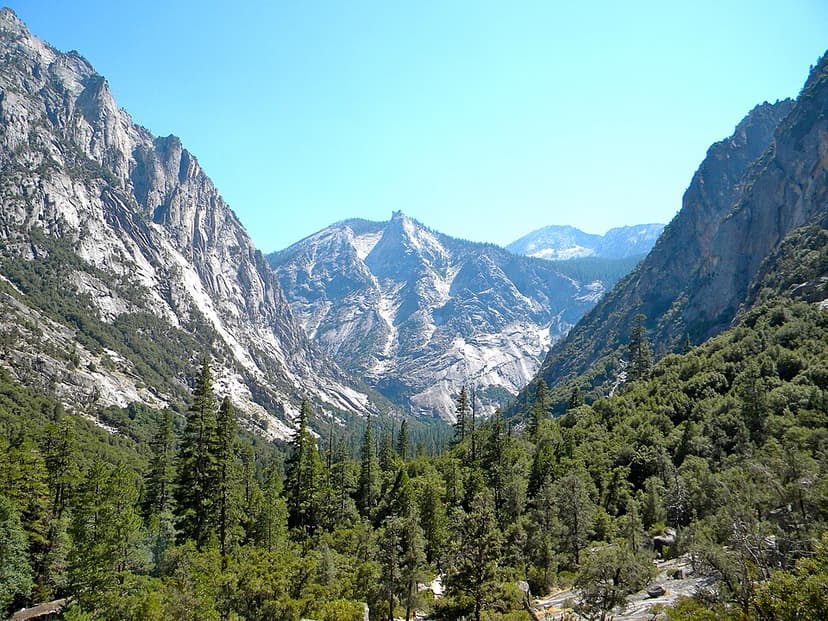
Kings Canyon is a rugged, glacier-carved valley in California's southern Sierra Nevada, renowned for its extreme vertical relief and natural beauty. Formed by Ice Age glaciations and subsequent river erosion, it is part of the larger Sequoia and Kings Canyon National Parks and is a significant protected wilderness area.

Virgin River Gorge
The Virgin River Gorge is a significant canyon in northwest Arizona, carved by the Virgin River. It is notable for Interstate 15 traversing its length, making it one of the most expensive highway sections ever built and known for its challenging driving conditions. The canyon's environment is characteristic of the Mojave Desert and it is a popular destination for outdoor recreation.
Hells Canyon
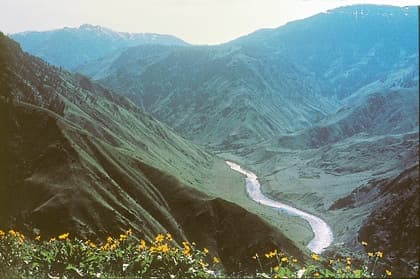
Hells Canyon is North America's deepest river gorge, carved by the Snake River along the borders of Oregon, Idaho, and Washington. Its dramatic landscape features immense depth and a diverse geological history spanning millions of years, from ancient volcanoes to basalt lava flows. The canyon is a significant natural area, offering abundant recreational opportunities and holding historical importance for indigenous tribes and early explorers.