
Kings Canyon
River Canyon·Usa·Quaternary·Kings River
Kings Canyon is a rugged, glacier-carved valley in California's southern Sierra Nevada, renowned for its extreme vertical relief and natural beauty. Formed by Ice Age glaciations and subsequent river erosion, it is part of the larger Sequoia and Kings Canyon National Parks and is a significant protected wilderness area.
Key Facts
- ›The canyon is over a mile (1,600 M) deep, featuring some of the steepest vertical relief in North America.
- ›It was largely sculpted by glaciations during successive Ice Ages over the last 2.5 million years.
- ›The canyon floor is diversified with meadows, groves, and a crystal river, with granite cliffs rising thousands of feet.
- ›It is accessible by road only at Cedar Grove, with most of the park being designated wilderness.
- ›Kings Canyon is home to some of the world's largest stands of giant sequoia trees, including General Grant.
- ›The Kings River, flowing through the canyon, has the longest undammed drop of any North American river.
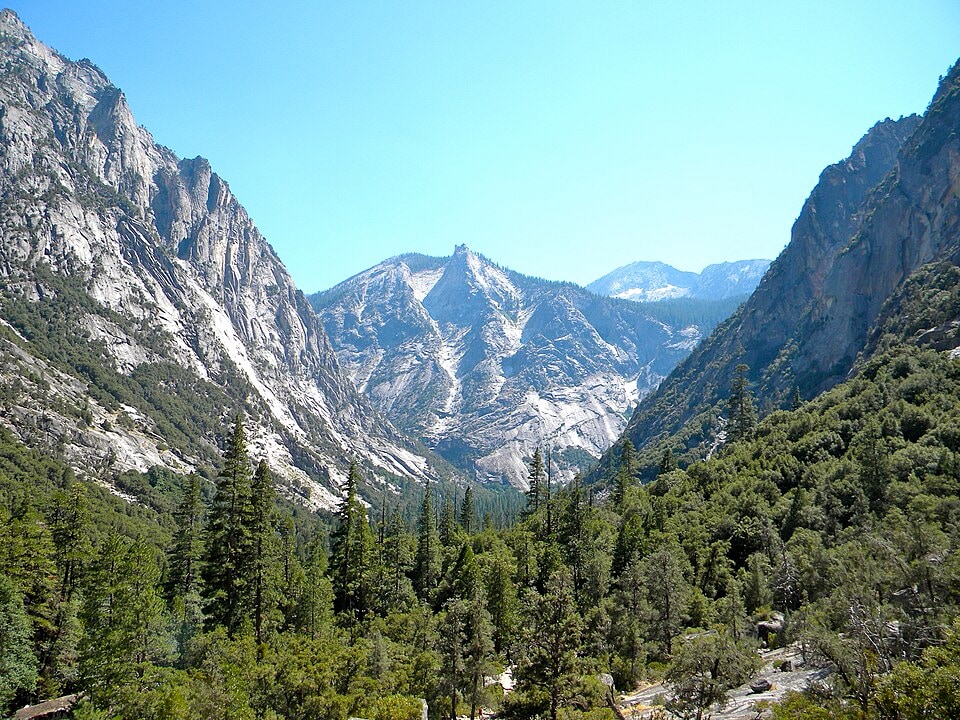
Big King's River Cañon, King's River Yosemite
Glacial Erosion, River Erosion, Tectonic Activity
General Grant Grove, Cedar Grove, Tehipite Dome, Zumwalt Meadow, Palisade Glacier, General Grant
Mule Deer, Sierra Nevada Bighorn Sheep, Mountain Lions, Black Bears, Wild Trout, Pikas, Yellow-Bellied Marmots, Gray-Crowned Rosy Finches, American Pipits, Mountain Yellow-Legged Frogs, Yosemite Toads
Chaparral, Shrubs, Oaks, Sycamores, Willows, Montane Mixed-Conifer Forests, Giant Sequoias, Red Fir, Lodgepole Pine, Whitebark Pine, Mountain Hemlock, Foxtail Pine, Alpine Meadows, Herbs
About Kings Canyon
Kings Canyon, located in the southern Sierra Nevada of California, is a monumental glacier-carved valley renowned for its dramatic vertical relief and pristine wilderness. As part of Sequoia and Kings Canyon National Parks, it offers a glimpse into the raw power of geological forces and the grandeur of ancient forests.
Geography and Formation
The canyon's present form is largely the result of powerful glaciations during successive Ice Ages, which sculpted deep, U-shaped valleys. The Kings River, with its Middle and South Forks, further carved and shaped the landscape, creating V-shaped gorges in its lower reaches. The canyon boasts some of the steepest vertical relief in North America, with granite cliffs soaring thousands of feet above the valley floor.
Natural Features and Ecology
Kings Canyon is a diverse ecosystem, ranging from dry chaparral at lower elevations to alpine meadows and snow-capped peaks above the tree line. It is home to extensive stands of giant sequoias, including the General Grant tree, and supports a variety of wildlife, from small mammals and birds in the alpine zones to larger species like black bears and mule deer in the forests. The Kings River itself is a significant feature, known for its challenging whitewater and as a prime habitat for wild trout.
Human History and Preservation
Historically, Native American tribes used controlled burns to manage the land. The area was later designated as a national park to protect its natural resources, particularly the giant sequoias. Despite early proposals for hydroelectric development, preservationist efforts led to the establishment of Kings Canyon as a national park, ensuring its protection as a vast wilderness area with limited development, preserving its natural character for future generations.
Source: Wikipedia ↗
Frequently Asked Questions
How was Kings Canyon formed?
Kings Canyon was primarily carved by large valley glaciers during successive Ice Ages over the last 2.5 million years, creating distinctive U-shaped valleys. Subsequent river erosion by the Kings River further shaped the canyon, particularly downstream where V-shaped gorges were formed.
What are the main geological features of Kings Canyon?
The canyon is characterized by extreme vertical relief with granite cliffs reaching thousands of feet high. It features U-shaped glacial valleys, V-shaped river gorges, alpine lakes, cirques, arêtes, and large talus piles at the base of cliffs.
What activities are popular in Kings Canyon?
Popular activities include hiking and backpacking, especially in the backcountry and high country. The park also offers opportunities for camping, fishing for wild trout in the Kings River, and viewing giant sequoia trees.
How do I access Kings Canyon?
The Cedar Grove area, located in the heart of Kings Canyon, is accessible by road via Highway 180. Much of the park's vast eastern portion is designated wilderness and is accessible only by foot and horse trails, requiring overnight hiking.
What kind of rock is found in Kings Canyon?
The mountains and canyons are predominantly formed in igneous intrusive rocks such as granite, diorite, and monzonite, which were formed at least 100 million years ago.
What is the significance of the Kings River in the canyon?
The Kings River, with its Middle and South Forks, flows through and carves much of Kings Canyon. It has the longest undammed drop of any North American river and is known for its whitewater rapids and excellent wild trout fisheries.
Related Canyons

Virgin River Gorge
The Virgin River Gorge is a significant canyon in northwest Arizona, carved by the Virgin River. It is notable for Interstate 15 traversing its length, making it one of the most expensive highway sections ever built and known for its challenging driving conditions. The canyon's environment is characteristic of the Mojave Desert and it is a popular destination for outdoor recreation.

Blackwater Canyon
Blackwater Canyon is a rugged, eight-mile gorge in eastern West Virginia, carved by the Blackwater River. Its dramatic landscape features steep cliffs, whitewater rapids, and dense forests, making it a site of both natural beauty and environmental controversy. For years, activists have advocated for its protection against industrial development interests.
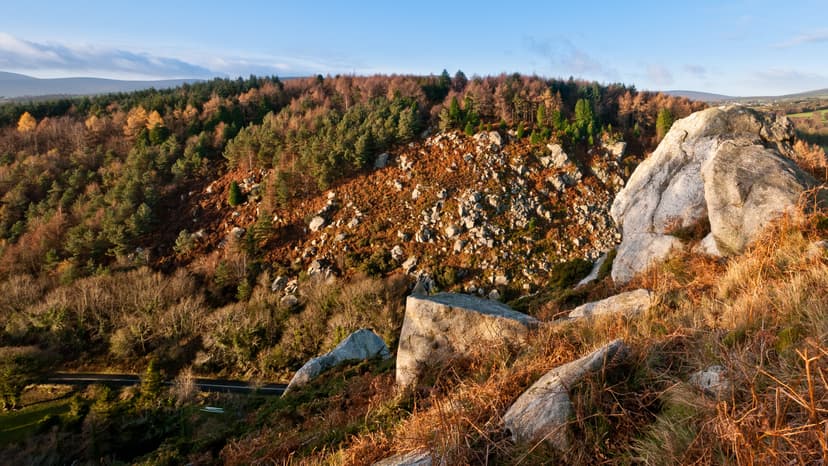
The Scalp
The Scalp is a deep natural chasm located west of Barnaslingan hill in County Dublin, Ireland. It was formed by powerful meltwater erosion during deglaciation approximately 12,000 years ago, serving as a subglacial and then surface channel for glacial outwash. This geological feature is recognized for its significance and is a habitat for various wildlife.