
Cheat Canyon
River Canyon·United States·Cheat River·Sandstone
Cheat Canyon, also known as Cheat River Canyon or Cheat River Gorge, is a significant forested gorge carved by the Cheat River in West Virginia. Extending approximately 10.5 miles, it is renowned for its challenging whitewater rapids, attracting paddlers for events like the Cheat Festival and The Cheat River Race. The canyon's preservation has been a subject of ongoing debate between environmental activists and development interests, particularly concerning its rich biodiversity and flood risk.
Key Facts
- ›The canyon is approximately 10.5 miles (16 km) long.
- ›Steep forested slopes rise up to 1,200 feet from the river bed to the canyon rim.
- ›The canyon rim is composed of hard, white, grainy Pottsville sandstone, with caves formed in the Greenbrier Limestone of lower strata.
- ›It is a popular whitewater venue featuring Class IV and Class V rapids.
- ›The canyon is home to several federally imperiled and globally uncommon plant and animal species.
- ›The Cheat River was listed as the eighth most endangered river in the United States in the 1990s due to various environmental pressures.

Cheat River Canyon, Cheat River Gorge
River Erosion
Pottsville Sandstone Outcrops and Cliffs, Caves In Greenbrier Limestone, Big Nasty Rapid, High Falls Rapid, Upper Coliseum Rapid
Flat-Spired Three-Toothed Snail, Indiana Bat, Virginia Bladetooth Snail, Delicate Vertigo Snail, Eastern Small-Footed Bat, Green Salamander, Allegheny Woodrat
Forested Slopes
About Cheat Canyon
Cheat Canyon, also referred to as Cheat River Canyon or Cheat River Gorge, is a significant natural landmark situated in northeastern West Virginia, United States. Carved by the Cheat River, this remote, forested canyon stretches for approximately 10.5 miles along the western edge of the Allegheny Mountains, extending between the towns of Albright and Cheat Lake. Its steep slopes rise dramatically, reaching up to 1,200 feet from the riverbed to the canyon rim, creating a dramatic and rugged landscape.
Geological Formation and Features
The geological composition of Cheat Canyon is marked by the robust Pottsville sandstone that forms its rim, giving rise to characteristic outcrops and cliffs. These sandstone formations frequently break off, contributing to talus fields that gradually descend the forest slopes to the river bottom. Deeper within the canyon walls, the Greenbrier Limestone strata host numerous caves, sculpted over time by water action. This varied geology underscores the canyon's ancient origins and the powerful forces that shaped it.
Ecological Significance and Preservation Debates
Cheat Canyon is a vital habitat for a diverse range of species, including several that are federally imperiled and globally uncommon. Notably, the canyon is home to the threatened flat-spired three-toothed snail and the endangered Indiana bat, alongside other rare snails, bats, amphibians, and mammals. This rich biodiversity has made the canyon a focal point for environmental activism. For many years, preservation efforts have contended with timber and development interests, particularly concerning logging in sensitive areas. Concerns about flood risk, exacerbated by the potential removal of old-growth trees, have fueled ongoing debates among various environmental groups and stakeholders.
Whitewater Recreation and Events
The Cheat River within the canyon is renowned for its challenging whitewater, featuring rapids rated Class IV and even Class V under high water conditions. This makes it a premier destination for whitewater enthusiasts, especially kayakers and rafters. The most formidable and celebrated rapids include "Big Nasty," "High Falls," and "Upper Coliseum." Annually, during the first weekend of May, the canyon hosts the Cheat Festival, drawing paddlers from across the country. A signature event of the festival is The Cheat River Race, a unique whitewater race known for its mass start, where all participants begin simultaneously, adding an element of strategic navigation and direct competition amidst the river's hazards. This race is often cited as the largest of its kind, typically attracting around 150 contestants.
Source: Wikipedia ↗
Frequently Asked Questions
What is Cheat Canyon primarily known for?
Cheat Canyon is primarily known for its challenging whitewater rapids, making it a popular destination for kayaking and rafting. It also holds ecological significance due to the presence of several rare and endangered species.
What geological formations are found in Cheat Canyon?
The canyon's rim is characterized by outcrops and cliffs of hard, white, grainy Pottsville sandstone. Numerous caves have been formed by water within the Greenbrier Limestone of the canyon's lower strata.
What recreational activities can be enjoyed in Cheat Canyon?
The main recreational activity is whitewater kayaking and rafting on the Cheat River, which features Class IV and Class V rapids. The annual Cheat Festival and The Cheat River Race are major events for paddlers.
What are some of the notable whitewater rapids in Cheat Canyon?
Some of the most challenging and celebrated rapids include Big Nasty, High Falls, and Upper Coliseum. The river presents significant hazards that paddlers must navigate.
What ecological concerns are associated with Cheat Canyon?
Concerns include the potential impact of logging on sensitive habitats and the risk of increased flooding if old-growth trees are removed. The canyon supports various imperiled and uncommon species, including the flat-spired three-toothed snail and the Indiana bat.
Is Cheat Canyon easily accessible?
The canyon is described as remote, with steep slopes rising from the river bed. Access may be challenging, and rescue operations, such as a helicopter lift in July 2023, highlight its rugged nature.
Related Canyons

Canyons of the Escalante
The Canyons of the Escalante are a vast network of erosional landforms in southern Utah, carved by the Escalante River and its tributaries. These sandstone canyons feature high vertical walls, numerous slot canyons, waterpockets, natural arches, and hoodoos. The area is a significant part of the Grand Staircase–Escalante National Monument and the Glen Canyon National Recreation Area, renowned for its geological history and dramatic landscapes.
Glenwood Canyon
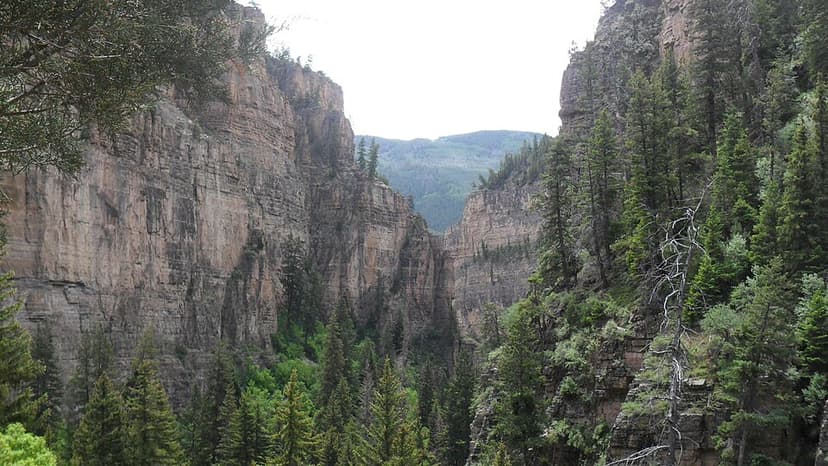
Glenwood Canyon is a rugged and scenic 20 km canyon in western Colorado, carved by the Colorado River. Its formation during the Pleistocene epoch involved the rapid erosion of sedimentary rock layers, including sandstone and Cambrian rock. Historically significant as a transportation corridor, it currently hosts Interstate 70 and a major railroad line, making it a notable natural feature on the U.S. Interstate Highway System.

Red River Gorge
The Red River Gorge is an extensive canyon system located in east-central Kentucky, carved by the Red River. Characterized by high sandstone cliffs, numerous natural arches, and rock shelters, it is a significant geological area and a premier destination for rock climbing and hiking. The gorge also holds immense archaeological importance, with evidence of human occupation dating back over 12,000 years, and played a crucial role in the history of plant domestication in eastern North America.