
Red River Gorge
River Canyon·United States·Red River·Sandstone
The Red River Gorge is an extensive canyon system located in east-central Kentucky, carved by the Red River. Characterized by high sandstone cliffs, numerous natural arches, and rock shelters, it is a significant geological area and a premier destination for rock climbing and hiking. The gorge also holds immense archaeological importance, with evidence of human occupation dating back over 12,000 years, and played a crucial role in the history of plant domestication in eastern North America.
Key Facts
- ›Features the highest concentration of natural sandstone arches east of the Mississippi River.
- ›Home to over 100 natural sandstone arches.
- ›A globally recognized destination for rock climbing, known for its overhanging, pocketed sandstone cliffs.
- ›Contains extensive archaeological sites, including rock shelters with evidence of human occupation dating back over 12,000 years.
- ›Designated as a National Natural Landmark and National Archaeological District.
- ›The Red River section within the gorge is a legally designated Kentucky Wild River.

The Red, The Gorge
River Erosion, Weathering
Sandstone Cliffs, Rock Shelters, Waterfalls, Natural Arches, Sky Bridge, Gray's Arch
Hawks, Owls, Woodpeckers, Hummingbirds, Deer, Fox, Black Bears, Copperhead, Timber Rattlesnake, Indiana Bat, Virginia Big-Eared Bat, Red-Cockaded Woodpecker
Plants of Canadian Origin, Purple Fringed Orchid, Canadian Lily, Canadian Yew, White-Haired Goldenrod
About Red River Gorge
The Red River Gorge is a significant canyon system situated in east-central Kentucky, United States, carved by the Red River. Geologically, it is a prominent part of the Pottsville Escarpment and is renowned for its dramatic landscape, featuring towering sandstone cliffs, numerous rock shelters, waterfalls, and an exceptional concentration of natural arches. The Red River Gorge Geological Area, encompassing approximately 29,000 acres within the Daniel Boone National Forest, was designated a National Natural Landmark and National Archaeological District in 1976, underscoring its dual importance in natural and historical preservation.
Geological and Ecological Significance
The gorge's formation is a testament to millions of years of erosion and weathering, which have sculpted its unique topography. It boasts more than 100 natural sandstone arches, the highest number found anywhere east of the Mississippi River. The sandstone in this region is notable for its prominent iron-oxide banding, creating intricate red, orange, and brown patterns. This rugged terrain supports a remarkable diversity of ecological zones, harboring a wide array of wildlife, including numerous bird, mammal, reptile, and amphibian species. Several endangered species, such as the Indiana Bat and the Red-Cockaded Woodpecker, also find refuge here. The presence of plants of Canadian origin, likely established during past glacial periods, further adds to the area's ecological distinctiveness.
Archaeological and Historical Importance
The Red River Gorge is a treasure trove of archaeological evidence, with over 442 known sites, many of which are rock shelters. These shelters have preserved artifacts and organic materials, providing insights into human occupation dating back over 12,000 years, from the Paleoindian period through more recent times. The gorge played a crucial role in the early development of agriculture in Eastern North America, showing evidence of indigenous populations cultivating native plants. The area also witnessed a significant environmental advocacy movement in the mid-20th century, successfully preventing the construction of a flood control dam that would have inundated much of the gorge. This preservation effort culminated in the designation of a 19.4-mile section of the Red River into the National Wild and Scenic River system in 1993.
Recreation and Access
Today, the Red River Gorge is a premier destination for outdoor recreation. It is internationally recognized as a top rock climbing location, attracting climbers from around the globe with its overhanging, pocketed sandstone cliffs and extensive network of bolted routes. For hikers, over 60 miles of trails offer varying levels of difficulty, leading to scenic overlooks and natural landmarks like Gray's Arch, one of the park's many impressive natural bridges. Camping facilities, including primitive backcountry options, are available, though regulations are in place to protect the environment. The Nada Tunnel, a historic logging tunnel built in the early 20th century, serves as a notable gateway to the gorge for motorists.
Source: Wikipedia ↗
Frequently Asked Questions
How was the Red River Gorge formed?
The Red River Gorge was primarily formed through millions of years of erosion and weathering of its extensive sandstone cliffs and rock formations. The Red River and its tributaries have carved into the landscape, shaping the intricate canyon system we see today.
What are the main geological features of the Red River Gorge?
The gorge is distinguished by its high sandstone cliffs, numerous rock shelters, waterfalls, and an abundance of natural arches. It holds the highest concentration of natural arches east of the Mississippi River, with over 100 documented in the geological area.
What activities can I do in the Red River Gorge?
The Red River Gorge is a popular destination for rock climbing, with thousands of bolted routes on its sandstone cliffs. It also offers extensive hiking trails, ranging in difficulty, and numerous camping opportunities, including primitive backcountry camping.
Is the Red River Gorge a protected area?
Yes, the Red River Gorge is largely protected. It lies within the Daniel Boone National Forest and is designated as the Red River Gorge Geological Area. A portion is also designated as the Clifty Wilderness Area, and the Red River itself is a legally designated Kentucky Wild River.
What is the archaeological significance of the Red River Gorge?
The gorge contains a high concentration of archaeological sites, including rock shelters that have preserved artifacts from prehistoric human occupation for over 12,000 years. It has provided some of the earliest evidence of plant domestication in the eastern United States and is recognized as a National Archaeological District.
Can I visit the Red River Gorge?
Yes, the Red River Gorge is accessible to visitors. The Gladie Visitor Center in Slade, Kentucky, provides information on the area's geology, natural history, and cultural history, as well as maps and details on trails and activities.
Related Canyons

Canyons of the Escalante
The Canyons of the Escalante are a vast network of erosional landforms in southern Utah, carved by the Escalante River and its tributaries. These sandstone canyons feature high vertical walls, numerous slot canyons, waterpockets, natural arches, and hoodoos. The area is a significant part of the Grand Staircase–Escalante National Monument and the Glen Canyon National Recreation Area, renowned for its geological history and dramatic landscapes.

Cheat Canyon
Cheat Canyon, also known as Cheat River Canyon or Cheat River Gorge, is a significant forested gorge carved by the Cheat River in West Virginia. Extending approximately 10.5 miles, it is renowned for its challenging whitewater rapids, attracting paddlers for events like the Cheat Festival and The Cheat River Race. The canyon's preservation has been a subject of ongoing debate between environmental activists and development interests, particularly concerning its rich biodiversity and flood risk.
Glenwood Canyon
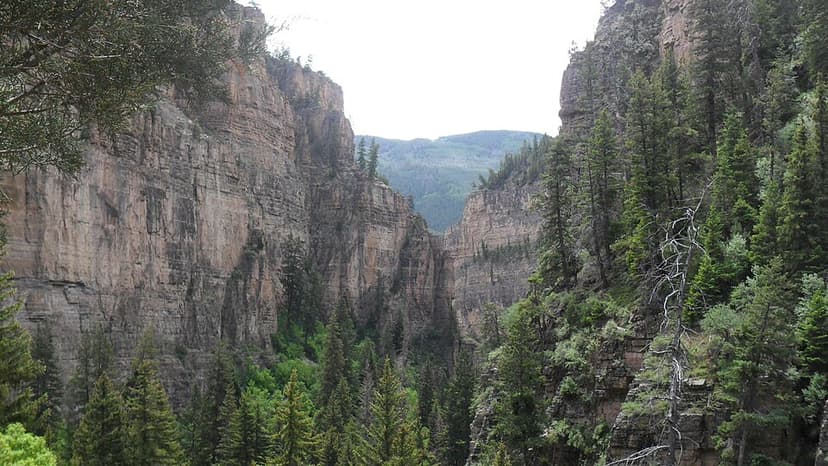
Glenwood Canyon is a rugged and scenic 20 km canyon in western Colorado, carved by the Colorado River. Its formation during the Pleistocene epoch involved the rapid erosion of sedimentary rock layers, including sandstone and Cambrian rock. Historically significant as a transportation corridor, it currently hosts Interstate 70 and a major railroad line, making it a notable natural feature on the U.S. Interstate Highway System.