
Dniester Canyon
River Canyon·Ukraine·Palaeozoic·Dniester River
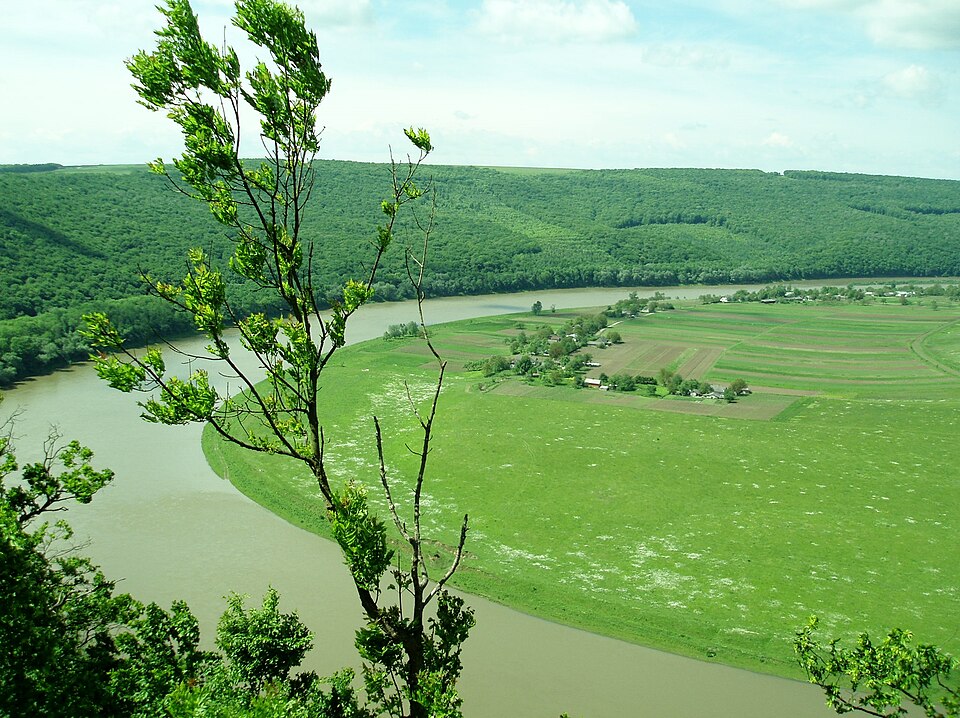
The Dniester Canyon is a significant river canyon in southwestern Ukraine, carved by the Dniester River over a 250 km stretch. Its formation involves erosion through various geological layers, resulting in dramatic landscapes with steep walls, unique rock formations, and numerous caves. The canyon is recognized for its scenic beauty and ecological importance, leading to its designation as a National Nature Park and its inclusion as one of the Seven Natural Wonders of Ukraine.
Key Facts
- ›Extends for 250 km along the Dniester River in southwestern Ukraine.
- ›Reaches depths of 100–200 meters (330–660 ft).
- ›Cuts through rock layers from the Lower Palaeozoic, Upper Cretaceous, and Miocene periods, with Devonian bedrock being common.
- ›Features unique travertine rocks, geological exfoliation, karst caves, and grottoes.
- ›Its high walls create a microclimate that is warmer and extends the growing season.
- ›The most picturesque segment runs from the mouth of the Zolota Lypa River to the mouth of the Zbruch River.
River Erosion
Travertine Rocks, Geological Exfoliation, Karst Caves, Grottoes, Waterfalls of 'Maiden's Tears'
Bryophyte Rocks, Dry Grasslands
About Dniester Canyon
The Dniester Canyon is a prominent river canyon situated in southwestern Ukraine, carved by the Dniester River. It stretches over a significant 250-kilometer (160 mi) segment, extending from the mouth of the Zolota Lypa River to the Dniester Hydroelectric Station. The canyon traverses parts of Ternopil, Ivano-Frankivsk, Chernivtsi, and Khmelnytskyi Oblasts, lying on the Podolian and Khotyn Uplands northeast of the Carpathian Mountains.
Geological Formations and Landscape
This impressive canyon reaches depths of 100 to 200 meters (330 to 660 ft). Its geological composition includes layers of rock formed during the Lower Palaeozoic era, Upper Cretaceous period, and Miocene epoch, with Devonian bedrock being particularly common. The canyon's walls display unique travertine rocks and geological exfoliation. Within its confines, there are over ten karst caves and grottoes, with small waterfalls often referred to as "maiden's tears" cascading down bryophyte-covered rocks.
Ecology and Microclimate
The steep walls of the Dniester Canyon play a crucial role in its ecology by retaining heat. This creates a distinct microclimate that results in average summer temperatures being approximately 0.8 °C (33.4 °F) warmer than the surrounding areas. This warmer environment also extends the local growing season by about 10 days.
Preservation and Tourism
Recognizing its natural beauty and ecological value, the landscape park surrounding the canyon was elevated to the status of a national nature park on February 3, 2010, becoming the Dniester Canyon National Nature Park. The canyon's picturesque landscapes, including its steep rocky or wooden banks, unique geological features, caves, waterfalls, and islands, draw thousands of water tourists each year. The villages of Isakiv and Odaiv, located at the canyon's rim, have also become popular destinations for skydivers, attracting participants from various countries for twice-yearly competitions. The Dniester Canyon is also celebrated as one of the Seven Natural Wonders of Ukraine.
Source: Wikipedia ↗
Frequently Asked Questions
What is the Dniester Canyon?
The Dniester Canyon is a large river canyon formed by the Dniester River in southwestern Ukraine. It is recognized for its dramatic landscapes, geological significance, and ecological importance.
How deep and long is the Dniester Canyon?
The canyon reaches depths of 100 to 200 meters (330 to 660 ft). The most valued and scenic part of the canyon stretches for 250 kilometers (160 miles) along the Dniester River.
What kind of geology can be found in the Dniester Canyon?
The canyon walls expose rock layers from the Lower Palaeozoic era, Upper Cretaceous period, and Miocene epoch, with much of the bedrock being Devonian. It also features unique travertine rocks, geological exfoliation, and over ten karst caves and grottoes.
What makes the Dniester Canyon ecologically significant?
The canyon's high walls create a unique microclimate, retaining heat and making the area about 0.8 °C warmer than the surroundings. This also extends the growing season by approximately 10 days.
What are the main tourist activities in the Dniester Canyon?
The canyon attracts thousands of water tourists annually for river trips. The villages of Isakiv and Odaiv are also notable hubs for skydivers, hosting international competitions.
Is the Dniester Canyon a protected area?
Yes, the area around the canyon was promoted to the status of a national nature park on February 3, 2010, becoming the Dniester Canyon National Nature Park.
Related Canyons

Huguan Taihang Grand Canyon
Huguan Taihang Grand Canyon is a significant geographical feature and popular tourist destination located in Shanxi, China. Formed by the uplift of the Taihang Mountains and subsequent river erosion, it features a complex network of deep gorges and steep slopes. The area is recognized for its geological importance, with deep gorges cutting through ancient carbonate rocks, and is a major attraction drawing millions of visitors annually.

Barron Gorge
Barron Gorge is a dramatic gorge located in Queensland, Australia, carved by the Barron River as it descends the eastern escarpment of the Atherton Tablelands. Renowned for its spectacular waterfalls, particularly the Barron Falls which cascade 265 meters, the gorge is a significant natural landmark within the Wet Tropics World Heritage Area. Historically important for Indigenous peoples and later for hydroelectric power generation, it is now a protected national park and a popular tourist destination.

Bicaz Gorge
The Bicaz Gorge is a dramatic gorge located in northeast Romania, carved by the Bicaz River. It serves as a significant natural passageway between the historical Romanian provinces of Moldova and Transylvania and is a central feature of the Cheile Bicazului-Hășmaș National Park.