
Duratón River Gorges
River Canyon·Spain·Duratón River
The Duratón River Gorges Natural Park is a protected area in Spain, characterized by dramatic 100-meter-high cliffs carved by the Duratón River. This region holds historical significance, having been a hermitage for Saint Fructus in the 8th century, and it remains a vital habitat for a significant population of griffon vultures and other raptors.
Key Facts
- ›Features gorges up to 100 meters (330 ft) high.
- ›Formed by the erosive power of the Duratón River.
- ›Located 1.2 kilometers (0.75 MI) west of Sepúlveda, Segovia, Spain.
- ›Covers an area of 5,037 hectares (12,450 acres).
- ›Serves as a crucial habitat for griffon vultures.
- ›Saint Fructus established a hermitage here in the 8th century.

River Erosion
100 Metres High Gorges, Monastery of San Frutos
Griffon Vultures, Egyptian Vultures, Common Kestrels, Peregrine Falcons
About Duratón River Gorges
The Duratón River Gorges Natural Park (Parque Natural de las Hoces del Río Duratón) is a significant protected natural area in the province of Segovia, Castile and León, Spain. Spanning approximately 5,037 hectares (12,450 acres), the park is defined by its dramatic gorges, carved by the Duratón River, with cliffs reaching heights of up to 100 meters (330 ft).
Geological Formation and Features
The imposing gorges are the result of long-term erosion by the Duratón River, which has sculpted the landscape over millennia. The sheer scale and height of the cliffs are a testament to the river's power. The park is located just west of the historic town of Sepúlveda, and also surrounds the villages of Sebúlcor and Carrascal del Río.
Historical and Ecological Significance
Beyond its geological grandeur, the Duratón River Gorges possess notable historical and ecological importance. In the 8th century, Saint Fructus chose this remote location to establish himself as a hermit, and a monastery dedicated to him is still present within the park. Ecologically, the park is a vital sanctuary for avian life. It is particularly renowned for its large population of griffon vultures, and also provides a habitat for other raptor species, including Egyptian vultures, common kestrels, and peregrine falcons.
Source: Wikipedia ↗
Frequently Asked Questions
How were the Duratón River Gorges formed?
The gorges were formed by the powerful erosive action of the Duratón River over a long period. The river carved its way through the landscape, creating the steep, high cliffs that define the park.
What is the significance of Saint Fructus to the Duratón River Gorges?
Saint Fructus established himself as a hermit in the gorges during the 8th century. A monastery dedicated to him is located within the natural park, highlighting its historical and religious importance.
What kind of wildlife can be found in the Duratón River Gorges?
The park is renowned for its significant population of griffon vultures. It also provides a habitat for other avian species such as Egyptian vultures, common kestrels, and peregrine falcons.
Where is the Duratón River Gorges Natural Park located?
The park is situated in Segovia, Castile and León, Spain. It is located approximately 1.2 kilometers (0.75 mi) west of the town of Sepúlveda.
What is the size of the Duratón River Gorges Natural Park?
The natural park spans an area of 5,037 hectares, which is equivalent to 12,450 acres. This extensive area encompasses the dramatic river gorges and surrounding landscape.
Related Canyons
Arribes del Duero Natural Park
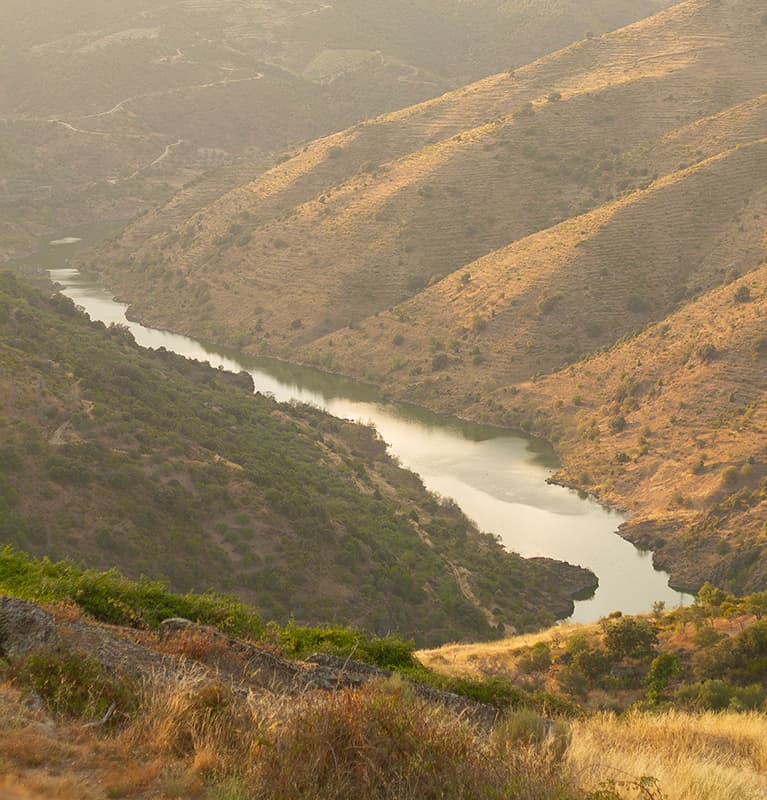
Arribes del Duero Natural Park is a protected area in western Spain, encompassing 1,061.05 km2 within the Castile and León region. It is renowned for its rich biodiversity and the dramatic landscapes carved by the Duero River, which forms the border with Portugal. The park's name, 'Arribes,' reflects these deeply eroded valleys and steep cliffs.

Caminito del Rey
The Caminito del Rey, meaning 'The King's Little Path,' is a walkway constructed in the early 20th century along the walls of a narrow gorge in Málaga, Spain. Originally built for workers of hydroelectric power plants, it became known for its dangerous sections, leading to its closure for over a decade before extensive renovations and its reopening in 2015. The walkway offers a dramatic experience through a landscape shaped by millions of years of geological processes.
Sierra y Cañones Guara
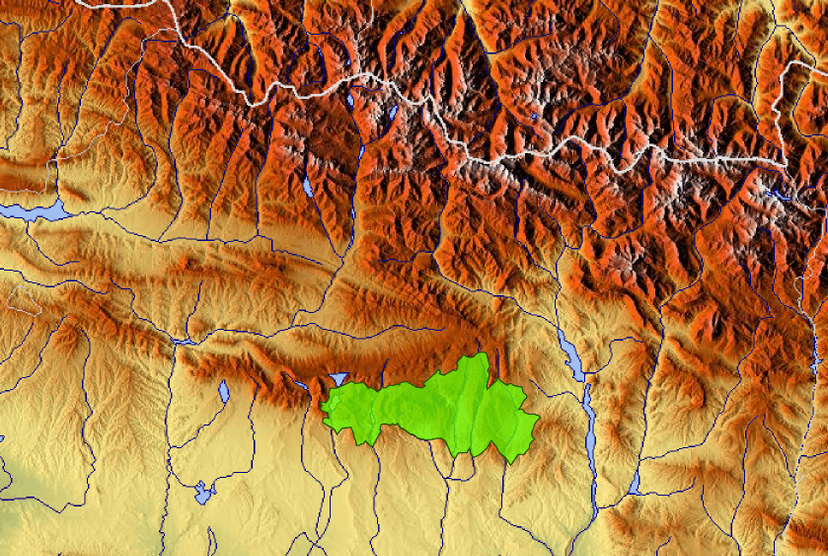
The Sierra y Cañones de Guara Natural Park is a protected area in the Sierra de Guara mountain range in the Province of Huesca, Aragon, northern Spain. Established in 1990, it encompasses a vast landscape characterized by significant altitude variations and unique geological formations, making it a notable natural reserve.