
Franklin Gorge
Sport Climbing Area·North America·Sandstone
Franklin Gorge is a sport climbing area located near the Spruce Knob–Seneca Rocks National Recreation Area in West Virginia. Developed in the early to mid-1990s by John Burcham and associates, it serves as a foundational climbing spot for many Mid-Atlantic climbers. The gorge features layered sandstone and limestone, offering a variety of climbing styles including sport, top rope, and some traditional routes.
Key Facts
- ›Primarily a sport climbing area with some top rope and traditional routes.
- ›Features layered sandstone and limestone rock formations.
- ›Holds are characterized by pockets and huecos.
- ›Developed by John Burcham and friends in the early to MID-1990s.
- ›Located on private land near Franklin, West Virginia.
- ›Considered a starting point for many MID-Atlantic climbers before progressing to more challenging areas like New River Gorge.
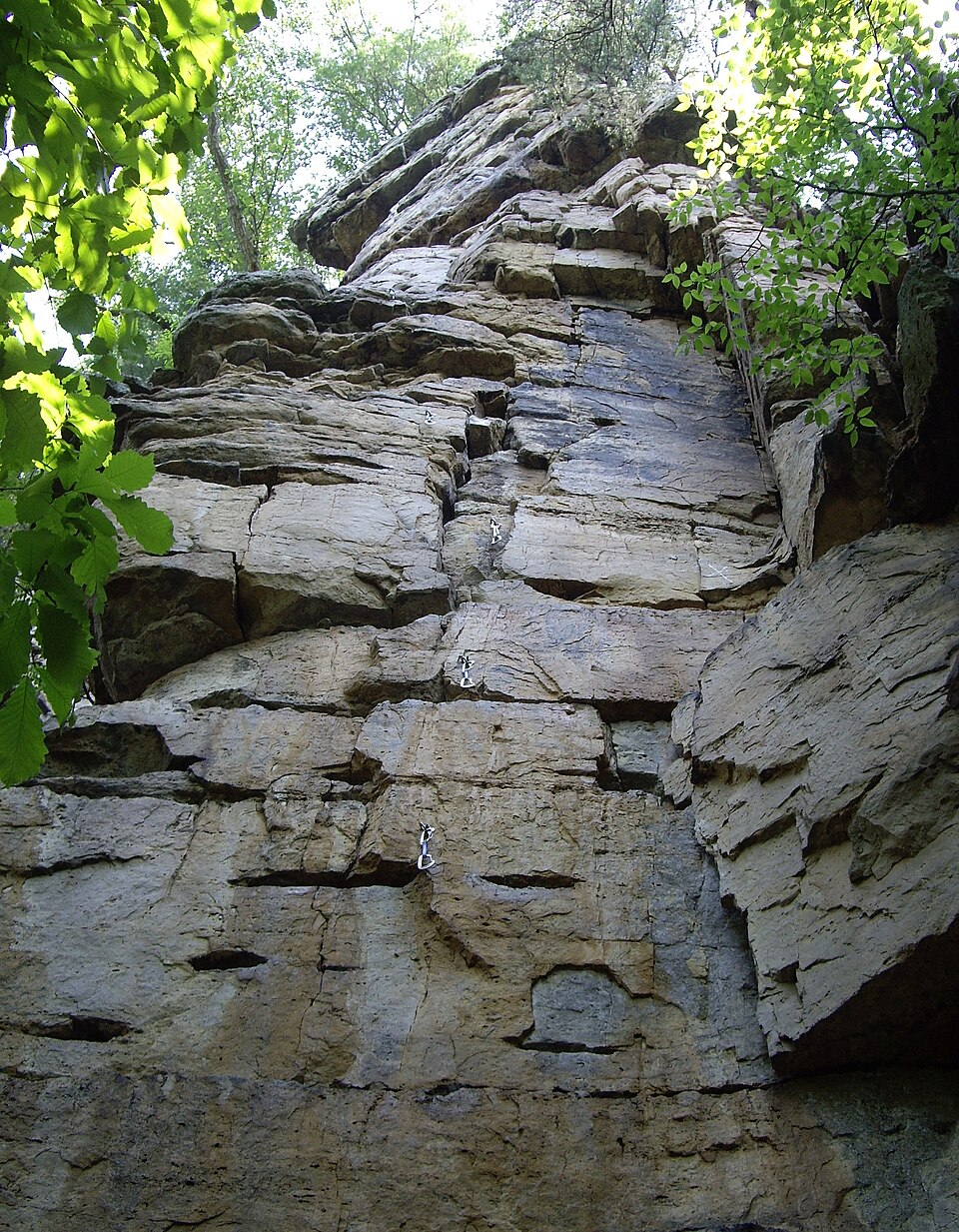
Franklin, Cranklin Gorge
Erosion
Pockets and Huecos As Climbing Holds, Layered Sandstone and Limestone
About Franklin Gorge
Franklin Gorge, also known simply as Franklin or Cranklin Gorge, is a notable sport climbing destination situated near the Spruce Knob–Seneca Rocks National Recreation Area in West Virginia. This climbing area was first brought to prominence and developed by John Burcham and his companions during the early to mid-1990s. It is located on private land and has become a foundational site for many climbers in the Mid-Atlantic region, serving as an initial training ground before they tackle more challenging ascents elsewhere, such as the New River Gorge.
Geology and Climbing Features
The geological composition of Franklin Gorge is characterized by layered sandstone and some limestone. These rock strata create distinct horizontal features, and the gorge is well-known for its abundance of pockets and huecos, which form the majority of the available climbing holds. The site accommodates various climbing disciplines, primarily sport and top rope climbing, with provisions for some traditional climbing routes as well.
Significance for Climbers
Franklin Gorge holds particular importance for the climbing community in the Mid-Atlantic. It is recognized as the initial location where many aspiring climbers gain experience on bolted rock climbing routes. This makes it a crucial stepping stone in the development of climbing skills for individuals progressing within the sport.
Source: Wikipedia ↗
Frequently Asked Questions
What type of climbing is available at Franklin Gorge?
Franklin Gorge offers mostly sport and top rope climbing. There are also some traditional climbing routes available for those seeking a different challenge.
What is the geology of Franklin Gorge?
The rock at Franklin Gorge is characterized by layered sandstone and some limestone. These formations create horizontal features and provide pockets and huecos which serve as the majority of the climbing holds.
Who developed Franklin Gorge as a climbing area?
The climbing spot was first discovered and developed by John Burcham and his friends. This development occurred during the early to mid-1990s.
Where is Franklin Gorge located?
Franklin Gorge is situated near the Spruce Knob–Seneca Rocks National Recreation Area. It is located near Franklin, West Virginia, and is on private land.
Is Franklin Gorge suitable for beginner climbers?
Yes, Franklin Gorge is noted as the first place many Mid-Atlantic climbers hone their skills on bolted rock climbing routes. Its varied routes make it a good spot for those new to the sport.
Related Canyons

Bad Branch Gorge
Bad Branch Gorge is a deep and narrow forested gorge in Letcher County, Kentucky, carved into the face of Pine Mountain. It is renowned for its significant biodiversity, protecting one of the largest concentrations of rare flora and fauna in the state, including unique species adapted to its shaded, moist conditions. The gorge features a 60-foot waterfall and is a protected nature preserve managed through collaborative efforts.
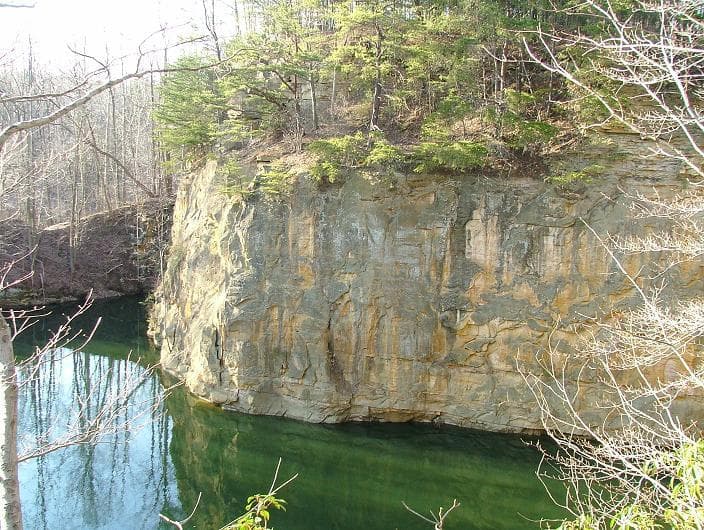
Blackhand Gorge
Blackhand Gorge is a 4-mile-long sandstone formation in Licking County, Ohio, carved by the Licking River. Named for a prehistoric petroglyph of a black hand, the gorge has served as a vital transportation corridor for centuries, hosting canal boats, railroads, interurban cars, and automobiles. Designated an Ohio Nature Preserve in 1975, it preserves a unique geological and historical landscape.
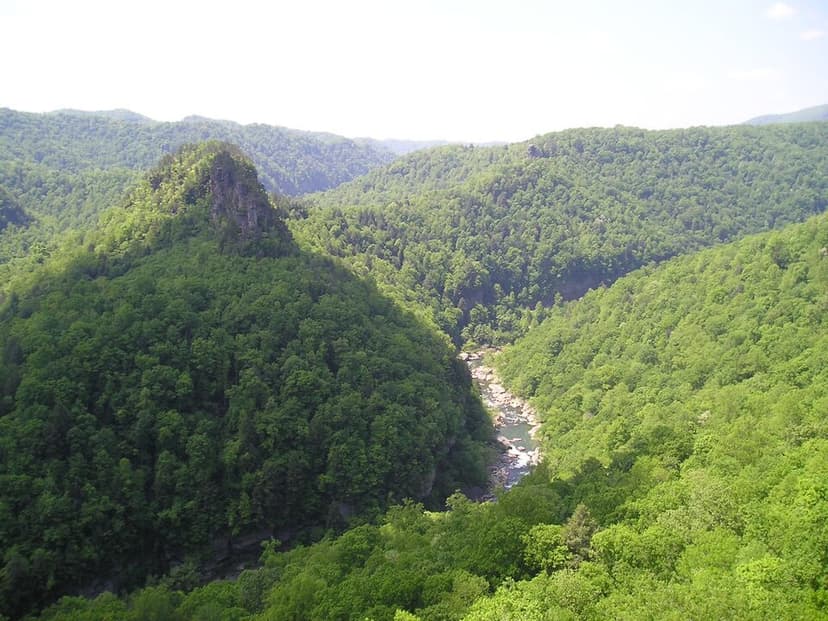
Breaks Canyon
Breaks Canyon, often referred to as "the Breaks" and sometimes called the "Grand Canyon of the South," is a significant gorge carved by the Russell Fork River in southeastern Kentucky and southwestern Virginia. This natural wonder, formed over millions of years of erosion, is a prominent feature within Breaks Interstate Park, a unique bi-state park managed jointly by Virginia and Kentucky.