
Grand Canyon of the Yellowstone
River Canyon·North America·Yellowstone River·Rhyolite
The Grand Canyon of the Yellowstone is a significant geological feature carved by the Yellowstone River in Yellowstone National Park, Wyoming. Its formation is primarily attributed to river erosion, accelerated by uplift and faulting associated with the Yellowstone Caldera, with notable contributions from massive flash floods at the end of the last glacial period. The canyon is renowned for its vibrant colors, dramatic drop-offs, and the presence of active hydrothermal features, making it a major natural wonder and tourist attraction.
Key Facts
- ›Approximately 39 km (24 miles) long, with depths ranging from 240 to 370 M (800 to 1,200 ft).
- ›Width varies between 0.40 to 1.21 km (0.25 to 0.75 miles).
- ›Formed primarily by Yellowstone River erosion, not glaciation.
- ›Colors are due to hydrothermal alteration of iron compounds in rhyolite rock, essentially 'rusting'.
- ›Features active geysers and hot springs, remnants of an ancient geyser basin.
- ›The canyon's formation was influenced by uplift and faulting from the Yellowstone Caldera.

River Erosion, Flash Floods, Tectonic Uplift, Faulting
Yellowstone River, Yellowstone Falls, Active Geysers, Hot Springs, Hydrothermally Altered Rhyolite, Uncle Tom's Trail
Mountain Sheep, Elk
Tall Pines
About Grand Canyon of the Yellowstone
The Grand Canyon of the Yellowstone is a prominent natural landmark located in Yellowstone National Park, Wyoming, marking the initial extensive gorge carved by the Yellowstone River downstream from Yellowstone Falls. This impressive canyon stretches approximately 39 kilometers (24 miles) in length, with depths ranging from 240 to 370 meters (800 to 1,200 feet) and widths varying between 0.40 to 1.21 kilometers (0.25 to 0.75 miles).
Geology and Formation
The canyon's formation is primarily a testament to the erosive power of the Yellowstone River. While glacial activity played a role in shaping the broader landscape, the specific V-shaped valley of the Grand Canyon of the Yellowstone is indicative of riverine erosion. Geological processes, including uplift and faulting associated with the Yellowstone Caldera, accelerated the river's ability to cut through the rock. A significant event in its formation involved massive flash floods occurring at the end of the last glacial period, approximately 14,000 to 18,000 years ago, which caused immediate and catastrophic erosion.
Hydrothermal Alteration and Coloration
A unique characteristic of the canyon is its vibrant coloration, a direct result of hydrothermal alteration. The rhyolite rock within the canyon walls contains various iron compounds. During the period when the area was an active geyser basin, the heat and chemical reactions altered these compounds. Subsequent exposure to the elements caused the rocks to oxidize, or "rust," leading to the diverse yellows, reds, greens, and blacks observed today. Evidence of this ongoing geothermal activity is still present, with active geysers and hot springs visible within and around the canyon.
Historical Significance and Access
Although local knowledge of the canyon existed among early trappers and prospectors, its existence was brought to wider public attention through the Cook–Folsom–Peterson Expedition of 1869 and the Washburn-Langford-Doane Expedition of 1870. These expeditions provided detailed accounts and descriptions that highlighted the canyon's grandeur. For visitors seeking a closer experience, Uncle Tom's Trail, a steep stairway, provides access to the base of the Lower Yellowstone Falls, allowing for an immersive view of the canyon's scale and power. The area is also a significant tourist attraction within Yellowstone National Park, drawing visitors to witness its geological wonders and scenic beauty.
Source: Wikipedia ↗
Frequently Asked Questions
How was the Grand Canyon of the Yellowstone formed?
The canyon was primarily formed by erosion from the Yellowstone River. Uplift and faulting associated with the Yellowstone Caldera accelerated this process. Massive flash floods at the end of the last glacial period also played a significant role in its catastrophic erosion.
What causes the vibrant colors in the canyon walls?
The striking colors are a result of hydrothermal alteration of rhyolite rock. Iron compounds within the rock were chemically altered by heat and water from ancient geyser basins. Exposure to the elements causes these iron compounds to oxidize, or 'rust,' creating the spectrum of colors seen today.
Are there active hydrothermal features within the canyon?
Yes, the canyon is a remnant of an ancient geyser basin and still exhibits active hydrothermal features. Geysers and hot springs are visible, showcasing the ongoing geological activity related to the underlying hot spot.
What are some notable historical descriptions of the canyon?
Early significant descriptions were publicized after the Cook–Folsom–Peterson Expedition of 1869 and the Washburn-Langford-Doane Expedition of 1870. Explorers like Charles W. Cook and Lt. Gustavus C. Doane documented its immense scale and striking geological features.
Is it possible to hike into the Grand Canyon of the Yellowstone?
Yes, the historic Uncle Tom's Trail, a steep stairway, descends to the base of the Lower Falls, offering a direct experience of the canyon's lower reaches. This trail is approximately a 3-mile hike.
Related Canyons

Chaco Canyon
Chaco Canyon, located in northwestern New Mexico, was a significant cultural and ceremonial center for the Ancestral Puebloans between 900 and 1150 CE. It is renowned for its "great houses," massive multi-story structures built from sandstone blocks and hauled timber, which were among the largest buildings in North America until the 19th century. The canyon's abandonment is believed to be linked to prolonged drought and climate change, leading to the migration of its inhabitants.

Barron Gorge
Barron Gorge is a dramatic gorge located in Queensland, Australia, carved by the Barron River as it descends the eastern escarpment of the Atherton Tablelands. Renowned for its spectacular waterfalls, particularly the Barron Falls which cascade 265 meters, the gorge is a significant natural landmark within the Wet Tropics World Heritage Area. Historically important for Indigenous peoples and later for hydroelectric power generation, it is now a protected national park and a popular tourist destination.
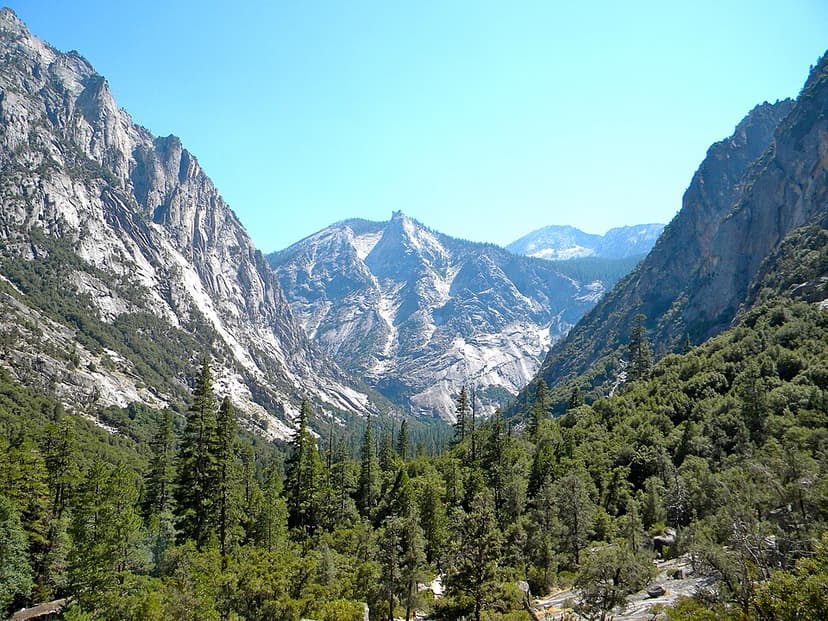
Kings Canyon
Kings Canyon is a rugged, glacier-carved valley in California's southern Sierra Nevada, renowned for its extreme vertical relief and natural beauty. Formed by Ice Age glaciations and subsequent river erosion, it is part of the larger Sequoia and Kings Canyon National Parks and is a significant protected wilderness area.