
Sabino Canyon
River Canyon·North America·Quaternary·Sabino Creek
Sabino Canyon is a significant canyon located in the Santa Catalina Mountains north of Tucson, Arizona, and is a popular recreation area. Formed over 12 million years ago, it features waterfalls along Sabino Creek and is home to diverse wildlife, making it a notable destination for outdoor activities.
Key Facts
- ›Located in the Santa Catalina Mountains and Coronado National Forest.
- ›Features waterfalls along Sabino Creek with minor bridges.
- ›Home to wildlife including deer, javelina, tortoises, rattlesnakes, and mountain lions.
- ›Part of the area where human occupants like the Hohokam people resided.
- ›The 1887 Sonora earthquake caused rockfalls within the canyon.
- ›The canyon is a popular recreation area with over a million visitors annually.

River Erosion, Tectonic Activity
Waterfalls, Sabino Dam, Historic Depression-Era Bridges and Stonework
Deer, Javelina, Skunks, Tortoises, Rattlesnakes, Mountain Lions, Owls, Scorpions
About Sabino Canyon
Sabino Canyon is a prominent natural landmark situated within the Santa Catalina Mountains, north of Tucson, Arizona, and managed as part of the Coronado National Forest. It is a highly frequented recreation destination for both local residents and visitors to Southern Arizona, offering a diverse range of outdoor activities such as walking, hiking, and horseback riding. The canyon is characterized by its picturesque waterfalls that cascade along Sabino Creek, with several small bridges constructed to traverse them.
Formation and Geological History
The geological narrative of Sabino Canyon began with the formation of the Santa Catalina Mountains over 12 million years ago. The mountain-building process concluded around the Tucson valley approximately 5 million years B.C. The present-day flora began to emerge between 6,000 and 8,000 years ago. A notable geological event impacting the canyon was the 1887 Sonora earthquake, which triggered massive boulder dislodgments from the canyon walls, leaving them scattered in the valley below.
Infrastructure and Access
In the early 20th century, the U.S. Forest Service took over the administration of Sabino Canyon in 1905. A significant period of development occurred during the Great Depression, when the Works Progress Administration and Emergency Relief Administration constructed Sabino Dam and nine bridges over Sabino Creek. These efforts were part of a larger project to build a road to the summit of Mount Lemmon; however, the steep terrain at the canyon's end prevented its full completion. Vehicle access into the canyon has been restricted since October 1978, when the first shuttle service began, allowing visitors to reach the upper canyon by foot, bicycle, or shuttle. Sabino Canyon Tours, founded in 1985, continues to offer guided experiences. The shuttle system has undergone changes, with electric shuttlebuses being introduced to replace older models.
Environmental Factors and Preservation
Sabino Canyon has experienced significant flooding events, such as the one on July 31, 2006, which damaged infrastructure, including a bridge at Rattlesnake Creek. The canyon faces pressures from urbanization and a high volume of visitors, exceeding one million annually. To address these challenges and fund preservation efforts, the independent non-profit organization Friends of Sabino Canyon was established in 1993. This organization has contributed substantial funds for various projects, including trail rehabilitation, water well development, educational exhibits, and the restoration of historic structures like the Lowell House Ranger Station and depression-era bridges. Friends of Sabino Canyon also organizes annual fundraising events, such as the "Music in the Canyon" concert.
Biodiversity
The canyon supports a variety of wildlife, including deer, javelina, skunks, tortoises, rattlesnakes, and mountain lions. Avian life is represented by owls, and scorpions are common in the region.
Source: Wikipedia ↗
Frequently Asked Questions
How was Sabino Canyon formed?
The formation of Sabino Canyon began with the Santa Catalina Mountains, which ceased formation around the Tucson valley approximately 5 million B.C. The canyon itself is primarily a result of erosion over millions of years, with specific geological events like the 1887 Sonora earthquake dislodging boulders that line its walls.
What kind of wildlife can be found in Sabino Canyon?
Sabino Canyon is home to a variety of wildlife. Common animals include deer, javelina, skunks, tortoises, rattlesnakes, and mountain lions. Birds such as owls are also present, and scorpions are very common in the area.
What are the recreational activities available in Sabino Canyon?
Sabino Canyon is a popular recreation area offering opportunities for walking, hiking, and riding. Visitors can also experience waterfalls along Sabino Creek, and access to the upper canyon is facilitated by a shuttle system.
What is the history of human presence in Sabino Canyon?
The earliest human occupants of Sabino Canyon were the Native American Hohokam people. Later, the U.S. Forest Service began administering the canyon in 1905, and during the Great Depression, various relief administrations constructed infrastructure like Sabino Dam and bridges.
How is Sabino Canyon managed and funded?
Sabino Canyon is administered by the U.S. Forest Service and is a popular recreation area. To help preserve and enhance the canyon, the independent non-profit organization Friends of Sabino Canyon was founded in 1993 to raise additional funds for projects and maintenance.
Related Canyons

Wind River Canyon
Wind River Canyon is a significant geological feature in Wyoming, carved by the Wind River. Its formation is a result of the river maintaining its course through an established path as the surrounding Owl Creek Mountains uplifted over the past two million years. The canyon is a popular scenic route, offering visitors views of diverse rock strata and natural landmarks, and serves as a gateway to Yellowstone National Park.

Aare Gorge
The Aare Gorge is a dramatic canyon carved through a limestone ridge near Meiringen, Switzerland, by the Aare River. Formed approximately 10,000 years ago by glacial meltwater erosion at the end of the Ice Age, this narrow passage features sheer cliffs and is a significant tourist attraction, partly due to its proximity to the famous Reichenbach Falls.
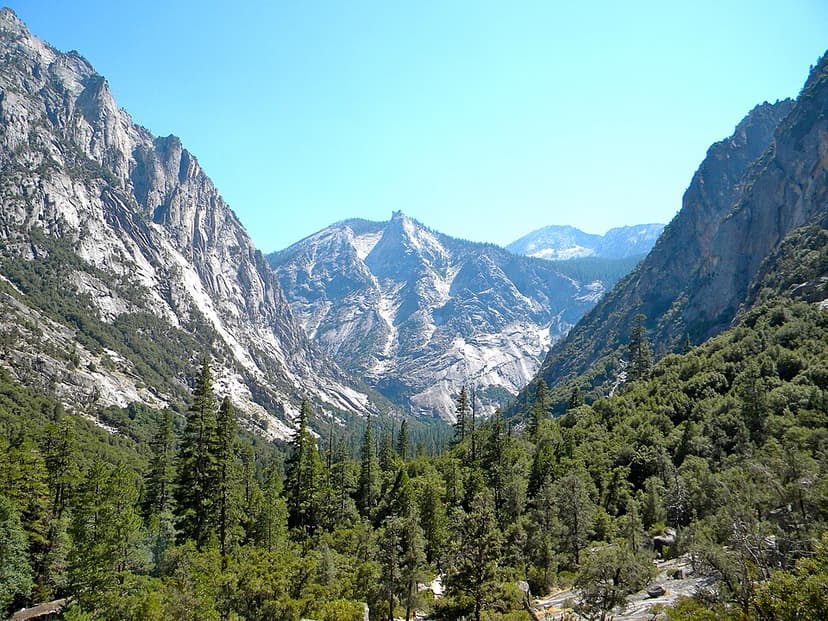
Kings Canyon
Kings Canyon is a rugged, glacier-carved valley in California's southern Sierra Nevada, renowned for its extreme vertical relief and natural beauty. Formed by Ice Age glaciations and subsequent river erosion, it is part of the larger Sequoia and Kings Canyon National Parks and is a significant protected wilderness area.