
Vikos Gorge
The Vikos Gorge is a dramatic gorge located in the Pindus Mountains of northwestern Greece, renowned for being the deepest canyon relative to its width in the world. Carved over millions of years by the Vikos Stream and the Voidomatis River, it showcases diverse geological strata and ecosystems. Historically, the area was utilized for pastoralism and is significant for its unique flora, with local healers known as "Vikos doctors" using medicinal herbs found within the gorge.
Key Facts
- ›Length: approximately 32 km (20 MI)
- ›Depth: ranging from 120 M to 1,350 M (4,429 ft)
- ›Width: ranging from 2,500 M (8,202 ft) to a few meters at its narrowest point
- ›Geological composition: Eocene limestone, Campanian strata, Jurassic and Cretaceous limestone, and Jurassic dolomite
- ›Recognized by Guinness Book of Records as the deepest gorge relative to its width
- ›Located within the Vikos–Aoös National Park

Vikos Canyon, Φαράγγι του Βίκου
River Erosion, Glacial Erosion, Karst Processes
Deepest Gorge Relative To Width, Diverse Geological Strata, Medicinal Herbs, Stone Bridges, Karst Drainage System
Chamois
Medicinal Herbs, Forests
About Vikos Gorge
The Vikos Gorge, also known as Vikos Canyon, is a spectacular natural landmark located in the Pindus Mountains of northwestern Greece. It is celebrated globally, notably by the Guinness Book of Records, as the world's "deepest relative to its width" gorge. The gorge stretches for approximately 32 kilometers, with its depth varying significantly from 120 meters to a maximum of 1,350 meters, and its width ranging from a broad 2,500 meters down to just a few meters at its narrowest point.
Formation and Geology
Carved over millions of years primarily by the Vikos Stream and its continuation, the Voidomatis River, the gorge displays a complex geological history. Its walls expose rock formations from various eras, beginning with relatively young Eocene limestone at the upper levels, followed by Campanian strata, and deeper layers of Jurassic and Cretaceous limestone. The deepest sections are dominated by grey Jurassic dolomite. The landscape has been further shaped by glacial activity during the Middle Pleistocene, with evidence of multiple glaciation phases and subsequent de-glaciation contributing to the erosion and sediment deposition seen today. The karst terrain has also developed an extensive underground drainage system.
Location and Significance
The Vikos Gorge is situated in the core zone of the Vikos–Aoös National Park, within the Zagori region. Its main section begins between the villages of Vitsa and Koukouli and concludes near the village of Vikos. The gorge is a site of significant scientific interest due to its largely pristine condition, its role as a haven for endangered species, and its diverse ecosystems. Historically, the area surrounding the gorge was utilized for pastoralism and as a source of firewood by local populations.
Flora and Fauna
The gorge is rich in plant life, with many herbs historically believed to possess medicinal properties. Local healers, colloquially known as "Vikos doctors," used these plants, often following ancient Greek recipes, gaining renown beyond Greece. Notable species include lemon balm, spearmint, and "mountain tea" (Sideritis raeseri). Fauna includes rare species like the chamois, which inhabits the higher, rocky cliffs.
Recreation and Access
Visitors can experience the grandeur of the Vikos Gorge through several viewpoints. Oxia offers a natural viewing platform over the deepest part of the gorge, accessible via a road from Monodendri. Another viewpoint, Beloi, is reached from Vradeto. Hiking trails provide opportunities to descend into the gorge, leading to the Voidomatis River springs or connecting to villages like Papingo and Vikos. Trails also allow for hikes south towards historic stone bridges near Kipi.
Human History
Archaeological findings, such as epipaleolithic artifacts from the Kleithi rock shelter, indicate ancient human presence. A Molossian settlement existed in the area between the 9th and 4th centuries BC. Despite its historical significance, the local population in the surrounding villages remained sparse for most of the historical period, with the gorge itself primarily serving utilitarian purposes for the nearby communities.
Source: Wikipedia ↗
Frequently Asked Questions
What makes the Vikos Gorge famous?
The Vikos Gorge is internationally recognized by the Guinness Book of Records as the deepest gorge in the world relative to its width. Its dramatic dimensions and ecological significance also contribute to its fame.
What is the geology of the Vikos Gorge?
The gorge's walls reveal rock formations spanning millions of years, from young Eocene limestone at the top to older Jurassic and Cretaceous limestone, with grey Jurassic dolomite in the deepest layers. Glacial activity and subsequent de-glaciation have also shaped its landscape.
What activities can visitors enjoy at Vikos Gorge?
Visitors can enjoy hiking trails that descend into the gorge and lead to the Voidomatis River springs or connect to nearby villages. Natural viewing platforms at Oxia and Beloi offer spectacular panoramic views of the gorge.
What kind of wildlife and plant life can be found in Vikos Gorge?
The gorge is a habitat for rare species like the chamois at higher altitudes. Many herbs with medicinal properties grow here, historically used by local healers known as 'Vikos doctors'.
Where is the Vikos Gorge located and how is it accessed?
The Vikos Gorge is situated in the Zagori region of northwestern Greece, within the Vikos–Aoös National Park. It begins between the villages of Vitsa and Koukouli and ends near Vikos village. Access points for viewing and hiking are available from villages like Monodendri and Vradeto.
Related Canyons
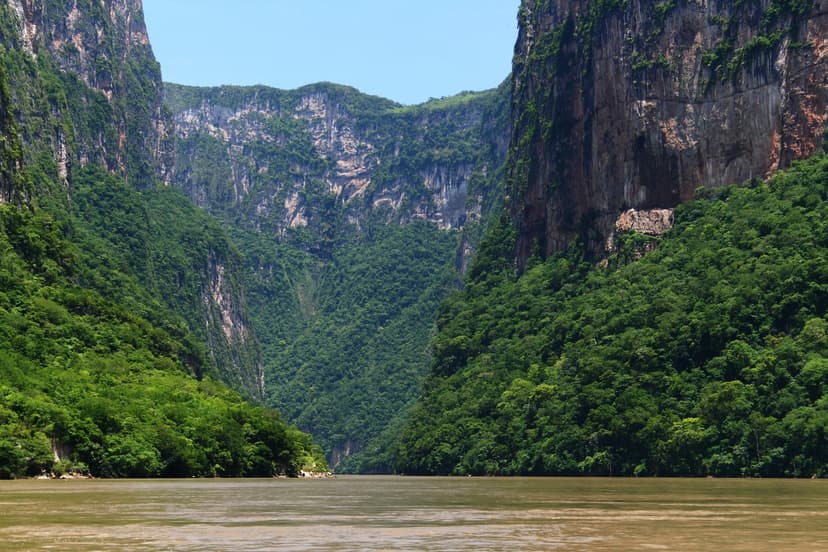
Sumidero Canyon
Sumidero Canyon is a deep natural canyon in Chiapas, southern Mexico, carved over millions of years by the Grijalva River. Its formation began concurrently with the Grand Canyon, shaped by tectonic crustal cracks and river erosion. The canyon is a significant natural landmark and a major tourist attraction, renowned for its towering vertical walls and unique geological formations, while also facing considerable environmental challenges.
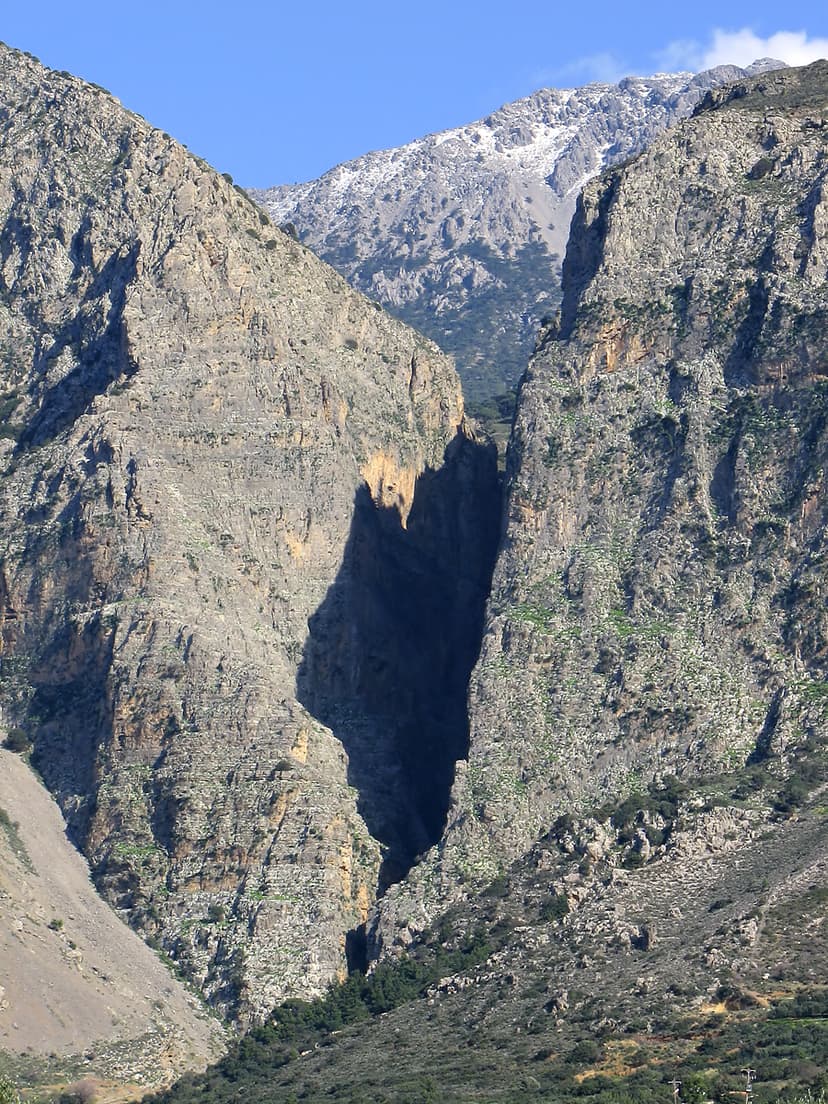
Ha Gorge
Ha Gorge is a remarkably narrow and deep gorge located on the eastern part of Crete, Greece. Formed by tectonic activity along the Ierapetra active fault, it is characterized by its sheer rocky walls and challenging accessibility. The gorge is significant for its rich biodiversity and the presence of important archaeological sites dating back to the Neolithic and Minoan periods.
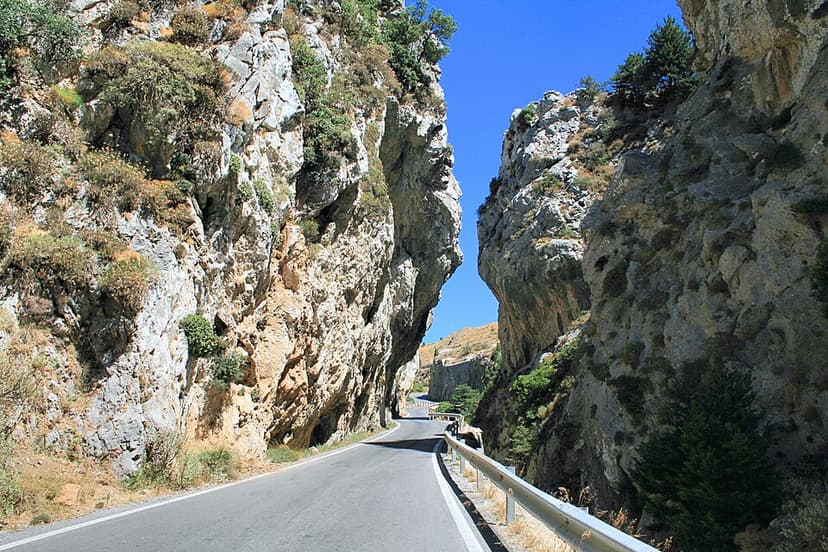
Kotsifos Gorge
The Kotsifos Gorge is a significant natural feature located on the southern side of western Crete, Greece. It is renowned for its rich biodiversity, hosting a high number of plant species endemic to Crete. The gorge lies west of the Kouroupa mountain and north of Plakias, accessible via the road connecting Sellia and Angouseliana.