
Windjana Gorge
River Canyon·Australia·Devonian·Lennard River
Windjana Gorge, also known as Bandiln͟gan, is a significant gorge located in the Kimberley region of Western Australia, within Windjana Gorge National Park. It was formed by the Lennard River eroding a 3.5-kilometer section of the ancient Devonian limestone Napier Range, which is over 300 million years old. The gorge is renowned for its easily accessible hiking trails during the dry season, permanent waterholes, and the visible marine fossils embedded in its walls, making it a popular tourist attraction.
Key Facts
- ›Located within Windjana Gorge National Park in Western Australia's Kimberley region.
- ›Formed by the Lennard River eroding a 3.5 km section of the Devonian limestone Napier Range.
- ›Napier Range formed over 300 million years ago, composed of Devonian limestone.
- ›Gorge walls are between 10 and 30 meters high.
- ›Features permanent waterholes and supports monsoonal vegetation.
- ›Visible fossils of shells and marine creatures are found on the rock walls.

Bandiln͟gan
River Erosion
Fossils of Marine Creatures, Permanent Waterholes, Monsoonal Vegetation
Freshwater Crocodiles
Monsoonal Vegetation
About Windjana Gorge
Windjana Gorge, also referred to by its Indigenous name Bandiln͟gan, is a striking natural formation located in the Kimberley region of Western Australia. It is situated within the boundaries of the Windjana Gorge National Park, making it a protected and accessible natural wonder. The gorge's existence is a testament to the powerful forces of river erosion, specifically by the Lennard River, which has carved a 3.5-kilometer path through the ancient Napier Range.
Geological Significance
The Napier Range, through which Windjana Gorge is cut, is geologically ancient, having formed over 300 million years ago. Its composition is primarily Devonian limestone, a rock type that preserves a rich history of ancient marine life. This geological heritage is evident within the gorge itself, where visitors can observe fossils of shells and other marine creatures embedded in the canyon walls. The gorge's dimensions add to its impressive character, with walls that stand between 10 and 30 meters high and an overall width exceeding 100 meters.
Natural Habitat and Accessibility
Despite its arid surroundings, Windjana Gorge is characterized by permanent waterholes that sustain a unique habitat of monsoonal vegetation. This consistent water source also supports wildlife, most notably freshwater crocodiles, which are known to inhabit the area. The gorge is a popular tourist destination, particularly for its accessibility during the dry season, allowing visitors to easily hike through its length and experience its natural beauty and historical significance.
Historical Context
The area around Windjana Gorge is deeply intertwined with the recent history of the Bunuba people. The late 19th century saw the gorge become a focal point for an armed insurrection led by Bunuba warriors Jandamarra and Ellemarra. A significant conflict occurred here in late 1894 when a large posse attacked Jandamarra and his followers. While Ellemarra was killed and Jandamarra wounded, the events that followed led to considerable hardship and violence against the Bunuba people.
Source: Wikipedia ↗
Frequently Asked Questions
How was Windjana Gorge formed?
Windjana Gorge was formed by the Lennard River eroding a 3.5-kilometer section of the Napier Range. This range is composed of Devonian limestone and was formed over 300 million years ago.
What are the dimensions of Windjana Gorge?
The gorge is over 100 meters wide, with walls ranging between 10 and 30 meters in height. The eroded section of the Napier Range is approximately 3.5 kilometers long.
What geological features can be seen at Windjana Gorge?
Visitors can observe fossils of shells and other marine creatures embedded in the rock walls. The gorge's walls are made of Devonian limestone, a testament to the ancient marine environment.
What activities are popular at Windjana Gorge?
The gorge is a popular tourist destination, particularly for hiking during the dry season. The permanent waterholes also support a unique habitat.
What wildlife is present in Windjana Gorge?
Freshwater crocodiles are known to frequent the area. The gorge also supports a habitat of monsoonal vegetation due to its permanent waterholes.
Related Canyons

Purnululu National Park
Purnululu National Park, located in the East Kimberley region of Western Australia, is a UNESCO World Heritage Site renowned for its spectacular Bungle Bungle Range. This remote wilderness area features unique beehive-shaped karst sandstone towers, sculpted by 20 million years of erosion and biological processes, showcasing exceptional geological interest and beauty.

Genesee River Gorge
Letchworth State Park is a vast New York State Park carved by the Genesee River, renowned for its deep gorge and three prominent waterfalls. Often called the "Grand Canyon of the East," the park's geological features were shaped by glacial activity and river erosion over Devonian bedrock, and it holds significant cultural and historical importance, including the legacy of its founder, William Pryor Letchworth, and the ancestral lands of the Seneca people.
Quechee Gorge
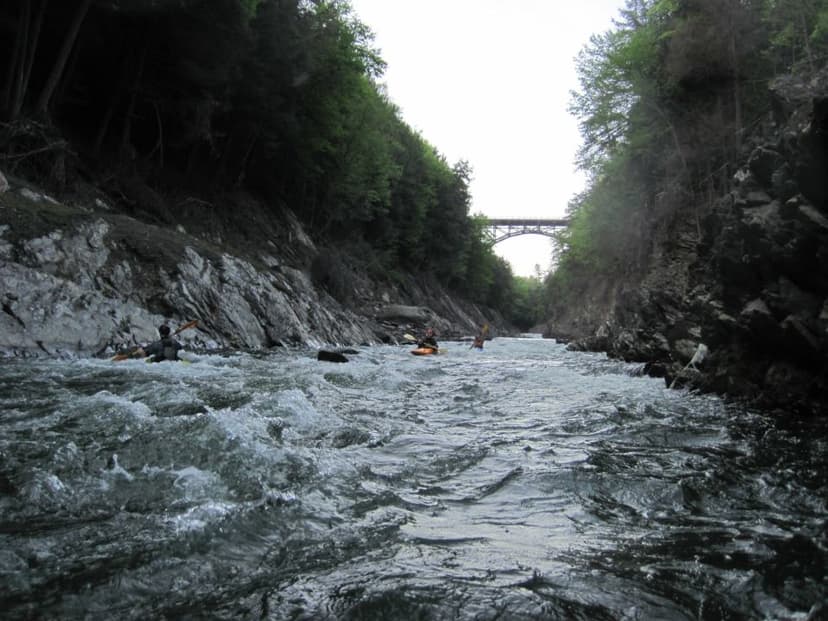
The Quechee Gorge in Vermont is the state's deepest gorge, carved approximately 13,000 years ago by the Ottauquechee River during the retreat of the Laurentide Ice Sheet. It is a significant geological feature, cutting through Devonian bedrock, and is a popular tourist destination offering scenic views and recreational opportunities along the river.