
Ceratozamia hildae
Evergreen tropical forests·Arborescent (above-ground stems after root system establishment)·Endangered
Ceratozamia hildae, commonly known as the Bamboo Cycad, is a species native to Mexico, thriving in moist, humid tropical forests. It is distinguished by its long, papery leaves that cluster at nodes, giving it a bamboo-like appearance, and an underground stem that initially develops a branched root system before producing above-ground stems.
Key Facts
- ›Native to the evergreen tropical forests of Mexico, specifically Hidalgo and San Luis Potosi.
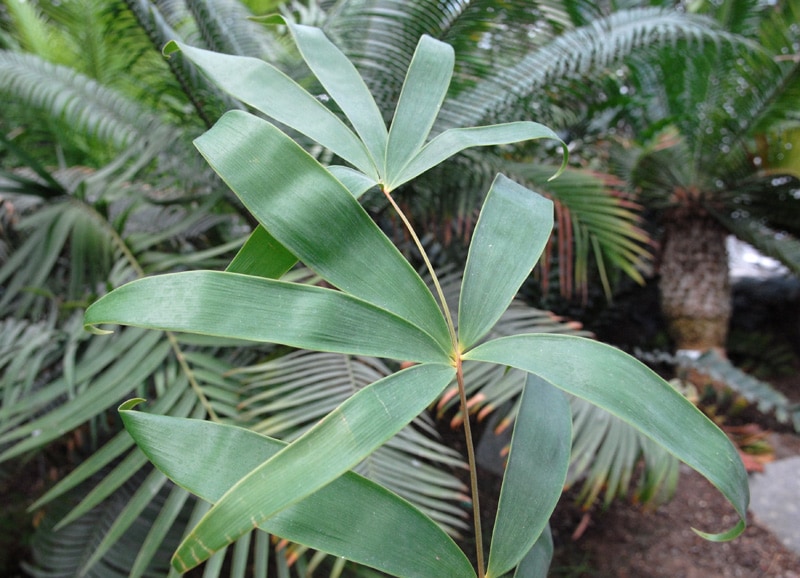
- ›Characterized by long, thin, papery leaflets that cluster at nodes, resembling bamboo.
- ›Possesses an underground stem that first develops a root system before producing above-ground stems.
- ›Produces both male and female cones, with seed cone maturation taking approximately 9 months.
- ›Faces endangerment due to habitat loss from deforestation and historical overharvesting.
Bamboo Cycad
Mexico, Hidalgo, San Luis Potosi
- Initially produces an underground stem
- Above-ground stems grow from an established root system
- Stems can grow taller than 12 inches
Long, up to 1.5 meters in length, Thin, papery leaflets, Leaflets cluster at nodes
- Produces Both Male and Female Cones
- Seed Cone Maturation Takes Approximately 9 Months
Released After Cones Rot, Take About 90 Days To Germinate
Ornamental Decoration
Deforestation, Overharvesting, Invasive Species, Climate Change, Urbanization, Illegal Harvesting
About Ceratozamia hildae
Ceratozamia hildae: The Bamboo Cycad
Ceratozamia hildae, commonly referred to as the Bamboo Cycad, is a distinctive species of cycad native to the evergreen tropical forests of Mexico, particularly in the regions of Hidalgo and San Luis Potosi. It is recognized for its unique morphology, which sets it apart from many other cycads. This species is characterized by its long, papery leaves, which can reach up to 1.5 meters in length, and the way its leaflets cluster at nodes, creating a visual resemblance to bamboo stalks. This characteristic gives the plant its common name and distinguishes it from the typically leathery leaflets found in its genus.
Botanical Characteristics and Growth
The growth habit of Ceratozamia hildae is notable. It initially develops an underground stem, from which a branched root system emerges. Only after this root system is established do above-ground stems begin to grow, which can exceed 12 inches in height. The plant produces both male and female cones, with the maturation of seed cones taking approximately nine months. The seeds are released when the pollinated cones decay and typically germinate within about 90 days. While popular in cultivation due to its relatively fast growth and adaptability to various light and temperature conditions, detailed scientific study of the species has been limited compared to its horticultural presence.
Conservation Status and Threats
Ceratozamia hildae is classified as endangered, facing significant threats to its survival in the wild. The primary drivers of this precarious status are habitat loss due to deforestation and historical overharvesting, which severely depleted wild populations in the mid-20th century. Further pressures include the spread of invasive species, the impacts of climate change, ongoing urbanization, and illegal harvesting. Despite its vulnerability in its natural habitat, the species is widely cultivated as an ornamental plant, which offers a potential safeguard for its long-term survival and the possibility of future reintroductions. However, conservation efforts have faced challenges, partly due to a disconnect between scientific conservation strategies and local community attitudes, which do not always prioritize the species' protection if direct economic benefits are not perceived.
Source: Wikipedia ↗
Frequently Asked Questions
What is the common name for Ceratozamia hildae?
Ceratozamia hildae is commonly known as the Bamboo Cycad. This name derives from the way its leaflets cluster at nodes, creating a visual resemblance to bamboo.
Where is Ceratozamia hildae found naturally?
This species is indigenous to Mexico, specifically found in the evergreen tropical forests of Hidalgo and San Luis Potosi, along the Sierra Madre Oriental.
What makes Ceratozamia hildae botanically unique?
A unique characteristic of Ceratozamia hildae is its long, papery leaflets, which contrast with the typically leathery leaflets of other cycad species. The leaflet clusters also contribute to its distinctive bamboo-like appearance.
What are the main threats to Ceratozamia hildae in the wild?
The primary threats to Ceratozamia hildae include deforestation, which diminishes its natural habitat, and historical overharvesting during the 1960s and 70s that significantly reduced wild populations. Invasive species, climate change, urbanization, and illegal harvesting also pose risks.
Is Ceratozamia hildae endangered?
Yes, Ceratozamia hildae is considered endangered and facing extinction. While it is widely cultivated, its wild populations are depleted and its habitat is shrinking, making extinction of wild populations likely.
How does Ceratozamia hildae reproduce?
Ceratozamia hildae produces both male and female cones. Seed cone maturation takes about 9 months, after which pollinated cones rot to release seeds that typically germinate within 90 days.
Related Cycad species

Cycas beddomei
Cycas beddomei is a species of cycad native to a small region in the Andhra Pradesh state of India, specifically the Tirumala Hills. It is characterized by erect, solitary stems topped with a crown of stiff, pinnate leaves and is found in scrubland and brush-covered hills. A unique feature is the fleshy layer within its seeds, which is believed to provide a water source, crucial for its survival in arid conditions.

Ceratozamia norstogii
Ceratozamia norstogii is a species of cycad belonging to the Zamiaceae family, native to the Sierra Madre de Chiapas in southwestern Mexico. This endangered plant is characterized by its unique botanical features and faces significant threats primarily from habitat loss.

Cycas angulata
Cycas angulata is the largest Australian species of cycad, distinguished by its tall, often branched stems and numerous grey-green to glaucous leaves reaching up to 1.7 meters in length. Native to the Northern Territory and northwest Queensland, it is occasionally cultivated as an ornamental plant and its seeds were historically used as a food source by Aboriginal Australians after careful detoxification.