
Cycas tropophylla
Limestone cliffs and karst landscapes within Cát Bà National Park and surrounding areas.·Typically a palm-like tree with a trunk and crown of leaves.
Cycas tropophylla, also known as the Ha Long cycad, is a species of cycad native to Vietnam. It is primarily found within Cát Bà National Park and on surrounding limestone cliffs, both on islands and the mainland. This cycad is characterized by its unique adaptation to its specific karst environment.
Key Facts
- ›Endemic to Vietnam, specifically the Ha Long Bay region.
- ›Found in Cát Bà National Park and on nearby limestone cliffs.
- ›Its common name, Ha Long cycad, refers to its geographical distribution.
- ›Adapted to the unique karst landscape of its native habitat.

Ha Long Cycad
Vietnam
About Cycas tropophylla
What is Cycas tropophylla?
Cycas tropophylla, commonly referred to as the Ha Long cycad, is a species of cycad that is endemic to Vietnam. This means it is found naturally only in this specific region. Its distribution is concentrated within the protected area of Cát Bà National Park, extending to neighboring islands and nearby limestone cliffs on the mainland.
Botanical Characteristics and Habitat
The Ha Long cycad is adapted to a very specific ecological niche. It thrives in the unique karst landscape characterized by limestone formations. This specialized habitat is crucial for its survival. While detailed botanical descriptions are not extensively provided, its classification within the Cycadaceae family suggests typical cycad features, such as a trunk-like stem and pinnately compound leaves, though specific characteristics of its stem, leaves, and reproductive cones are not detailed in the available information.
Source: Wikipedia ↗
Frequently Asked Questions
Where is Cycas tropophylla found?
Cycas tropophylla is found exclusively in Vietnam. Its natural range includes Cát Bà National Park and adjacent islands, as well as limestone cliffs on the nearby mainland.
What is another name for Cycas tropophylla?
Cycas tropophylla is commonly known as the Ha Long cycad, a name derived from the famous geological region where it is found.
What kind of environment does Cycas tropophylla inhabit?
This cycad thrives in a specific environment characterized by limestone cliffs and karst landscapes. It is adapted to the unique conditions presented by this type of terrain.
Related Cycad species
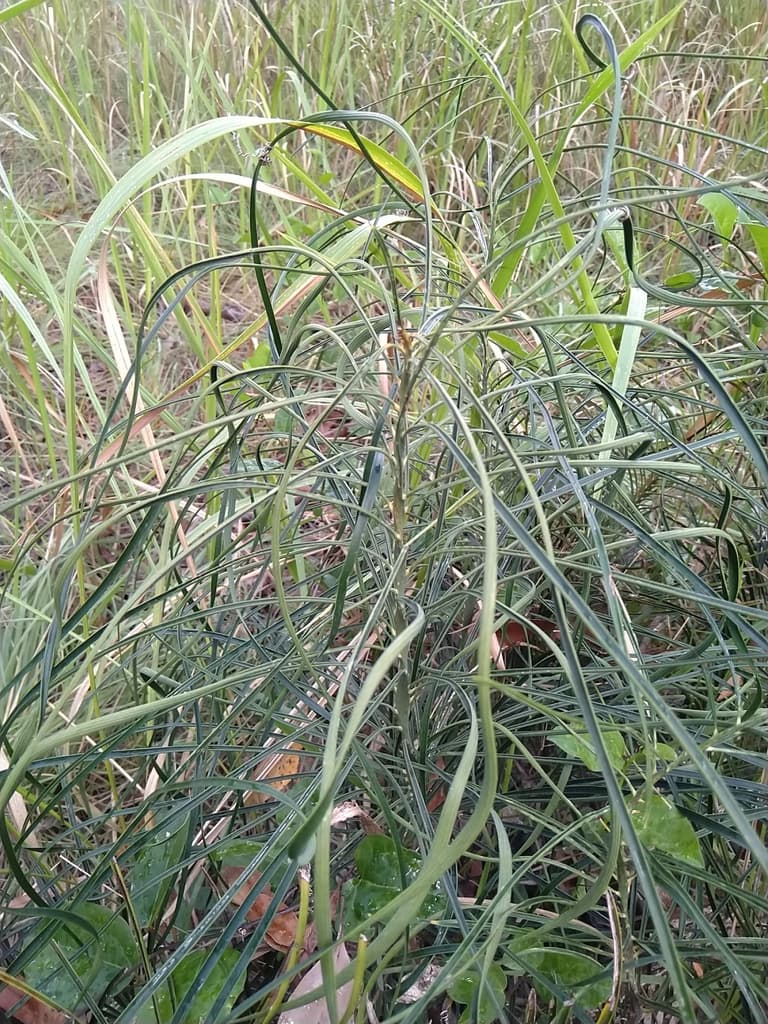
Macrozamia parcifolia
Macrozamia parcifolia is a species of cycad native to Australia, belonging to the Zamiaceae family. Its botanical characteristics are primarily defined by its classification within this family, though specific details regarding its morphology, habitat, and distribution are limited in available records.

Zamia montana
Zamia montana is a critically endangered cycad species endemic to the Antioquia Department of Colombia. Found in subtropical or tropical moist montane forests, this species is characterized by its extreme rarity and the significant threats posed by logging activities within its natural habitat. The species faces a high risk of extinction, with its only known population located in an area that has undergone recent logging.
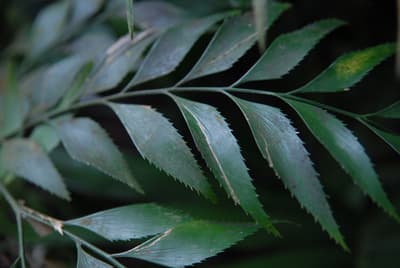
Bowenia serrulata
Bowenia serrulata, commonly known as the Byfield fern, is a unique cycad species belonging to the Stangeriaceae family. Despite its fern-like appearance due to its bipinnate fronds, it is botanically classified as a cycad. This species is endemic to a small region near Byfield, Australia.