
Bowenia serrulata
Its natural habitat is the specific region around Byfield, Australia, where it thrives in its native environment.·Arborescent (with a subterranean caudex)
Bowenia serrulata, commonly known as the Byfield fern, is a unique cycad species belonging to the Stangeriaceae family. Despite its fern-like appearance due to its bipinnate fronds, it is botanically classified as a cycad. This species is endemic to a small region near Byfield, Australia.
Key Facts
- ›Possesses bipinnate fronds, which contribute to its fern-like appearance.
- ›Grows from a subterranean caudex, meaning its main stem is found underground.
- ›Despite its common name, it is not a true fern but a cycad.
- ›Endemic to the area surrounding Byfield, Queensland, Australia.
- ›Belongs to the Stangeriaceae family.
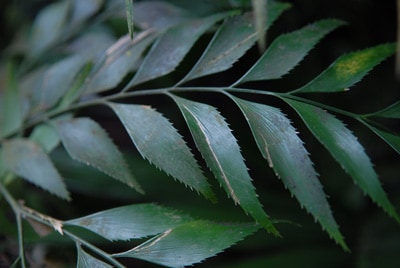
Byfield Fern
Australia
Subterranean Caudex
Bipinnate Fronds, Fern-Like Appearance
About Bowenia serrulata
Bowenia serrulata, widely recognized by its common name, the Byfield fern, is a distinctive species within the cycad group. Despite its common moniker and the fern-like appearance of its fronds, it is botanically classified as a cycad, belonging to the Stangeriaceae family.
Botanical Characteristics
The most striking feature of Bowenia serrulata is its bipinnate fronds, which unfurl to resemble those of a true fern. These fronds emerge from a subterranean caudex, meaning the plant's main stem or trunk grows entirely beneath the soil surface. This growth habit contributes to its unique aesthetic and differentiates it from many other cycad species.
Geographic Distribution and Habitat
Bowenia serrulata holds the distinction of being endemic to a very specific region in Australia. Its natural range is confined to the vicinity of Byfield, a locality in Queensland. This narrow geographic distribution underscores its specialized ecological requirements and the importance of conservation efforts within its limited native habitat.
Source: Wikipedia ↗
Frequently Asked Questions
What is Bowenia serrulata?
Bowenia serrulata is a species of cycad, commonly referred to as the Byfield fern. It is distinguished by its bipinnate fronds, which give it a superficial resemblance to a fern, although it is botanically classified as a cycad.
Where is Bowenia serrulata found?
This species is endemic to a specific region in Australia, primarily in the vicinity of Byfield, Queensland. Its natural distribution is quite limited to this area.
Why is it called the Byfield fern if it's a cycad?
The common name 'Byfield fern' arises from its appearance. Its bipinnate fronds, which are characteristic of ferns, lead to this common designation, even though it is a cycad.
What is a subterranean caudex?
A subterranean caudex refers to the main stem of the plant being located underground. For Bowenia serrulata, this means its trunk is not visible above the soil surface, with the fronds emerging from this underground structure.
Related Cycad species

Bowenia spectabilis
Bowenia spectabilis is a striking cycad species native to the rainforests of northeastern Queensland, Australia. Known for its unique, fern-like foliage, this species thrives in moist lowland forests and sheltered slopes. Its subterranean, yam-like rhizome has historically been utilized as a food source by Indigenous Australians.
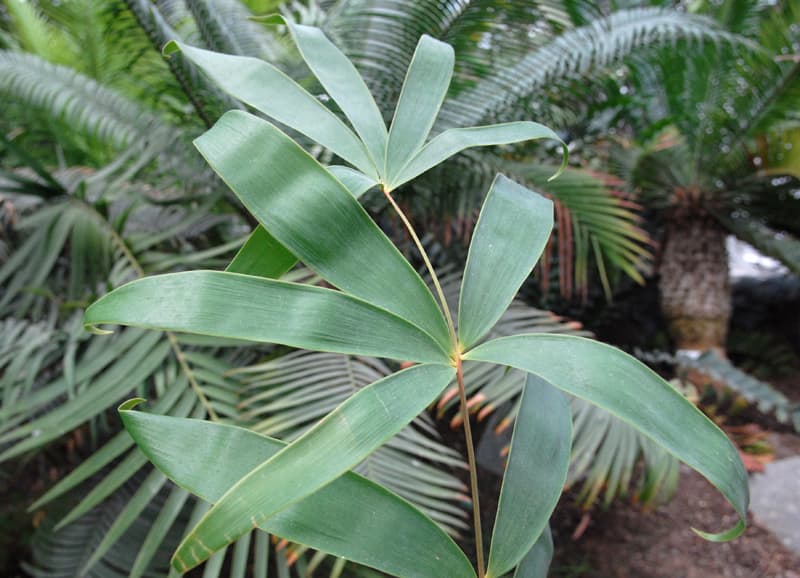
Ceratozamia hildae
Ceratozamia hildae, commonly known as the Bamboo Cycad, is a species native to Mexico, thriving in moist, humid tropical forests. It is distinguished by its long, papery leaves that cluster at nodes, giving it a bamboo-like appearance, and an underground stem that initially develops a branched root system before producing above-ground stems.

Ceratozamia kuesteriana
Ceratozamia kuesteriana is a cycad species native to the Sierra Madre Oriental of Mexico, specifically found in cloud forests of southern Tamaulipas. This species is characterized by its restriction to steep slopes within pine-oak ecosystems and faces significant threats from habitat loss and illegal collection, with its wild population estimated to be very small.