
Dioon tomasellii
Oak and pine-oak forest and woodland·Insect (Pharaxonotha novoia)
Dioon tomasellii is a species of cycad native to Mexico, found in several western states within oak and pine-oak forests. It is characterized by its obligate mutualistic relationship with the beetle Pharaxonotha novoia, which pollinates the cycad while living and breeding in its male cones. This species faces threats from habitat destruction and overcollection.
Key Facts
- ›Endemic to Mexico, found in Durango, Guerrero, Jalisco, Michoacán, and Nayarit.
- ›Inhabits oak and pine-oak forest and woodland environments.
- ›Engages in an obligate mutualistic relationship with the beetle Pharaxonotha novoia for pollination.
- ›Threatened by habitat destruction for agriculture and overcollection for horticulture.
- ›First described in 1984, with subsequent revisions to its classification.

Mexico
Habitat Destruction For Agriculture, Overcollection For Horticultural Purposes
About Dioon tomasellii
Dioon tomasellii is a species of cycad belonging to the Zamiaceae family, indigenous to Mexico. Its natural distribution spans several western Mexican states, including Durango, Guerrero, Jalisco, Michoacán, and Nayarit. This cycad species is found growing within the environments of oak and pine-oak forests and woodlands.
Botanical Significance and Mutualism
A notable aspect of Dioon tomasellii is its obligate mutualistic relationship with the beetle Pharaxonotha novoia. These beetles live and reproduce within the male cones of the cycad. In return for shelter and sustenance from pollen and cone tissues, the beetles play a crucial role in pollination by transferring pollen to the female cones. This specialized interaction highlights the intricate ecological connections within its native habitat.
Conservation Concerns
Dioon tomasellii faces significant threats to its survival in the wild. The primary dangers include the ongoing destruction of its habitat, largely driven by agricultural expansion, and the detrimental impact of overcollection for horticultural purposes. These pressures place the species at risk within its natural range.
Taxonomy and History
The species was first formally described in 1984. Subsequent taxonomic work led to a revision in 1997, during which one of its varieties was elevated to the status of a separate species, Dioon sonorense. This indicates ongoing research and refinement in understanding the genus Dioon.
Source: Wikipedia ↗
Frequently Asked Questions
Where is Dioon tomasellii found naturally?
Dioon tomasellii is endemic to Mexico. It can be found in the states of Durango, Guerrero, Jalisco, Michoacán, and Nayarit.
What kind of habitat does Dioon tomasellii prefer?
This cycad species thrives in oak and pine-oak forest and woodland environments. These are its typical natural habitats.
What are the main threats to Dioon tomasellii?
The primary threats to Dioon tomasellii are the destruction of its natural habitat for agricultural purposes and overcollection by people for horticultural interest.
Does Dioon tomasellii have any special relationships with other organisms?
Yes, Dioon tomasellii has an obligate mutualistic relationship with the beetle Pharaxonotha novoia. This beetle lives and breeds in the male cones, consuming pollen and tissues, and acts as a pollinator by transferring pollen to female cones.
When was Dioon tomasellii first described?
Dioon tomasellii was first described in the year 1984. Its classification was later revised in 1997.
Related Cycad species
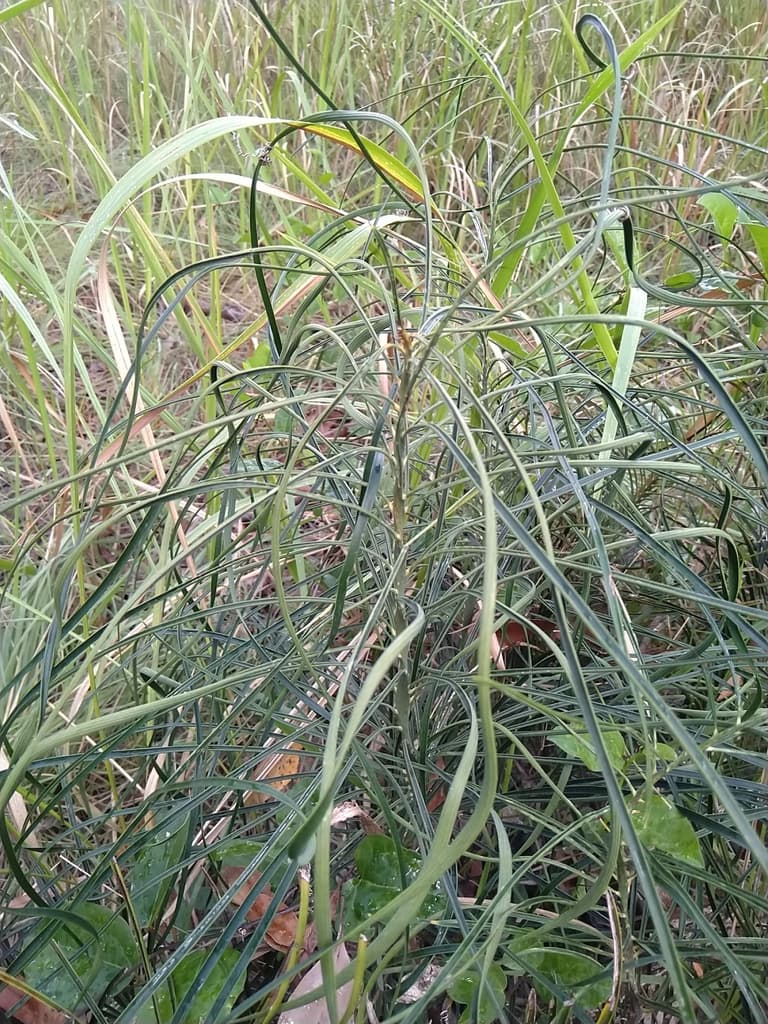
Macrozamia parcifolia
Macrozamia parcifolia is a species of cycad native to Australia, belonging to the Zamiaceae family. Its botanical characteristics are primarily defined by its classification within this family, though specific details regarding its morphology, habitat, and distribution are limited in available records.

Zamia montana
Zamia montana is a critically endangered cycad species endemic to the Antioquia Department of Colombia. Found in subtropical or tropical moist montane forests, this species is characterized by its extreme rarity and the significant threats posed by logging activities within its natural habitat. The species faces a high risk of extinction, with its only known population located in an area that has undergone recent logging.
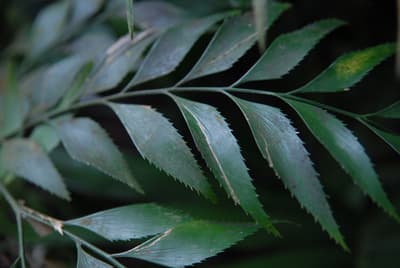
Bowenia serrulata
Bowenia serrulata, commonly known as the Byfield fern, is a unique cycad species belonging to the Stangeriaceae family. Despite its fern-like appearance due to its bipinnate fronds, it is botanically classified as a cycad. This species is endemic to a small region near Byfield, Australia.