
Encephalartos chimanimaniensis
Mountain grassland·Arborescent·Threatened
Encephalartos chimanimaniensis, commonly known as the Chimanimani cycad, is a species of cycad endemic to the Chimanimani Mountains of eastern Zimbabwe. This threatened species is characterized by its upright, unbranched stem and distinctive feather-like leaves with spiny leaflets. It plays a vital role in its mountain grassland habitat, though it faces significant threats from collectors.
Key Facts
- ›Endemic to the Chimanimani Mountains of eastern Zimbabwe.
- ›Possesses an upright, unbranched stem reaching up to 1.8 meters in height.
- ›Leaves are feather-like, measuring 100–150 cm long with spiny leaflets.
- ›Dioecious species with separate male and female plants.
- ›Male cones are large, oval-shaped, and green, while female cones are yellow-green and wider.
- ›Found in mountain grasslands at high altitudes with high rainfall.

Chimanimani Cycad
Zimbabwe
Upright, unbranched, Sometimes with additional stems from the base, Reaches up to 1.8 meters in height, Up to 45 cm in diameter
- Feather-like
- 100–150 cm long
- Made up of narrow leaflets
- Leaflets have small spines along the edges
- Leaflets are 12–18 cm long
- Leaflets arranged at an angle of 45-80° on the stem
- Male cones are oval-shaped, green, 1-3 in number, 50–70 cm in length, 8–10 cm in diameter, with large diamond-shaped parts containing pollen.
- Female cones are yellow-green, 35–40 cm long, 20–23 cm wide, found singly, with bumpy surfaces on seed-bearing parts.
Oblong, 20–30 mm In Length, 15–20 mm In Width, Covered With A Red Fleshy Sarcotesta
Cycad Collectors
About Encephalartos chimanimaniensis
Encephalartos chimanimaniensis: The Chimanimani Cycad
The Chimanimani cycad, scientifically known as Encephalartos chimanimaniensis, is a striking species of cycad that is native and restricted to the elevated mountain grasslands of the Chimanimani Mountains in eastern Zimbabwe. This species is notable for its robust, unbranched stem, which can reach heights of up to 1.8 meters and a diameter of 45 cm, sometimes producing additional stems from its base. Its foliage consists of large, feather-like leaves, typically 100–150 cm in length, adorned with narrow, spiny leaflets that are arranged at a distinct angle along the leaf stalk.
This cycad is dioecious, meaning individual plants are either male or female, a characteristic reflected in its reproductive structures. The male cones are substantial, oval and green, measuring up to 70 cm in length, while the female cones are shorter but wider, a vibrant yellow-green color, and possess a bumpy surface where the seeds develop. The seeds themselves are oblong and covered in a distinctive red, fleshy layer called a sarcotesta. The Chimanimani cycad is a key component of its high-altitude habitat, which receives abundant rainfall and is situated on granitic mountains. However, the species faces significant threats, primarily from illegal collection by cycad enthusiasts, leading to its classification as a threatened species with limited numbers remaining in the wild.
Source: Wikipedia ↗
Frequently Asked Questions
Where is the Chimanimani cycad found?
The Chimanimani cycad (Encephalartos chimanimaniensis) is found exclusively in the Chimanimani Mountains located in eastern Zimbabwe. Its natural habitat is within mountain grasslands at approximately 1,000 meters above sea level.
What are the main physical characteristics of Encephalartos chimanimaniensis?
This cycad species typically has an upright, unbranched stem that can grow up to 1.8 meters tall and 45 cm in diameter. Its leaves are feather-like, reaching 100–150 cm in length, and are composed of narrow leaflets with small spines along their edges.
How do the male and female cones of the Chimanimani cycad differ?
Encephalartos chimanimaniensis is dioecious, meaning it has separate male and female plants. Male cones are oval-shaped, green, and can be 50–70 cm long, while female cones are typically yellow-green, shorter at 35–40 cm, and significantly wider with bumpy surfaces.
What is the conservation status of the Chimanimani cycad?
The Chimanimani cycad is considered a threatened species. In 2003, estimates suggested between 500 and 1,000 plants remained in the wild, with later assessments indicating slightly higher numbers in specific locations.
What kind of habitat does Encephalartos chimanimaniensis prefer?
This cycad thrives in mountain grassland environments that receive high rainfall, exceeding 1,800 mm per year. It is typically found at an altitude of about 1,000 meters above sea level, often associated with granitic mountains containing schist and quartzite sediments.
Related Cycad species

Zamia acuminata
Zamia acuminata is a species of cycad found in the tropical forests of Costa Rica and Panama. It is characterized by its subterranean stem, long pinnately compound leaves with acuminate leaflets, and distinctive cream to tan reproductive cones. This species is notably threatened by habitat loss, highlighting the importance of its conservation.
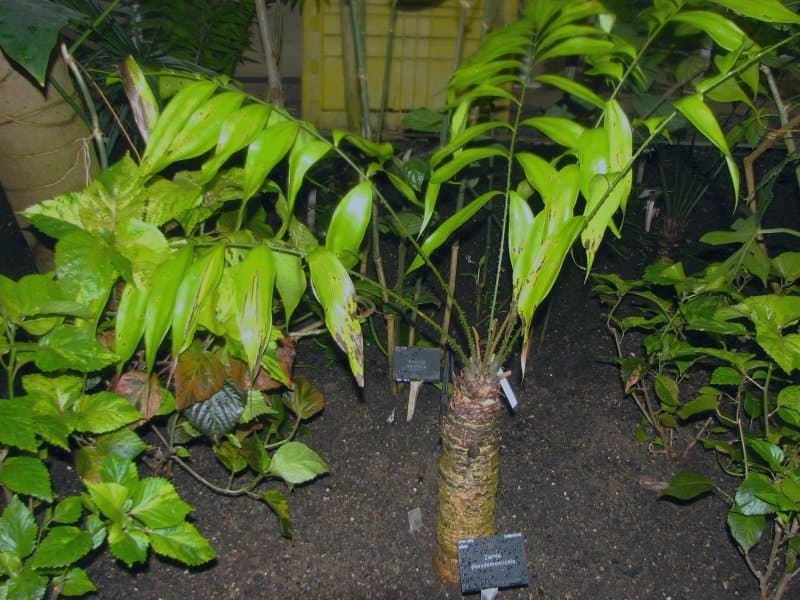
Zamia pseudomonticola
Zamia pseudomonticola is a species of cycad native to the montane forests of Costa Rica and Panama. It is characterized by its adaptation to subtropical and tropical moist mountain environments. A notable feature of this species is its obligatory mutualistic relationship with the beetle Pharaxonotha confusa, which acts as its primary pollinator.
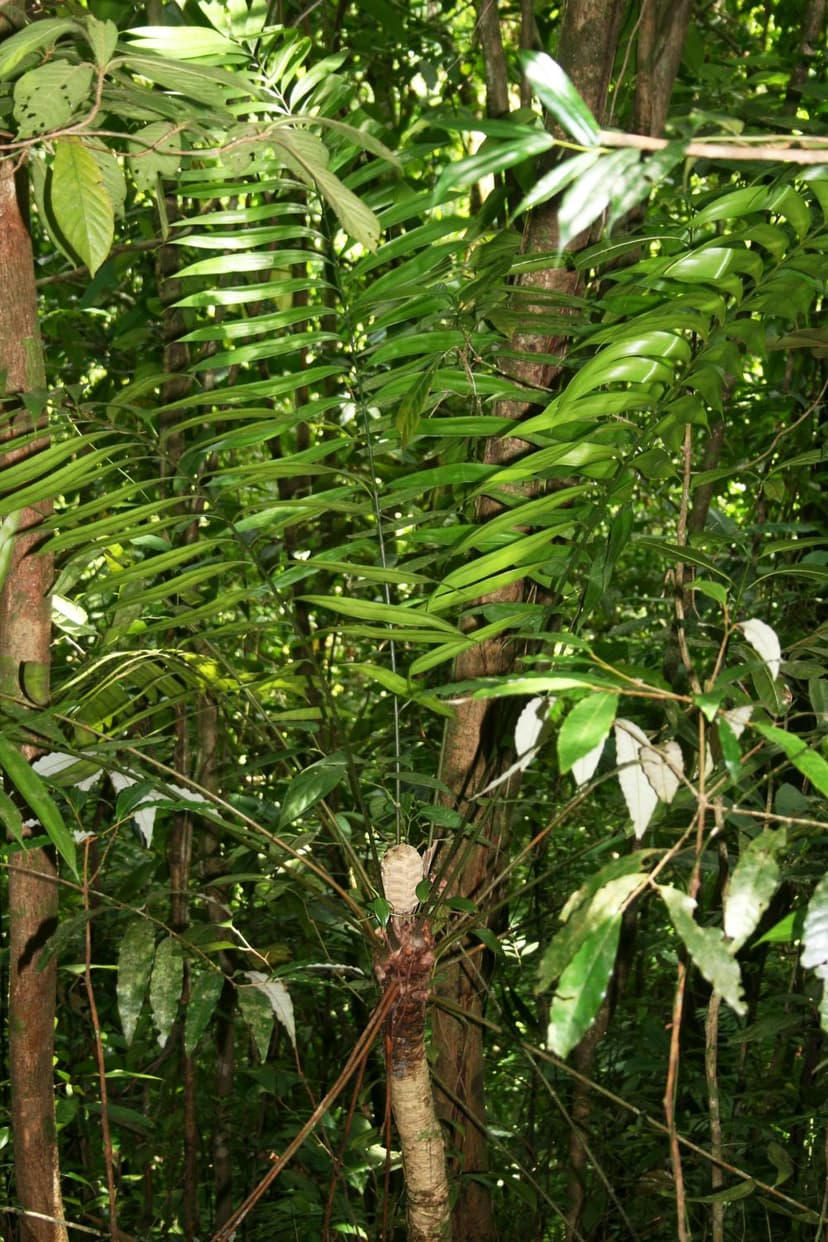
Zamia fairchildiana
Zamia fairchildiana is a species of cycad native to the rainforests of southeastern Costa Rica and western Panama. Characterized by its erect, tree-like stem and long, compound leaves adorned with prickles, this dioecious plant plays a crucial role in its ecosystem, particularly through its mutualistic relationship with the beetle Pharaxonotha confusa. Unfortunately, Zamia fairchildiana is currently threatened by habitat loss.