
Macrozamia humilis
Temperate shrubby woodland forests on granite soils
Macrozamia humilis is a cycad species native to Inverell, New South Wales, Australia. It thrives in temperate shrubby woodland forests on granite soils. This species is characterized by its unique botanical features adapted to its specific environmental niche.
Key Facts
- ›Endemic to Inverell, New South Wales, Australia.
- ›Found in temperate shrubby woodland forests.
- ›Grows on granite soils.
- ›Belongs to the Zamiaceae family.
- ›Distinctive cycad species adapted to its local habitat.
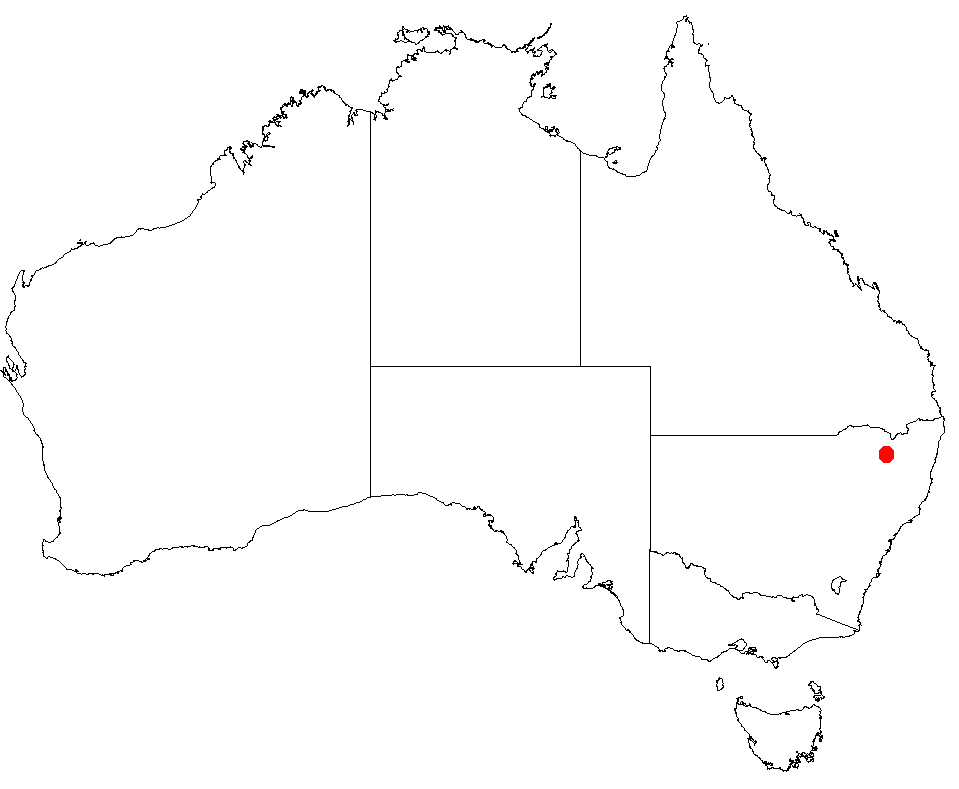
Inverell, New South Wales, Australia
About Macrozamia humilis
Macrozamia humilis is a species of plant belonging to the Zamiaceae family. This cycad is notable for its endemic status, being found exclusively in Inverell, New South Wales, Australia. Its natural environment consists of temperate shrubby woodland forests, where it typically grows on granite soils.
Botanical Characteristics
As a member of the Zamiaceae family, Macrozamia humilis shares characteristics with other cycads, though specific details regarding its growth form, stem, leaf, and cone morphology are not extensively documented in available records. Its adaptation to granite soils and temperate woodlands suggests a resilience to specific soil compositions and climatic conditions unique to its native region.
Source: Wikipedia ↗
Frequently Asked Questions
Where is Macrozamia humilis found naturally?
Macrozamia humilis is naturally found only in Inverell, New South Wales, Australia. It is endemic to this specific region.
What type of soil does Macrozamia humilis prefer?
This cycad species prefers to grow on granite soils. This soil type is characteristic of its natural habitat.
What is the natural habitat of Macrozamia humilis?
The natural habitat of Macrozamia humilis is temperate shrubby woodland forests. It is specifically adapted to these environments.
Which plant family does Macrozamia humilis belong to?
Macrozamia humilis belongs to the Zamiaceae family. This is a common family for many cycad species.
Related Cycad species
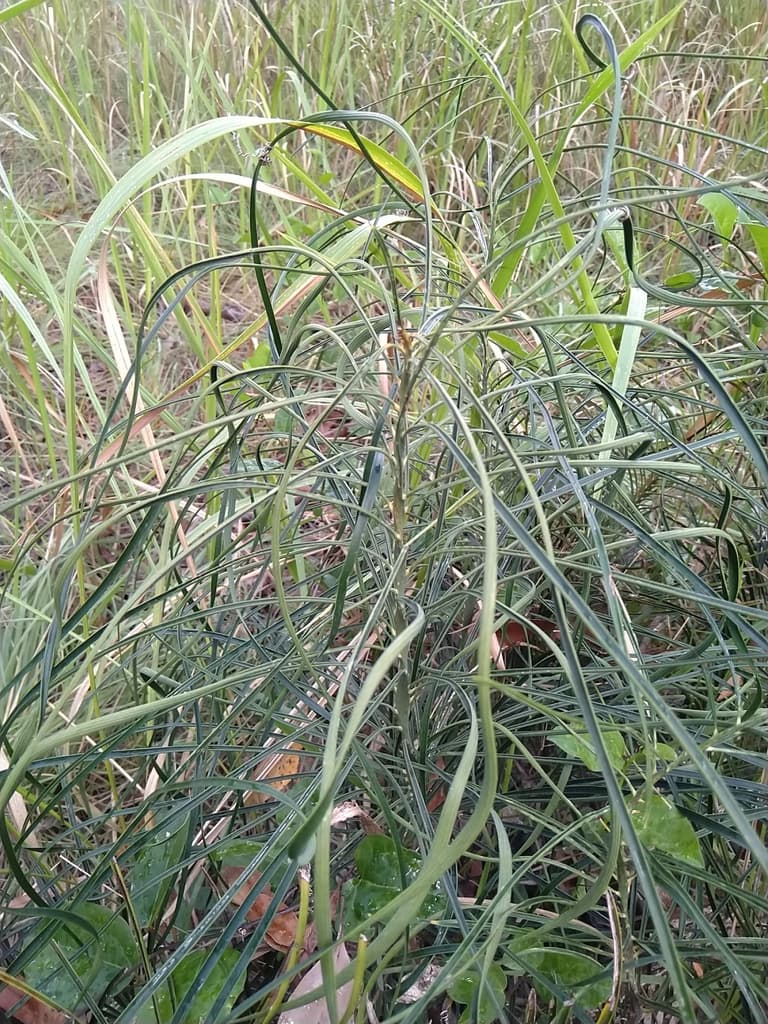
Macrozamia parcifolia
Macrozamia parcifolia is a species of cycad native to Australia, belonging to the Zamiaceae family. Its botanical characteristics are primarily defined by its classification within this family, though specific details regarding its morphology, habitat, and distribution are limited in available records.

Zamia montana
Zamia montana is a critically endangered cycad species endemic to the Antioquia Department of Colombia. Found in subtropical or tropical moist montane forests, this species is characterized by its extreme rarity and the significant threats posed by logging activities within its natural habitat. The species faces a high risk of extinction, with its only known population located in an area that has undergone recent logging.
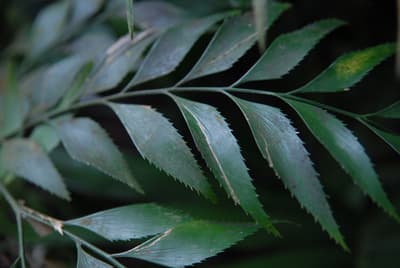
Bowenia serrulata
Bowenia serrulata, commonly known as the Byfield fern, is a unique cycad species belonging to the Stangeriaceae family. Despite its fern-like appearance due to its bipinnate fronds, it is botanically classified as a cycad. This species is endemic to a small region near Byfield, Australia.