
Zamia incognita
Likely a terrestrial cycad, typical of the Zamia genus, though specific growth form details are absent.
Zamia incognita is a species of cycad native to Colombia, belonging to the family Zamiaceae. This cycad is characterized by its specific endemic status within the Colombian landscape. Detailed botanical descriptions highlight its unique features within the broader cycad genus.
Key Facts
- ›Endemic to Colombia.
- ›Belongs to the Zamiaceae family.
- ›Represents a significant discovery in the field of gymnosperms.
- ›Its scientific name reflects its initially unknown status.
- ›Detailed botanical studies have been published on this species.

Colombia
About Zamia incognita
Zamia incognita is a species of cycad belonging to the Zamiaceae family. This plant holds particular significance as it is endemic to Colombia, meaning its natural occurrence is restricted solely to this South American nation. The discovery and formal description of Zamia incognita were considered an exciting event in the botanical world, adding a new gymnosperm to the known flora.
Botanical Discovery and Classification
The scientific name Zamia incognita itself hints at its history; the epithet 'incognita' is Latin for 'unknown,' reflecting that the species was not formally identified until relatively recently. Its classification within the Zamiaceae family places it among a group of ancient plants that are often referred to as living fossils. Research and publications, such as those detailing its discovery in Phytotaxa, have been instrumental in establishing its identity and distinguishing it from other closely related cycad species.
Geographic Significance
Being endemic to Colombia, Zamia incognita is a component of the country's rich biodiversity. The conservation and study of such endemic species are crucial for understanding and preserving regional ecological uniqueness. While specific details about its habitat and ecological role are subjects of ongoing study, its existence underscores the botanical treasures found within Colombia.
Source: Wikipedia ↗
Frequently Asked Questions
Where is Zamia incognita found naturally?
Zamia incognita is naturally found only in Colombia. It is endemic to this South American country, meaning it does not occur naturally anywhere else in the world.
What botanical family does Zamia incognita belong to?
Zamia incognita is classified within the Zamiaceae family. This family is one of the two families that constitute the living cycads.
What is significant about the discovery of Zamia incognita?
The discovery of Zamia incognita was considered exciting, representing the identification of a new gymnosperm species. This finding contributed to the understanding of plant biodiversity in Colombia.
What does the name 'incognita' suggest about this cycad?
The specific epithet 'incognita' suggests that the species was initially unknown or unrecognized by botanists. Its discovery and subsequent description marked the formal identification of this previously unrecorded cycad.
Related Cycad species
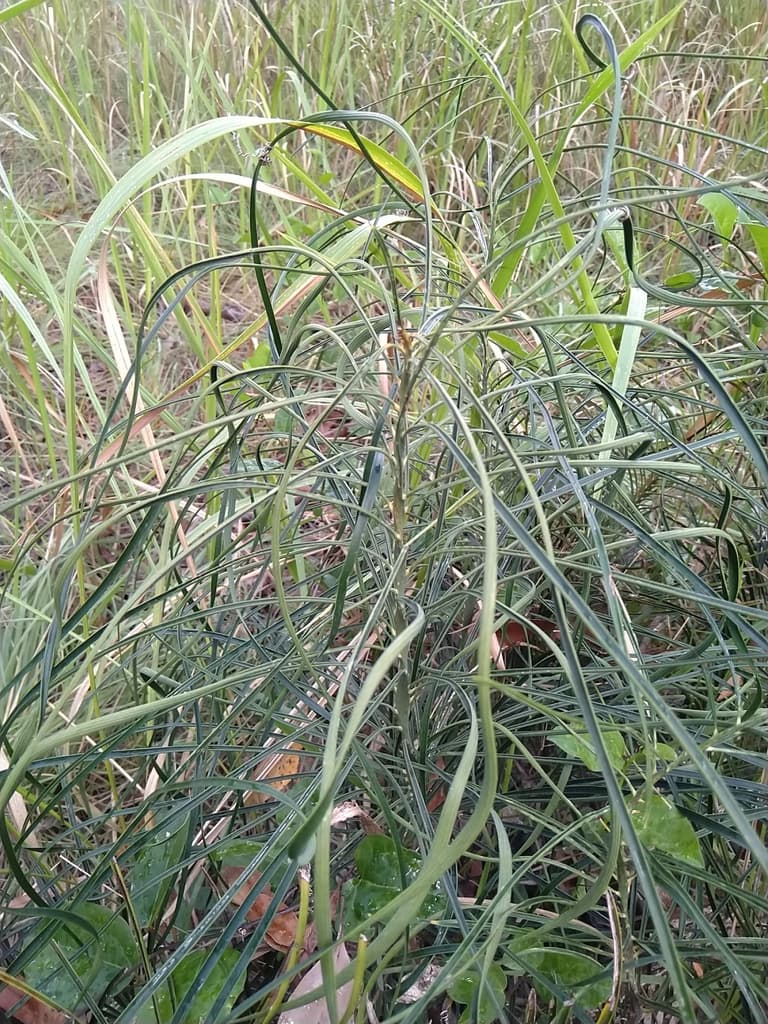
Macrozamia parcifolia
Macrozamia parcifolia is a species of cycad native to Australia, belonging to the Zamiaceae family. Its botanical characteristics are primarily defined by its classification within this family, though specific details regarding its morphology, habitat, and distribution are limited in available records.

Zamia montana
Zamia montana is a critically endangered cycad species endemic to the Antioquia Department of Colombia. Found in subtropical or tropical moist montane forests, this species is characterized by its extreme rarity and the significant threats posed by logging activities within its natural habitat. The species faces a high risk of extinction, with its only known population located in an area that has undergone recent logging.
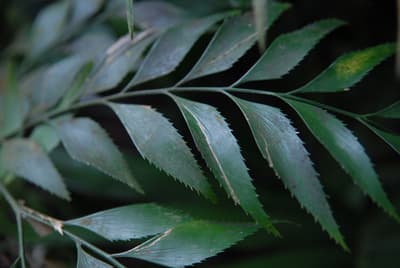
Bowenia serrulata
Bowenia serrulata, commonly known as the Byfield fern, is a unique cycad species belonging to the Stangeriaceae family. Despite its fern-like appearance due to its bipinnate fronds, it is botanically classified as a cycad. This species is endemic to a small region near Byfield, Australia.