
Zamia obliqua
Zamia obliqua is a species of cycad native to the lowland moist forests of Colombia and Panama. Commonly known as "chigua", this plant is a member of the Zamiaceae family. Its survival is threatened by ongoing habitat loss in its natural range.
Key Facts
- ›Native to Colombia and Panama.
- ›Inhabits subtropical or tropical moist lowland forests.
- ›Commonly referred to as "chigua".
- ›Belongs to the Zamiaceae family.
- ›Threatened by habitat loss.
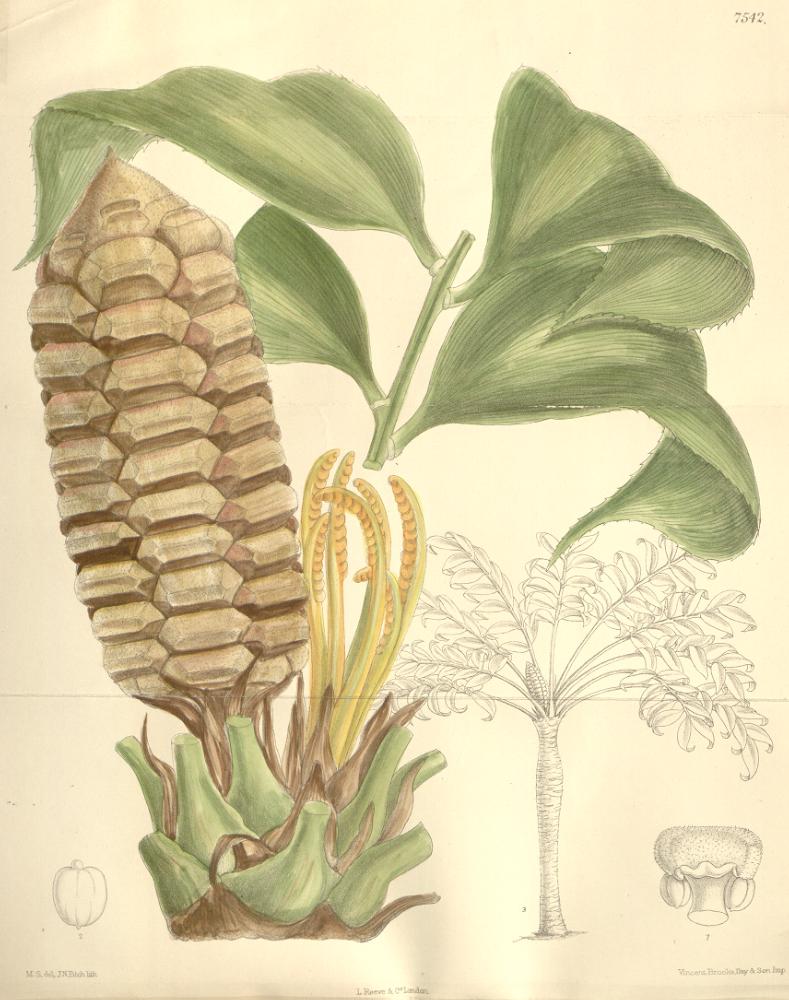
Chigua
Colombia, Panama
Habitat Loss
About Zamia obliqua
Zamia obliqua is a species of plant belonging to the Zamiaceae family, commonly known by the vernacular name "chigua." This cycad is indigenous to the regions of Colombia and Panama, where it is found inhabiting subtropical and tropical moist lowland forests. Its ecological niche is restricted to these specific humid, low-lying forest environments.
Conservation Concerns
Unfortunately, populations of Zamia obliqua are currently threatened by significant habitat loss. The ongoing destruction of its natural forest environments poses a major risk to the long-term survival of this species. Further information regarding its specific botanical characteristics, growth patterns, and reproductive biology is not extensively documented in available records.
Source: Wikipedia ↗
Frequently Asked Questions
Where is Zamia obliqua found naturally?
Zamia obliqua is naturally found in Colombia and Panama. Its geographic distribution is limited to these two countries.
What type of environment does Zamia obliqua prefer?
This cycad species thrives in subtropical or tropical moist lowland forests. These humid, low-lying forest environments provide its preferred habitat.
What are the common names for Zamia obliqua?
A common name for Zamia obliqua is "chigua". This is the most frequently used vernacular name for the species.
What family does Zamia obliqua belong to?
Zamia obliqua is a species within the Zamiaceae family. This family is known for its diverse range of cycad species.
What are the main threats to Zamia obliqua?
The primary threat to the survival of Zamia obliqua is habitat loss. This destruction of its natural environment jeopardizes its populations.
Related Cycad species

Zamia pseudoparasitica
Zamia pseudoparasitica is a unique cycad species endemic to Panama, notable for being the only known obligate epiphytic gymnosperm. It grows on the branches of forest trees, developing very long leaves and orange seeds. Its existence is closely tied to primary forests, where it faces threats from habitat loss.

Zamia tuerckheimii
Zamia tuerckheimii is a cycad species native to the Alta Verapaz region of Guatemala. Found in subtropical or tropical moist lowland forests, this plant is characterized by its unique botanical features and is currently facing threats due to habitat loss. The species was named in honor of the German plant collector Hans von Türckheim.

Ceratozamia robusta
Ceratozamia robusta is a cycad species native to subtropical and tropical moist lowland forests in Belize, Guatemala, and Mexico. It belongs to the Zamiaceae family and is characterized by its robust form, adapted to its specific forest habitat. The species is currently threatened by habitat loss.