
Zamia tuerckheimii
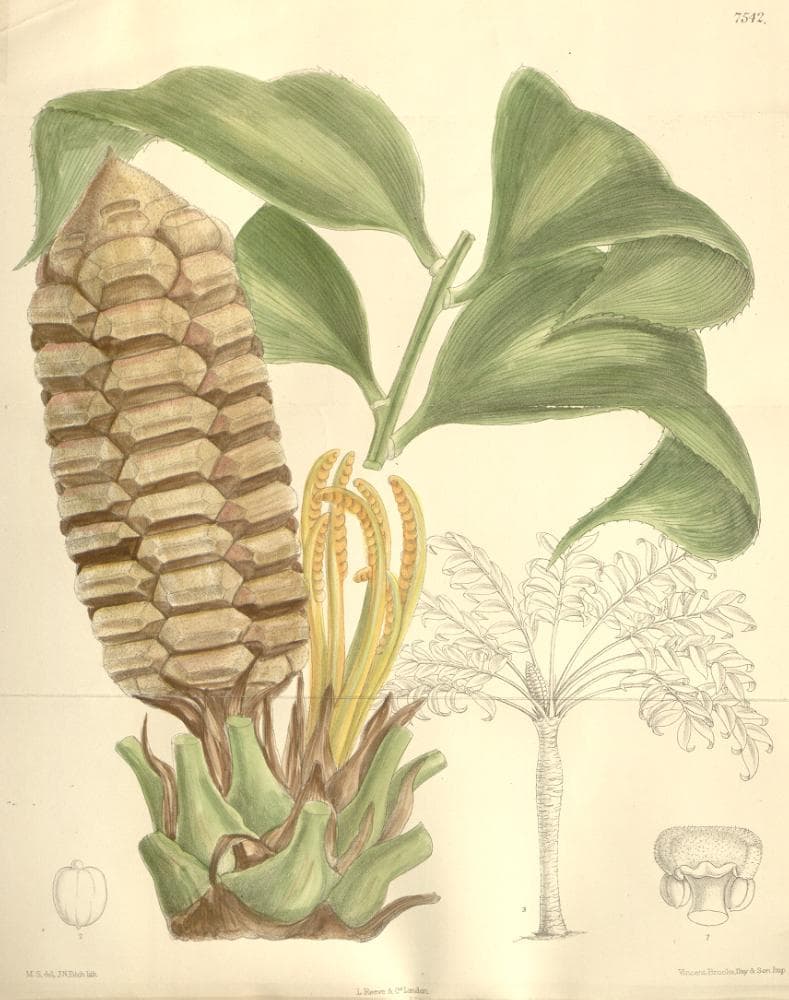
Zamia tuerckheimii is a cycad species native to the Alta Verapaz region of Guatemala. Found in subtropical or tropical moist lowland forests, this plant is characterized by its unique botanical features and is currently facing threats due to habitat loss. The species was named in honor of the German plant collector Hans von Türckheim.
Key Facts
- ›Endemic to Alta Verapaz, Guatemala.
- ›Inhabits subtropical or tropical moist lowland forests.
- ›Threatened by habitat loss.
- ›Named after German plant collector Hans von Türckheim.
- ›Belongs to the Zamiaceae family.

Alta Verapaz, Guatemala
Habitat Loss
About Zamia tuerckheimii
Zamia tuerckheimii is a species of cycad belonging to the Zamiaceae family. This plant is distinguished by its specific botanical characteristics and its restricted geographic distribution. It is known to be endemic to the Alta Verapaz region of Guatemala, where it naturally occurs within subtropical or tropical moist lowland forest environments.
Botanical Significance and Naming
The species was named in honor of Hans von Türckheim, a German plant collector whose work contributed to the understanding and documentation of plant life. The scientific name, Zamia tuerckheimii, serves as a lasting tribute to his efforts in the field of botany.
Habitat and Conservation Concerns
Zamia tuerckheimii thrives in humid, lowland forest ecosystems characteristic of its native range in Guatemala. Unfortunately, like many plant species, it faces significant threats to its survival. The primary concern identified for Zamia tuerckheimii is habitat loss, which directly impacts its ability to persist in its natural environment. Further research and conservation efforts are crucial to ensure the future of this unique cycad species.
Source: Wikipedia ↗
Frequently Asked Questions
What is Zamia tuerckheimii?
Zamia tuerckheimii is a species of plant belonging to the Zamiaceae family. It is a type of cycad, characterized by its specific botanical features and natural habitat.
Where is Zamia tuerckheimii found?
This cycad species is endemic to Alta Verapaz, Guatemala. Its natural range is restricted to this specific geographic region.
What kind of habitat does Zamia tuerckheimii prefer?
Zamia tuerckheimii thrives in subtropical or tropical moist lowland forests. This type of environment provides the necessary conditions for its growth and survival.
What are the main threats to Zamia tuerckheimii?
The primary threat to Zamia tuerckheimii is habitat loss. This loss of its natural environment endangers the species' population and long-term survival.
Who was Zamia tuerckheimii named after?
The species was named in honor of Hans von Türckheim, a notable German plant collector. His contributions to botany are recognized through this species' designation.
Related Cycad species

Zamia pseudoparasitica
Zamia pseudoparasitica is a unique cycad species endemic to Panama, notable for being the only known obligate epiphytic gymnosperm. It grows on the branches of forest trees, developing very long leaves and orange seeds. Its existence is closely tied to primary forests, where it faces threats from habitat loss.

Ceratozamia miqueliana
Ceratozamia miqueliana is a cycad species native to the subtropical or tropical moist lowland forests of Chiapas and Veracruz, Mexico. This species, found in areas like Coatzacoalcos and Santiago Tuxtla, is characterized by its adaptation to specific forest habitats. Unfortunately, Ceratozamia miqueliana is currently threatened by significant habitat loss.
Zamia obliqua
Zamia obliqua is a species of cycad native to the lowland moist forests of Colombia and Panama. Commonly known as "chigua", this plant is a member of the Zamiaceae family. Its survival is threatened by ongoing habitat loss in its natural range.