
Zamia pseudoparasitica
Subtropical or tropical moist lowland forests·Epiphytic·Insect (Notorhopalotria taylori beetle)·Endangered
Zamia pseudoparasitica is a unique cycad species endemic to Panama, notable for being the only known obligate epiphytic gymnosperm. It grows on the branches of forest trees, developing very long leaves and orange seeds. Its existence is closely tied to primary forests, where it faces threats from habitat loss.
Key Facts
- ›It is the only known epiphytic species of the genus Zamia.
- ›It is the sole obligate epiphytic gymnosperm, meaning it exclusively grows on other plants.
- ›Native to the Atlantic side of Panama's isthmus in subtropical or tropical moist lowland forests.
- ›Possesses very long leaves, often exceeding 3 meters in length.
- ›The beetle Notorhopalotria taylori is believed to be its primary pollinator.
- ›Orange seeds are dispersed by animals such as northern olingos, toucans, or fruit-eating bats.

Panama
Very Short Trunk
Long Leaves Over 3 m Long
Male Cones Host Pollinator Beetles, Seeds Are Orange
Orange Seeds
Ornamental
Habitat Loss
About Zamia pseudoparasitica
Zamia pseudoparasitica is a highly distinctive species within the cycad family, distinguished by its unique ecological niche and geographic restriction. Endemic to Panama, this plant is the sole known species of the genus Zamia that exhibits an epiphytic growth habit, meaning it grows on other plants, typically trees, rather than directly on the ground. Furthermore, it holds the remarkable status of being the only obligate epiphytic gymnosperm documented, underscoring its specialized adaptation to arboreal life.
Habitat and Ecology
This cycad thrives in the humid subtropical or tropical lowland forests found on the Atlantic side of the Panamanian isthmus. Its natural habitat is crucial for its survival, as it has demonstrated a significant inability to re-colonize secondary forests, even after decades. The species faces a considerable threat from habitat loss, which directly impacts its limited range. Ecologically, the beetle Notorhopalotria taylori plays a vital role as the primary pollinator, often residing within the male cones. Seed dispersal is thought to be facilitated by local fauna, including northern olingos, toucans, and potentially fruit-eating bats.
Botanical Characteristics
Botanically, Zamia pseudoparasitica is characterized by a very short trunk, from which exceptionally long leaves emerge, frequently exceeding three meters in length. Its root system is also notable for its potential to grow extensively, sometimes reaching and anchoring into the ground from its elevated position, with documented taproots extending up to 15 meters. The reproductive structures include cones, and its seeds are a striking orange color.
Conservation and Cultivation
Due to its reliance on primary forest ecosystems and susceptibility to habitat destruction, Zamia pseudoparasitica is considered endangered. Conservation efforts are vital to protect its natural populations. In horticultural contexts, attempts have been made to cultivate this unique cycad, often with success in hanging baskets. Successful cultivation requires specific conditions, including watering with soft, slightly acidic water and maintaining a consistently moist substrate composed of materials like coco chips, bark, moss, pumice, and perlite.
Source: Wikipedia ↗
Frequently Asked Questions
What makes Zamia pseudoparasitica unique among gymnosperms?
Zamia pseudoparasitica is distinguished as the only known obligate epiphytic gymnosperm. This means it exclusively grows on other trees, not on the ground, which is highly unusual for gymnosperms.
Where is Zamia pseudoparasitica found naturally?
This cycad species is endemic to Panama, specifically inhabiting subtropical or tropical moist lowland forests located on the Atlantic side of the isthmus.
What are the characteristics of its leaves and trunk?
Zamia pseudoparasitica has a very short trunk, but its leaves are remarkably long, often exceeding 3 meters in length. Its root system can also be extensive, sometimes reaching the ground from its arboreal position.
How does Zamia pseudoparasitica reproduce?
Pollination is primarily carried out by the beetle Notorhopalotria taylori, which lives within the male cones. The orange seeds are then thought to be dispersed by various animals, including northern olingos, toucans, and fruit-eating bats.
What are the conservation concerns for this species?
The primary threat to Zamia pseudoparasitica is habitat loss, as it relies heavily on primary forests. It has shown difficulty in recolonizing secondary forests even after 50 years, highlighting its vulnerability.
Can Zamia pseudoparasitica be grown in cultivation?
Yes, attempts have been made to cultivate Zamia pseudoparasitica, particularly in hanging baskets, with some success. It requires soft, slightly acidic water and a consistently moist substrate that does not completely dry out.
Related Cycad species

Zamia tuerckheimii
Zamia tuerckheimii is a cycad species native to the Alta Verapaz region of Guatemala. Found in subtropical or tropical moist lowland forests, this plant is characterized by its unique botanical features and is currently facing threats due to habitat loss. The species was named in honor of the German plant collector Hans von Türckheim.

Ceratozamia miqueliana
Ceratozamia miqueliana is a cycad species native to the subtropical or tropical moist lowland forests of Chiapas and Veracruz, Mexico. This species, found in areas like Coatzacoalcos and Santiago Tuxtla, is characterized by its adaptation to specific forest habitats. Unfortunately, Ceratozamia miqueliana is currently threatened by significant habitat loss.
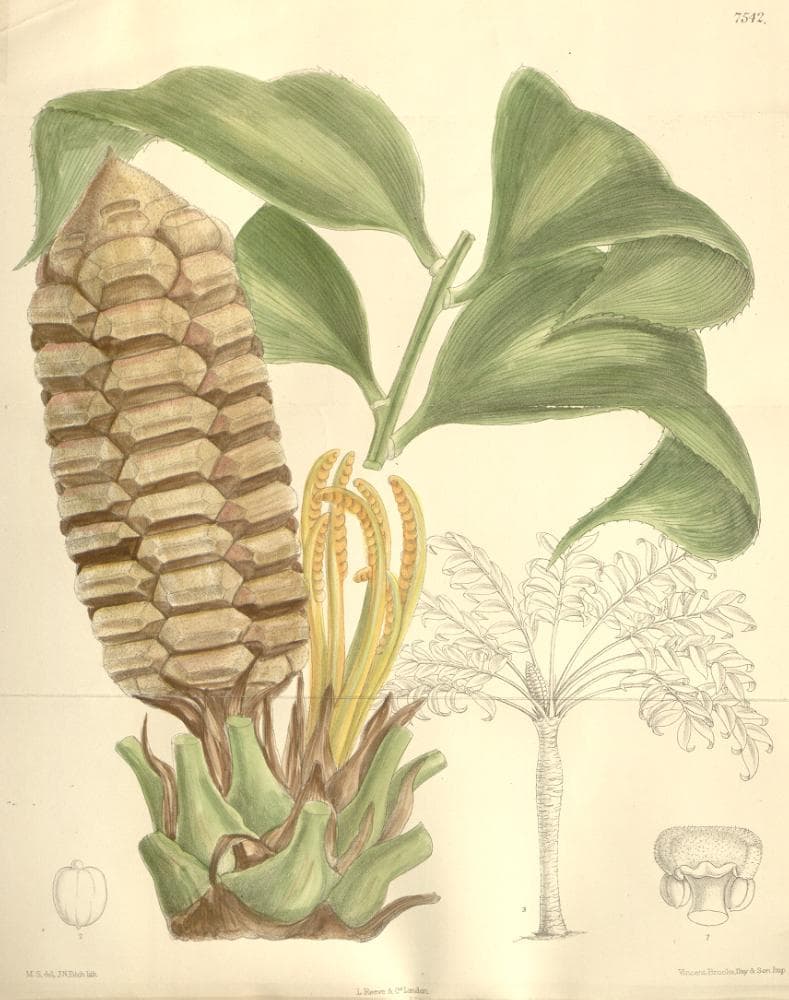
Zamia obliqua
Zamia obliqua is a species of cycad native to the lowland moist forests of Colombia and Panama. Commonly known as "chigua", this plant is a member of the Zamiaceae family. Its survival is threatened by ongoing habitat loss in its natural range.