
Zamia portoricensis
The Susúa State Forest region of western Puerto Rico.·Arborescent·insect
Zamia portoricensis, commonly known as marunguey in Puerto Rican Spanish, is a cycad species belonging to the Zamiaceae family. It is exclusively found in the Susúa State Forest region of western Puerto Rico. A distinctive feature of this species is its obligate mutualistic relationship with the beetle Pharaxonotha portophylla, which lives within male cones and acts as a pollinator.
Key Facts
- ›Endemic to the Susúa State Forest in western Puerto Rico.
- ›Part of the Zamia pumila species complex.
- ›Engages in an obligate mutualistic relationship with the beetle Pharaxonotha portophylla for pollination.
- ›The beetle Pharaxonotha portophylla lives and breeds in male cones, consuming pollen and cone tissue.
- ›Beetles transfer pollen to female cones, facilitating reproduction for Zamia portoricensis.

Marunguey
Puerto Rico
- Male cones serve as habitat and breeding grounds for the beetle Pharaxonotha portophylla.
- Beetles consume pollen and tissues from male cones.
About Zamia portoricensis
Zamia portoricensis, a species of cycad, is known locally in Puerto Rican Spanish as marunguey. This plant is a member of the Zamiaceae family and holds the distinction of being endemic to the Susúa State Forest, located in the western part of Puerto Rico. It is recognized as being part of the broader Zamia pumila species complex.
Mutualistic Relationship
A remarkable aspect of Zamia portoricensis is its obligate mutualistic relationship with the beetle Pharaxonotha portophylla. These beetles live and reproduce within the male cones of the cycad, where they consume pollen and cone tissues. In return for this habitat and food source, the beetles act as crucial pollinators. As they move between cones, they transfer pollen from male cones to female cones, which is essential for the reproductive success of Zamia portoricensis.
Source: Wikipedia ↗
Frequently Asked Questions
What is Zamia portoricensis?
Zamia portoricensis is a species of plant within the Zamiaceae family, commonly referred to as a cycad. It is native to a specific region in Puerto Rico.
Where is Zamia portoricensis found?
This cycad species is endemic to the Susúa State Forest region of western Puerto Rico. It is not found naturally in any other geographic locations.
What is the common name for Zamia portoricensis?
In Puerto Rican Spanish, Zamia portoricensis is commonly known as marunguey. This local name is frequently used to refer to the plant.
How does Zamia portoricensis reproduce?
Zamia portoricensis relies on a specialized mutualistic relationship with the beetle Pharaxonotha portophylla for pollination. The beetles are essential for transferring pollen between male and female cones.
What role do beetles play in the life cycle of Zamia portoricensis?
The beetle Pharaxonotha portophylla lives and breeds within the male cones of Zamia portoricensis, feeding on pollen and cone tissues. During its life cycle, it inadvertently carries pollen to female cones, thereby enabling the plant's reproduction.
Related Cycad species
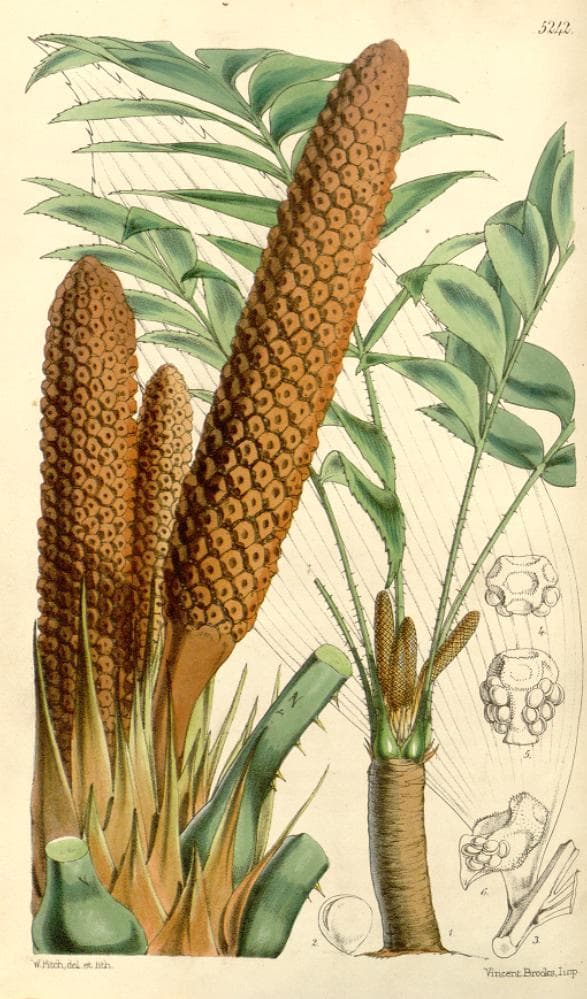
Zamia skinneri
Zamia skinneri is a species of cycad belonging to the Zamiaceae family, historically known for its variability and complex taxonomic history. Primarily found in the coastal regions of Bocas del Toro Province, Panama, it is characterized by its green-emergent leaves, distinguishing it from some closely related species which exhibit red-emergent foliage. This species engages in an obligate mutualistic relationship with the beetle Pharaxonotha clarkorum, which pollinates its cones.

Zamia loddigesii
Zamia loddigesii, also known by the common name teocinte, is a species of cycad native to several states in Mexico, including Hidalgo, Oaxaca, Tamaulipas, and Veracruz. This species is characterized by its subterranean stem and compound leaves, and it is dioecious, meaning individual plants are either male or female, reproducing via cones. Unfortunately, Zamia loddigesii is threatened by habitat loss due to agricultural expansion and cattle ranching, leading to fragmented populations.
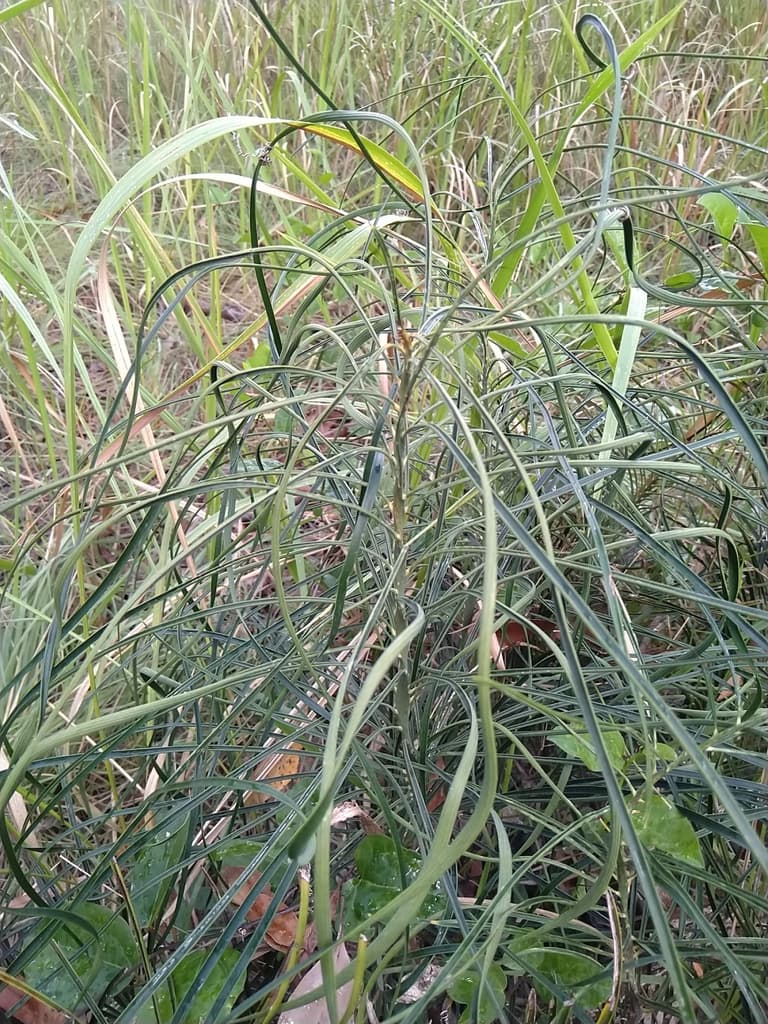
Macrozamia parcifolia
Macrozamia parcifolia is a species of cycad native to Australia, belonging to the Zamiaceae family. Its botanical characteristics are primarily defined by its classification within this family, though specific details regarding its morphology, habitat, and distribution are limited in available records.