
Zamia standleyi
Its natural habitat is the environment found within Honduras.·Threatened
Zamia standleyi, also known by its indigenous name Yojrá unicej, is a species of cycad native to Honduras. It belongs to the Zamiaceae family and is characterized by its unique botanical features, though specific details are not elaborated upon in available records. The species is currently categorized as threatened due to habitat loss.
Key Facts
- ›Endemic to Honduras.
- ›Belongs to the Zamiaceae family.
- ›Threatened by habitat loss.
- ›Indigenous name is Yojrá unicej.
- ›Scientific classification as Zamia standleyi.
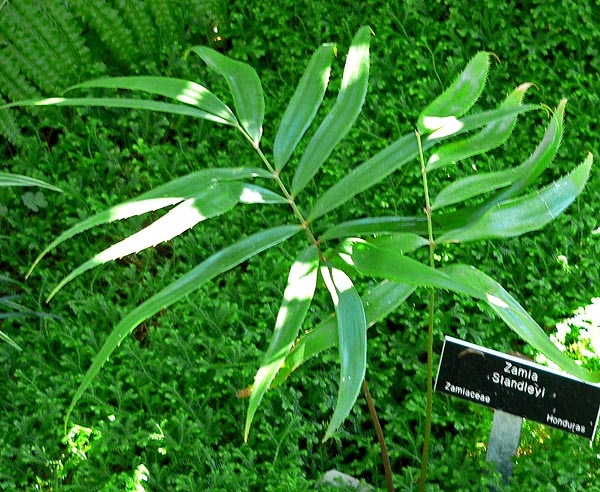
Yojrá Unicej
Honduras
Habitat Loss
About Zamia standleyi
Zamia standleyi, also recognized by its indigenous name Yojrá unicej, is a species of cycad indigenous to Honduras. As a member of the Zamiaceae family, this plant contributes to the botanical diversity of its native region.
Conservation Status and Threats
The species is classified as threatened, with habitat loss being the primary factor endangering its survival in the wild. Its endemic status to Honduras means that conservation efforts are crucial for the persistence of Zamia standleyi.
Source: Wikipedia ↗
Frequently Asked Questions
What is Zamia standleyi?
Zamia standleyi is a species of plant belonging to the cycad family Zamiaceae. It is a plant species native to Honduras.
Where is Zamia standleyi found?
Zamia standleyi is endemic to Honduras, meaning it is found naturally only in this specific geographic region.
What is the conservation status of Zamia standleyi?
Zamia standleyi is considered a threatened species. The primary threat to its survival in its natural habitat is habitat loss.
Does Zamia standleyi have any common names?
Yes, Zamia standleyi is known by the indigenous name Yojrá unicej.
Related Cycad species

Encephalartos chimanimaniensis
Encephalartos chimanimaniensis, commonly known as the Chimanimani cycad, is a species of cycad endemic to the Chimanimani Mountains of eastern Zimbabwe. This threatened species is characterized by its upright, unbranched stem and distinctive feather-like leaves with spiny leaflets. It plays a vital role in its mountain grassland habitat, though it faces significant threats from collectors.

Zamia acuminata
Zamia acuminata is a species of cycad found in the tropical forests of Costa Rica and Panama. It is characterized by its subterranean stem, long pinnately compound leaves with acuminate leaflets, and distinctive cream to tan reproductive cones. This species is notably threatened by habitat loss, highlighting the importance of its conservation.
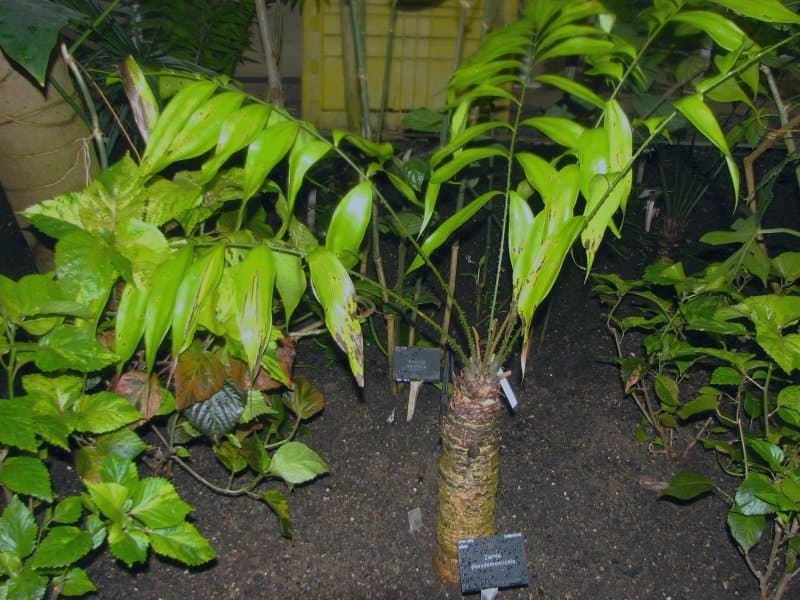
Zamia pseudomonticola
Zamia pseudomonticola is a species of cycad native to the montane forests of Costa Rica and Panama. It is characterized by its adaptation to subtropical and tropical moist mountain environments. A notable feature of this species is its obligatory mutualistic relationship with the beetle Pharaxonotha confusa, which acts as its primary pollinator.