
Actiosaurus
Actiosaurus is an extinct genus of reptile first described in 1883. Initially classified as a dinosaur, it was later reinterpreted as an ichthyosaur and may represent the remains of a choristodere. Due to limited fossil evidence, Actiosaurus is considered a nomen dubium and a species inquirenda.
Key Facts
- ›Actiosaurus was named by Henri Sauvage in 1883.
- ›The type species is Actiosaurus gaudryi.
- ›Fossils were discovered in the Antully bonebed in Autun, France.
- ›It was originally described as a dinosaur but later reinterpreted as an ichthyosaur.
- ›Current interpretations suggest it may be a choristodere.
- ›Actiosaurus is considered a nomen dubium, meaning its taxonomic status is uncertain.
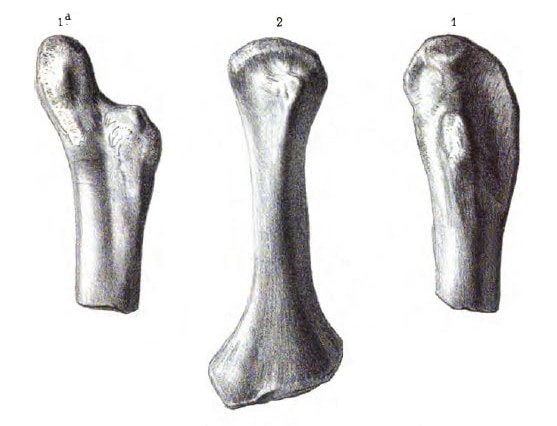
- Bones are similar to the limb bones of choristoderes.
Choristoderes, Ichthyosaurs
France
About Actiosaurus
Actiosaurus is an extinct genus of reptile that lived during the Triassic period. It was first described by Henri Sauvage in 1883, based on fossil remains found in the Antully bonebed in Autun, France. The type species, A. gaudryi, has been subject to considerable taxonomic debate due to the limited nature of the fossil evidence.
Taxonomic History
Initially classified as a dinosaur, Actiosaurus was later reinterpreted as an ichthyosaur in 1908. More recent analyses, such as that by Fischer et al. in 2014, have considered A. gaudryi a species inquirenda (a species of uncertain identity) and noted similarities between its bones and those of choristoderes, a group of semi-aquatic reptiles. Consequently, Actiosaurus is now often considered to represent the remains of a choristodere, though its exact placement remains uncertain. Due to the scant fossil material and ongoing reclassifications, Actiosaurus is widely regarded as a nomen dubium, a "doubtful name," meaning its taxonomic status is too uncertain to be definitive.
Discovery and Significance
The discovery in France provided some of the earliest fossil evidence for reptiles of its kind from the Triassic. However, the fragmentary nature of the fossils means little is known about its specific physical characteristics, diet, or lifestyle. Its significance lies primarily in the historical context of paleontological classification and the ongoing scientific effort to understand the diversity of ancient reptilian life through re-examination of previously described taxa.
Source: Wikipedia ↗
Frequently Asked Questions
What does the name Actiosaurus mean?
The name Actiosaurus means "coast lizard". It was given this name by its describer, Henri Sauvage.
Where were the fossils of Actiosaurus found?
The fossils of Actiosaurus were discovered in the Antully bonebed, located in Autun, France. This site dates to the Triassic period.
Was Actiosaurus a dinosaur?
Actiosaurus was originally described as a dinosaur in 1883. However, subsequent research reinterpreted it as an ichthyosaur, and more recent analyses suggest it might represent the remains of a choristodere.
Why is Actiosaurus considered a nomen dubium?
Actiosaurus is considered a nomen dubium because very little is known about it due to limited fossil material. Its taxonomic classification remains uncertain.
What is a choristodere?
Choristoderes were an extinct group of semi-aquatic reptiles that lived from the Early Jurassic to the Late Miocene. Their exact phylogenetic position is debated, but they are distinct from dinosaurs and ichthyosaurs.
Related Dinosaur species

Arctosaurus
Arctosaurus is an extinct genus of archosauromorph reptile that lived during the Late Triassic period. Originally classified as a sauropodomorph dinosaur, and sometimes as a theropod, recent reviews suggest it is best classified within Archosauriformes due to shared reptilian traits. Its name, meaning "arctic lizard," reflects its discovery location.
Avipes
Avipes is a genus of extinct archosaurs known from a single species, Avipes dillstedtianus. This dinosaur lived during the middle Triassic period and its name translates to "bird foot." The limited fossil evidence makes its precise classification challenging.

Belodon
Belodon is considered a dubious genus of phytosaur, a group of crocodile-like reptiles that inhabited the Earth during the Triassic period. Fossils attributed to Belodon have been discovered across Europe, North America, and India. Due to the lack of taxonomic utility in phytosaur teeth, the genus is now regarded as invalid, with many specimens reassigned to other genera.