
Belodon
Belodon is considered a dubious genus of phytosaur, a group of crocodile-like reptiles that inhabited the Earth during the Triassic period. Fossils attributed to Belodon have been discovered across Europe, North America, and India. Due to the lack of taxonomic utility in phytosaur teeth, the genus is now regarded as invalid, with many specimens reassigned to other genera.
Key Facts
- ›Belodon was a phytosaur, a type of crocodile-like reptile.
- ›It lived during the Triassic period.
- ›Fossils have been found in Europe, North America, and India.
- ›The genus is now considered dubious and invalid.
- ›Many species originally assigned to Belodon have been reclassified into other genera like Mystriosuchus and Machaeroprosopus.

Crocodile-Like Reptile, Possessed Teeth Described As 'Arrow-Shaped'
Mystriosuchus, Machaeroprosopus, Nicrosaurus
Europe, North America, India
About Belodon
Belodon is a genus of phytosaur, an extinct group of large, crocodile-like reptiles that lived during the Triassic period. The name "Belodon" itself means "arrow tooth," a descriptor likely inspired by the shape of its teeth. Fossils attributed to this genus have been unearthed across different continents, including Europe, North America, and India, suggesting a widespread distribution during its time.
Classification and Validity
Despite numerous species being named under the Belodon genus, it is now widely considered a dubious and invalid taxon. This reclassification stems from the understanding that phytosaur teeth, the primary basis for many of these early descriptions, do not possess enough distinct characteristics to reliably differentiate between genera. Consequently, many specimens originally identified as Belodon have since been reassigned to other established phytosaur genera, such as Mystriosuchus, Machaeroprosopus, and Nicrosaurus. The type species, Belodon plieningeri, was first described by the German paleontologist Christian Erich Hermann von Meyer in 1844.
Source: Wikipedia ↗
Frequently Asked Questions
What does the name Belodon mean?
The name Belodon translates to 'arrow tooth', referring to the shape of its teeth.
When did Belodon live?
Belodon lived during the Triassic period, an era characterized by the diversification of reptiles.
Where have Belodon fossils been found?
Fossils attributed to Belodon have been discovered in multiple continents, including Europe, North America, and India, indicating a wide geographic distribution.
Is Belodon a valid dinosaur genus?
No, Belodon is now considered a dubious and invalid genus. This is primarily because phytosaur teeth, which formed the basis of its classification, lack sufficient taxonomic distinction.
What happened to the species originally named Belodon?
Many species that were once classified under the Belodon genus have since been re-examined and reassigned to other, more valid phytosaur genera such as Mystriosuchus, Machaeroprosopus, and Nicrosaurus.
Related Dinosaur species
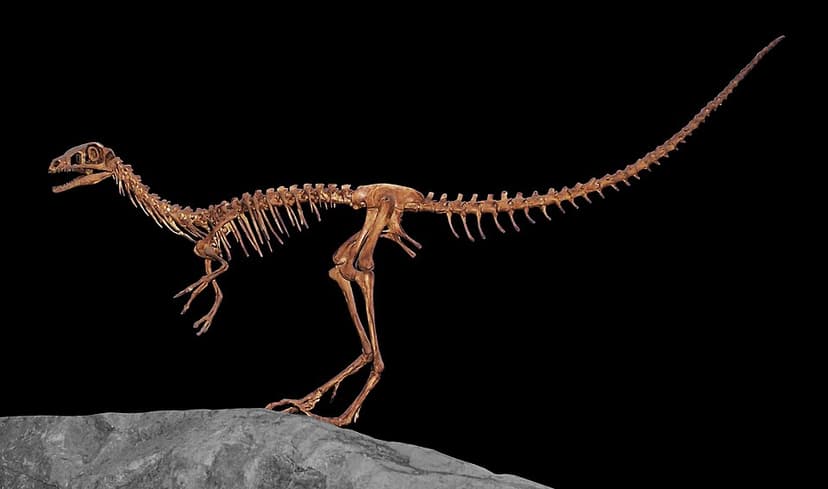
Compsognathus
Compsognathus was a small, bipedal, carnivorous theropod dinosaur that lived approximately 150 million years ago during the late Jurassic period. Known for its chicken-like size, it is famous for being one of the first non-avialan dinosaurs discovered with a nearly complete skeleton. Its diet consisted of small vertebrates, evidenced by the remains of lizards found within its fossilized stomach.
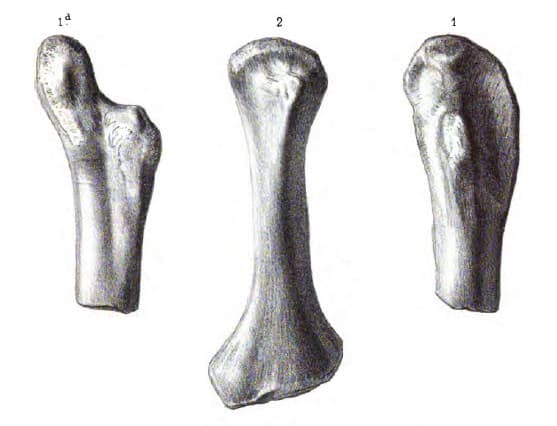
Actiosaurus
Actiosaurus is an extinct genus of reptile first described in 1883. Initially classified as a dinosaur, it was later reinterpreted as an ichthyosaur and may represent the remains of a choristodere. Due to limited fossil evidence, Actiosaurus is considered a nomen dubium and a species inquirenda.

Arctosaurus
Arctosaurus is an extinct genus of archosauromorph reptile that lived during the Late Triassic period. Originally classified as a sauropodomorph dinosaur, and sometimes as a theropod, recent reviews suggest it is best classified within Archosauriformes due to shared reptilian traits. Its name, meaning "arctic lizard," reflects its discovery location.