
Arctosaurus
Arctosaurus is an extinct genus of archosauromorph reptile that lived during the Late Triassic period. Originally classified as a sauropodomorph dinosaur, and sometimes as a theropod, recent reviews suggest it is best classified within Archosauriformes due to shared reptilian traits. Its name, meaning "arctic lizard," reflects its discovery location.
Key Facts
- ›Arctosaurus is an extinct genus of archosauromorph reptile.
- ›Fossils were discovered on Cameron Island, Nunavut, Canada.
- ›The genus lived during the Late Triassic geological period.
- ›Its name means "arctic lizard."
- ›Based on a neck vertebra, an estimated length of about 1.5 meters (4.9 ft) has been extrapolated.

- Estimated length of about 1.5 meters extrapolated from a single vertebra.
Canada
About Arctosaurus
Arctosaurus is an extinct genus of archosauromorph reptiles that inhabited the Earth during the Late Triassic period. While often classified as a sauropodomorph dinosaur between 1900 and 1976, and at other times considered a theropod, contemporary scientific consensus, based on recent reviews, places it more broadly within Archosauriformes. This classification reflects that the similarities it shares with theropods are characteristic of several groups of Late Triassic reptiles, making a more specific assignment difficult.
Discovery and Naming
The genus is known from limited fossil evidence, primarily a single neck vertebra designated as the holotype (NMING: F14878). This specimen was discovered in 1859 by Captain Sherard Osborn. The discovery site was Cameron Island, located in Nunavut, Canada, within rocks belonging to the Heiberg Formation, which are dated to the Late Triassic. The name "Arctosaurus" itself translates to "arctic lizard," a direct reference to the frigid, high-latitude region where its fossil remains were found.
Physical Characteristics and Classification
Based on the size of the recovered neck vertebra, paleontologists have extrapolated an estimated length for Arctosaurus of approximately 1.5 meters (4.9 ft). The exact diet, locomotion, and habitat of Arctosaurus remain largely unknown due to the fragmentary nature of the fossil record. Its classification has been a subject of debate, with suggestions including sauropodomorph, theropod, trilophosaurian affinities, and more broadly archosauriform. The most recent reviews point to its placement within Archosauriformes, acknowledging shared traits with various Late Triassic reptile groups.
Source: Wikipedia ↗
Frequently Asked Questions
What does the name Arctosaurus mean?
The name Arctosaurus means "arctic lizard." This name was given in reference to the high latitude where the holotype specimen was discovered.
Where were the fossils of Arctosaurus found?
The holotype specimen, a neck vertebra, was found by Captain Sherard Osborn in 1859. The discovery was made on Cameron Island, Nunavut, Canada.
What geological period did Arctosaurus live in?
Arctosaurus lived during the Late Triassic period. The rocks where its fossils were found are dated to this geological time.
How large was Arctosaurus estimated to be?
Based on the size of the discovered neck vertebra, scientists have extrapolated an estimated length of about 1.5 meters (4.9 ft) for Arctosaurus.
How has Arctosaurus been classified over time?
Arctosaurus was often classified as a sauropodomorph dinosaur between 1900 and 1976. It has also been suggested to be a theropod or have trilophosaurian affinities, but recent reviews place it within Archosauriformes.
Related Dinosaur species
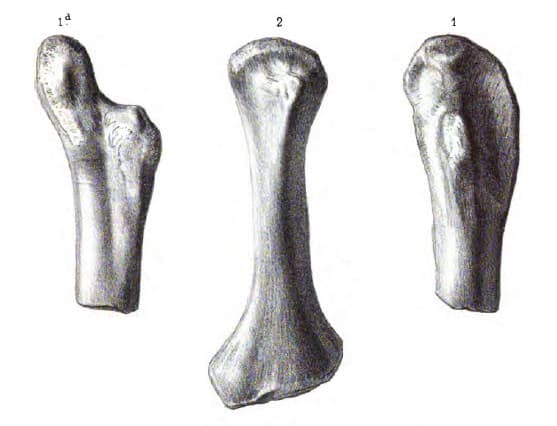
Actiosaurus
Actiosaurus is an extinct genus of reptile first described in 1883. Initially classified as a dinosaur, it was later reinterpreted as an ichthyosaur and may represent the remains of a choristodere. Due to limited fossil evidence, Actiosaurus is considered a nomen dubium and a species inquirenda.
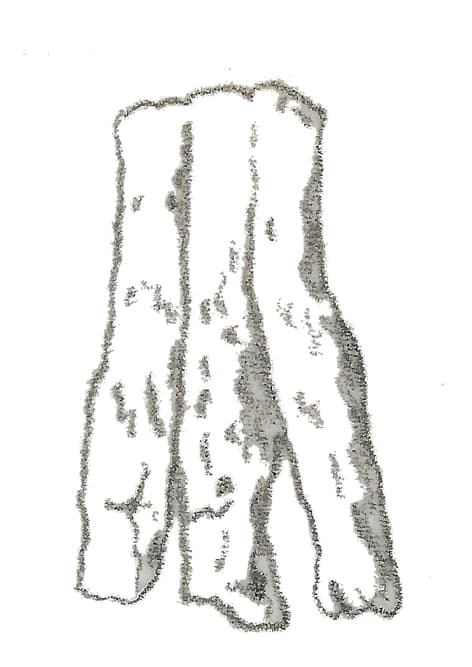
Avipes
Avipes is a genus of extinct archosaurs known from a single species, Avipes dillstedtianus. This dinosaur lived during the middle Triassic period and its name translates to "bird foot." The limited fossil evidence makes its precise classification challenging.

Belodon
Belodon is considered a dubious genus of phytosaur, a group of crocodile-like reptiles that inhabited the Earth during the Triassic period. Fossils attributed to Belodon have been discovered across Europe, North America, and India. Due to the lack of taxonomic utility in phytosaur teeth, the genus is now regarded as invalid, with many specimens reassigned to other genera.