
Altispinax
Altispinax was a large predatory theropod dinosaur that lived during the Early Cretaceous period in what is now England. It is known from a series of distinctive vertebrae featuring unusually tall spines, which gave the dinosaur its name. The classification and naming history of Altispinax have been complex, with several genera and species proposed over time.
Key Facts
- ›Lived during the Early Cretaceous period (140 to 133 million years ago).
- ›Fossils were discovered in East Sussex, England.
- ›Named "with high spines" due to its exceptionally tall neural spines on its vertebrae.
- ›Estimated to have weighed around 1 tonne and been less than 8 meters long.
- ›Its classification has been debated, with various genera assigned to it.
- ›The primary fossil material consists of three posterior dorsal vertebrae.
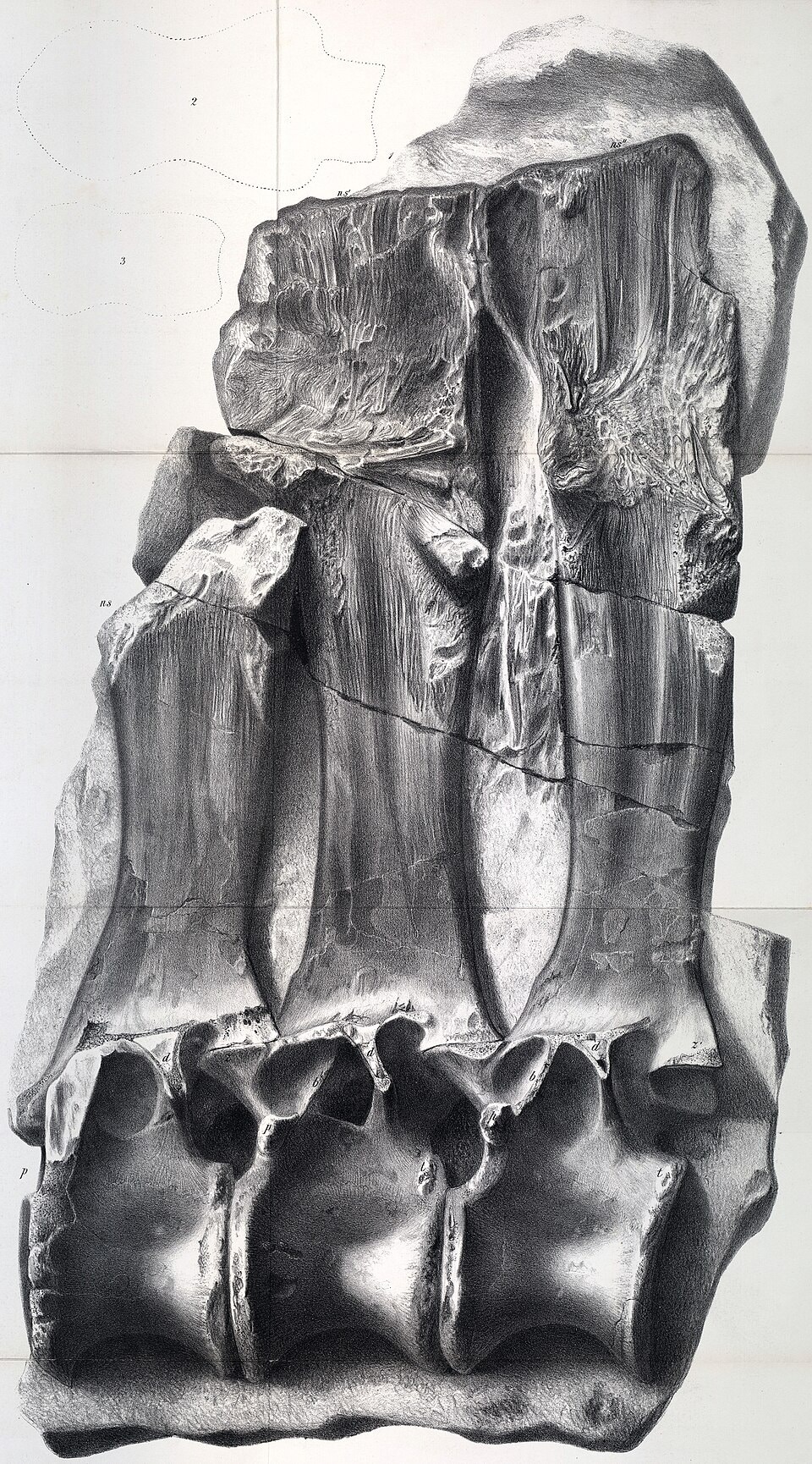
- Possessed very tall neural spines on its dorsal vertebrae, up to 35 cm high.
- Estimated weight of approximately 1 tonne.
- Estimated length shorter than 8 meters.
- Neural spines had irregular rugosities and were transversely expanded at the top.
- Showed evidence of pneumatisation in the neural arch sides.
- Some vertebrae spines may have been fused or partially fused.
Megalosaurus Dunkeri, Acrocanthosaurus, Ichthyovenator, Concavenator
England
About Altispinax
Altispinax is a genus of large predatory theropod dinosaur that roamed the Earth during the Early Cretaceous period, approximately 140 to 133 million years ago. Its fossils, primarily a series of three posterior dorsal vertebrae, were discovered in the Wadhurst Clay Formation of East Sussex, England. The dinosaur's name, meaning "with high spines," accurately describes its most striking physical characteristic: exceptionally tall neural spines on its back vertebrae, which could reach up to thirty-five centimeters in height.
Discovery and Classification
The fossil material was initially found by Samuel Husbands Beckles and reported by palaeontologist Richard Owen in the mid-19th century. Owen initially referred these specimens to Megalosaurus bucklandii. The distinctive vertebrae later led Friedrich von Huene to establish the genus Altispinax in 1923, initially as Altispinax dunkeri, based on the tall spines. However, the classification of Altispinax has been subject to considerable debate and revision over the years. Later researchers questioned the validity of the genus due to the lack of a clear link between the vertebrae and the tooth material originally associated with Megalosaurus dunkeri. This led to the creation of new genera such as Acrocanthosaurus? altispinax by Gregory Paul and Becklespinax by George Olshevsky. More recent interpretations suggest that von Huene's original designation of Altispinax dunkeri was based on the vertebrae themselves, making Altispinax the valid genus for these fossils and placing the earlier names as junior synonyms.
Physical Characteristics and Lifestyle
Altispinax is estimated to have been a formidable predator, weighing around 1 tonne and measuring less than 8 meters in length. The tall neural spines, some of which appear to have been fused or partially fused, suggest a potential display structure or a way to increase the surface area of the back. The vertebrae also show evidence of pneumatisation, a trait found in many theropods where air sacs invaded the bone, likely to reduce weight. While direct evidence of its diet is scarce, its classification as a large theropod strongly indicates a carnivorous lifestyle.
Paleontological Significance
The complex taxonomic history of Altispinax highlights the challenges in classifying dinosaurs based on limited fossil evidence. The ongoing re-examination of its classification underscores the dynamic nature of palaeontology, where new interpretations and analyses can reshape our understanding of prehistoric life. Although known from fragmentary remains, Altispinax remains an important example of the diverse theropod fauna present in Early Cretaceous Europe.
Source: Wikipedia ↗
Frequently Asked Questions
What does the name Altispinax mean?
The name Altispinax means "with high spines." This name was given due to the exceptionally tall neural spines found on the dinosaur's vertebrae.
When did Altispinax live?
Altispinax lived during the Early Cretaceous period, specifically between 140 and 133 million years ago. This corresponds to the Berriasian and Valanginian stages.
Where were the fossils of Altispinax found?
The primary fossils of Altispinax were discovered in a quarry near Battle, East Sussex, England. This location is part of the Wadhurst Clay Formation.
What is unique about the vertebrae of Altispinax?
The most distinctive feature of Altispinax is its vertebrae, which possess neural spines that are remarkably tall, reaching up to thirty-five centimeters in height. These spines are relatively as tall as those found in other dinosaurs like Ichthyovenator.
What was the estimated size of Altispinax?
Tentative estimates suggest that Altispinax weighed around 1 tonne (1.1 short tons). It was also estimated to be shorter than the type specimen of Acrocanthosaurus atokensis, which is about 8 meters (26 ft) long.
Why has the classification of Altispinax been complicated?
The classification of Altispinax has been complex due to its association with Megalosaurus dunkeri and the discovery of isolated bones. Different researchers have proposed various genera and species, leading to a convoluted taxonomic history.
Related Dinosaur species
Barilium
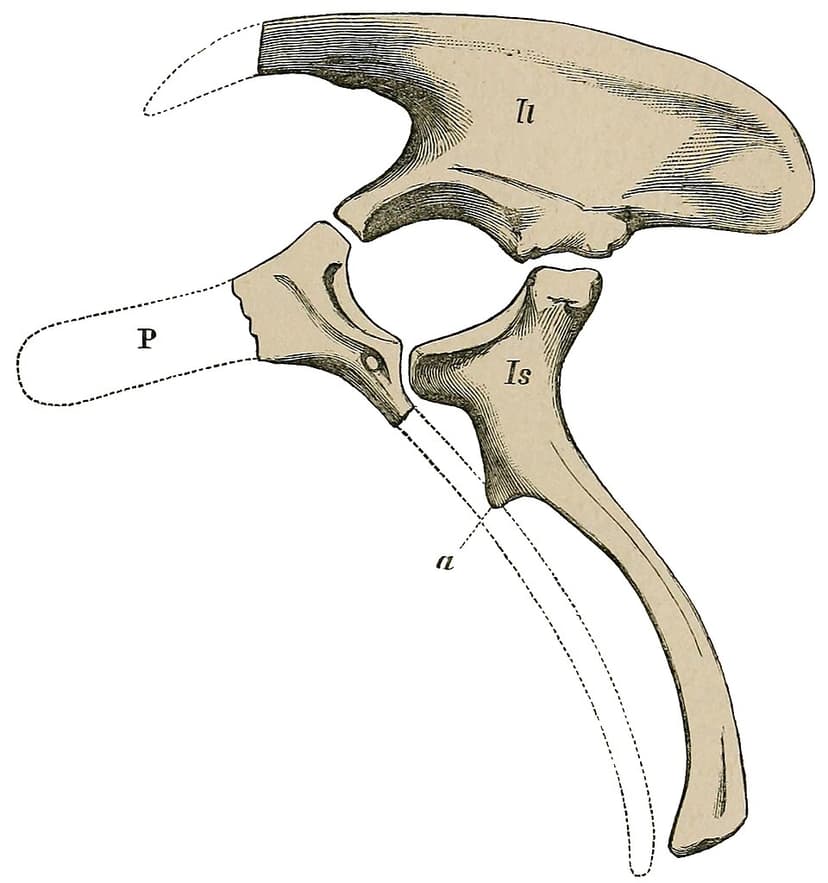
Barilium is a genus of iguanodontian dinosaur that lived during the Early Cretaceous period. It was a robust herbivore, estimated to be around 8 meters long, and is distinguished from related dinosaurs by its vertebral and pelvic anatomy, as well as its sturdier build.

Aratasaurus
Aratasaurus museunacionali is an extinct genus of basal coelurosaurian theropod dinosaur discovered in Brazil. Known from a partial right leg, it is the only tetrapod fossil found in the lower levels of the Romualdo Formation, dating to the Early Cretaceous period. The dinosaur's name commemorates its discovery during the preparation of fossils for the National Museum of Brazil, which was later damaged by a fire.

Aristosuchus
Aristosuchus was a small, bipedal, carnivorous theropod dinosaur that lived during the Early Cretaceous period. Its fossils were discovered on the Isle of Wight, England. Initially misidentified, it was later recognized as a distinct genus and is now generally placed within the Compsognathidae family.