
Aristosuchus
Aristosuchus was a small, bipedal, carnivorous theropod dinosaur that lived during the Early Cretaceous period. Its fossils were discovered on the Isle of Wight, England. Initially misidentified, it was later recognized as a distinct genus and is now generally placed within the Compsognathidae family.
Key Facts
- ›Aristosuchus was a small, carnivorous theropod dinosaur.
- ›It lived during the Early Cretaceous period, specifically the Barremian stage.
- ›Fossils were discovered in the Wessex Formation on the Isle of Wight, England.
- ›The genus name Aristosuchus means 'best crocodile'.
- ›It is estimated to have been around 2 meters (6.6 ft) in length.
- ›Aristosuchus is typically classified within the family Compsognathidae.

- Bipedal
- Small size, approximately 2 meters in length
- Estimated weight of 7-30 kg
- Femur has a wing-like anterior trochanter and a markedly reduced fourth trochanter
Calamospondylus
England
About Aristosuchus
Aristosuchus is a genus of small theropod dinosaur that roamed the Earth during the Early Cretaceous period. The only known species, Aristosuchus pusillus, lived approximately 130 to 123 million years ago during the Barremian stage. Its fossils have been unearthed in what is now England, specifically on the Isle of Wight.
Discovery and Naming
The specimen now recognized as Aristosuchus pusillus was discovered by Reverend William D. Fox in the Wessex Formation on the Isle of Wight. Initially described by Richard Owen in 1876 as a new species of Poekilopleuron, he named it Poikilopleuron pusillus. The name pusillus is Latin for "very small." In 1887, Harry Govier Seeley re-examined the fossils and, recognizing distinct features, established the new genus Aristosuchus. The genus name combines the Greek words "aristós" (best, superior) and "sōuchos" (a corruption of the name of the Egyptian crocodile god Sobek), translating to 'best crocodile'.
Physical Characteristics and Classification
Aristosuchus was a bipedal, carnivorous dinosaur. Estimates suggest it reached about 2 meters (6.6 ft) in length and weighed between 7 and 30 kilograms (15-66 lb). Anatomical details include a femur with a distinctive wing-like anterior trochanter. While initially thought to be a crocodilian relative or an intermediate between crocodiles and dinosaurs, Aristosuchus is now generally classified within the family Compsognathidae, a group of small theropod dinosaurs.
Palaeoecology
The fossils of Aristosuchus originate from the Wessex Formation, which represents a floodplain environment. This ecosystem was characterized by rivers and lakes, with water levels fluctuating throughout the year. The region likely experienced high precipitation, occasional extreme storms, and periodic flood events that would have deposited organic material, including animal remains. Evidence of frequent wildfires also suggests a landscape dominated by low ground cover, such as pteridophytes, with scattered conifers and cycads.
Source: Wikipedia ↗
Frequently Asked Questions
When did Aristosuchus live?
Aristosuchus lived during the Early Cretaceous period, specifically the Barremian stage. This period dates from approximately 130 to 123 million years ago.
Where were Aristosuchus fossils found?
The fossils of Aristosuchus were discovered on the Isle of Wight, which is now part of England, UK. They were found in deposits belonging to the Wessex Formation.
What does the name Aristosuchus mean?
The scientific name Aristosuchus is derived from Ancient Greek. 'Aristós' means 'best, superior' and 'Sōuchos' is a corruption of the name of the Egyptian crocodile-headed god Sobek, essentially meaning 'best crocodile'.
What did Aristosuchus eat?
Aristosuchus was a meat-eating dinosaur, meaning it was a carnivore. Its classification as a theropod dinosaur supports this diet.
How large was Aristosuchus?
Aristosuchus is estimated to have been about 2 meters (6.6 ft) in length. Its weight has been estimated at around 30 kilograms (66 lb), though some estimates suggest as low as 7 kilograms (15 lb).
What group of dinosaurs does Aristosuchus belong to?
Aristosuchus is generally placed within the family Compsognathidae. This family is part of the larger theropod group of dinosaurs.
Related Dinosaur species
Calamosaurus
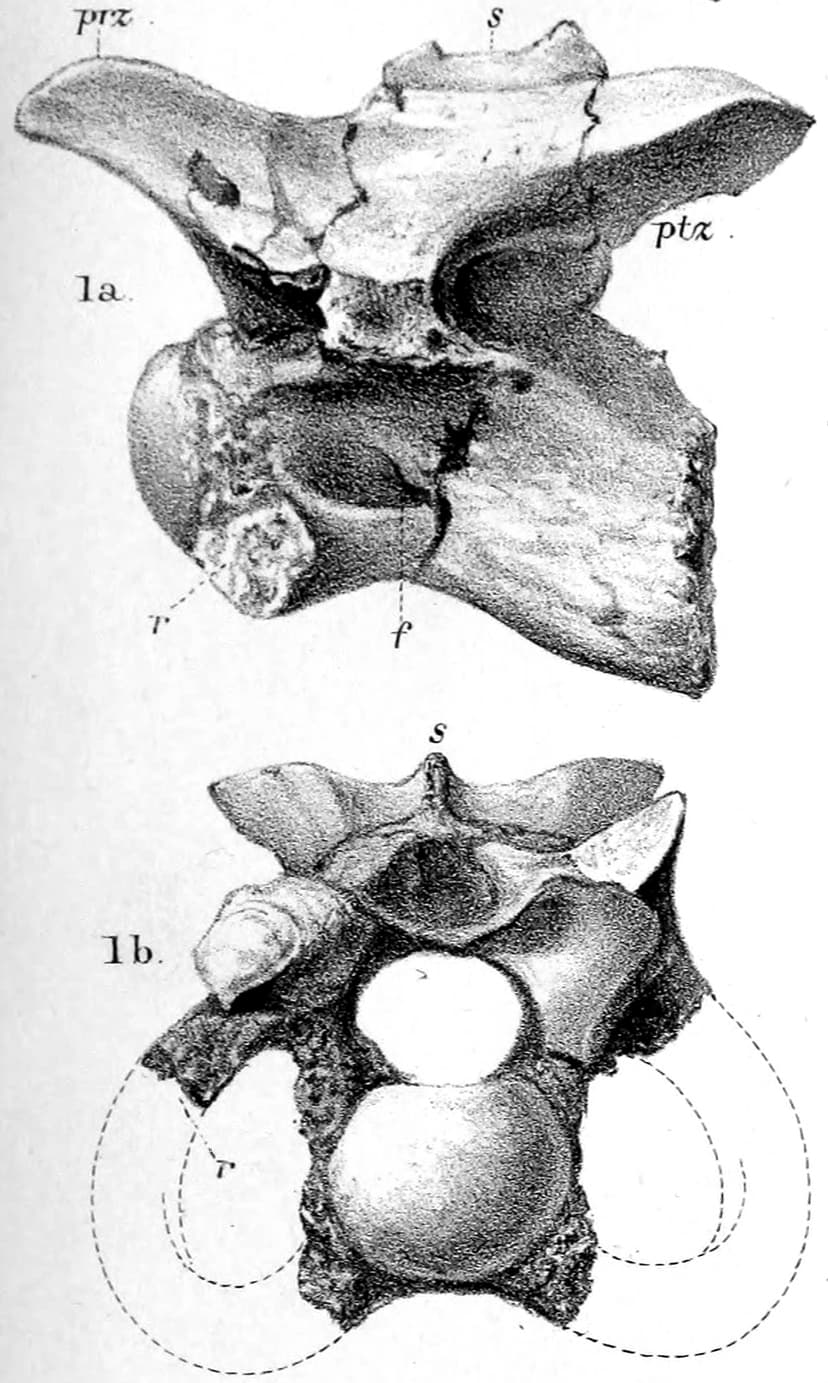
Calamosaurus is a genus of small theropod dinosaur that lived during the Early Cretaceous period on the Isle of Wight, England. Based on two cervical vertebrae, its exact classification has been debated, with suggestions ranging from Compsognathidae and Ornithomimosauria to Tyrannosauroidea and Alvarezsauroidea. Its name, meaning "reed lizard," reflects the slender nature of its discovered remains.

Brighstoneus
Brighstoneus is a genus of hadrosauriform dinosaur that lived during the Early Cretaceous period. Fossils of Brighstoneus have been discovered on the Isle of Wight, England, within the Wessex Formation. This dinosaur is known from a partial skeleton and is notable for its unique skull morphology, including a bulging nasal bone.

Chondrosteosaurus
Chondrosteosaurus was a dubious genus of sauropod dinosaur from the Early Cretaceous Wessex Formation of England. Named for its "cartilage and bone" vertebrae, the genus is now considered a nomen dubium due to a lack of diagnostic features in its fossil remains.