
Barilium
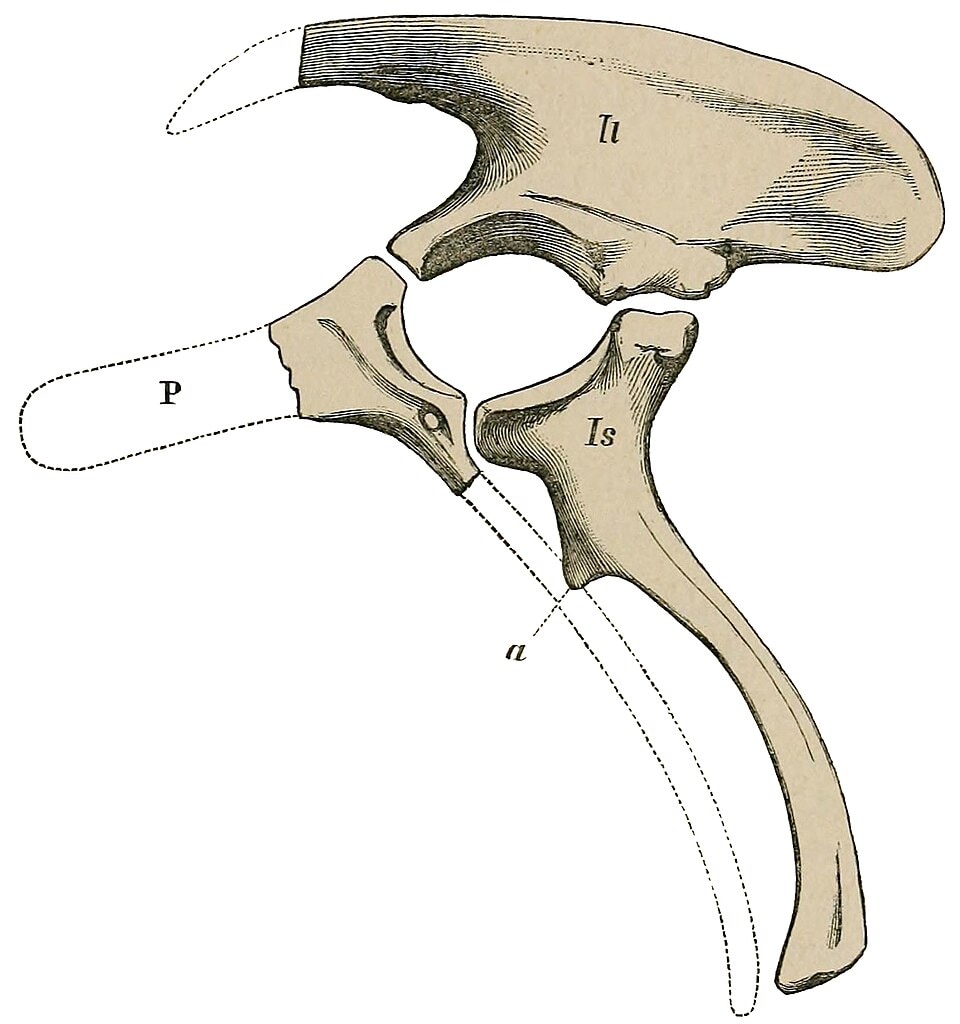
Barilium is a genus of iguanodontian dinosaur that lived during the Early Cretaceous period. It was a robust herbivore, estimated to be around 8 meters long, and is distinguished from related dinosaurs by its vertebral and pelvic anatomy, as well as its sturdier build.
Key Facts
- ›Barilium was a robust iguanodontian dinosaur.
- ›It is estimated to have been approximately 8 meters (26 feet) long.
- ›Fossils were discovered in the Wadhurst Clay formation near St Leonards-on-Sea, East Sussex, England.
- ›The dinosaur lived during the middle Valanginian age of the Lower Cretaceous.
- ›Barilium possessed large, Camptosaurus-like vertebrae with short neural spines.
- ›It is distinguished from its contemporary, Hypselospinus, by its more robust build and vertebral features.
Robust Build, Estimated Length of 8 Meters, Large, Camptosaurus-Like Vertebrae, Short Neural Spines On Vertebrae
Hypselospinus, Iguanodon, Camptosaurus
England
About Barilium
Barilium is a genus of iguanodontian dinosaur that roamed the Earth during the Early Cretaceous period. First described as a species of Iguanodon (I. dawsoni) by Richard Lydekker in 1888, it was later reclassified as a distinct genus by David Norman in 2010. The name Barilium, derived from Greek and Latin roots meaning "heavy pelvis," aptly describes its robust physique.
Discovery and Classification
Fossils of Barilium were unearthed near St Leonards-on-Sea in East Sussex, England, within the Wadhurst Clay formation. These remains date to the middle Valanginian age, placing the dinosaur's existence around 130 million years ago. The genus is known from two partial skeletons. In 2010, Kenneth Carpenter and Yusuke Ishida independently proposed the genus Torilion for this dinosaur, which is considered a junior objective synonym of Barilium.
Physical Characteristics and Lifestyle
Barilium was a substantial herbivore, estimated to have reached approximately 8 meters (26 feet) in length. It was notably more robust than its contemporary, Hypselospinus. Distinctive features include large, Camptosaurus-like vertebrae that possess short neural spines, contrasting with the "long, narrow, and steeply inclined neural spines" characteristic of Hypselospinus. These anatomical differences in the vertebral column and pelvis, along with its sturdier build, are key factors separating Barilium from closely related genera.
Source: Wikipedia ↗
Frequently Asked Questions
What does the name Barilium mean?
The generic name Barilium is derived from the Greek word 'barys,' meaning 'heavy,' and the Latin word 'ilium,' referring to a part of the pelvis. This name likely reflects the dinosaur's robust build.
When did Barilium live?
Barilium lived during the middle Valanginian age, which falls within the Early Cretaceous period. This places its existence approximately 130 million years ago.
Where were Barilium fossils found?
Fossils of Barilium have been discovered near St Leonards-on-Sea in East Sussex, England. They were found within the Wadhurst Clay formation.
How large was Barilium?
Barilium is estimated to have been about 8 meters (26 feet) in length. It was characterized as a robust dinosaur, suggesting a substantial build for its size.
What is Barilium known for?
Barilium is known for being a robust iguanodontian dinosaur. It is distinguished from related species like Hypselospinus by its heavier build and specific vertebral and pelvic characteristics, including large vertebrae with short neural spines.
Related Dinosaur species
Altispinax
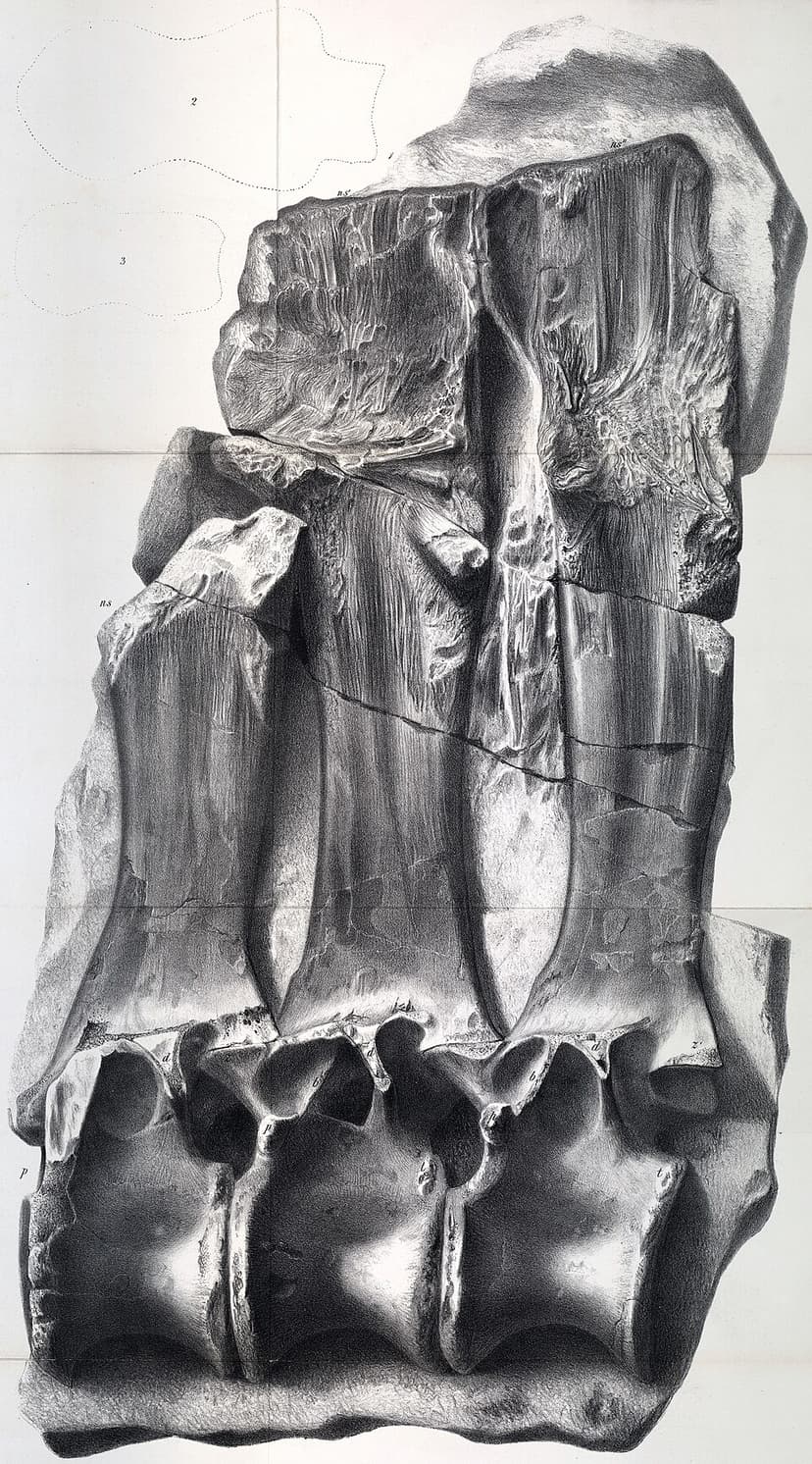
Altispinax was a large predatory theropod dinosaur that lived during the Early Cretaceous period in what is now England. It is known from a series of distinctive vertebrae featuring unusually tall spines, which gave the dinosaur its name. The classification and naming history of Altispinax have been complex, with several genera and species proposed over time.
Abdarainurus
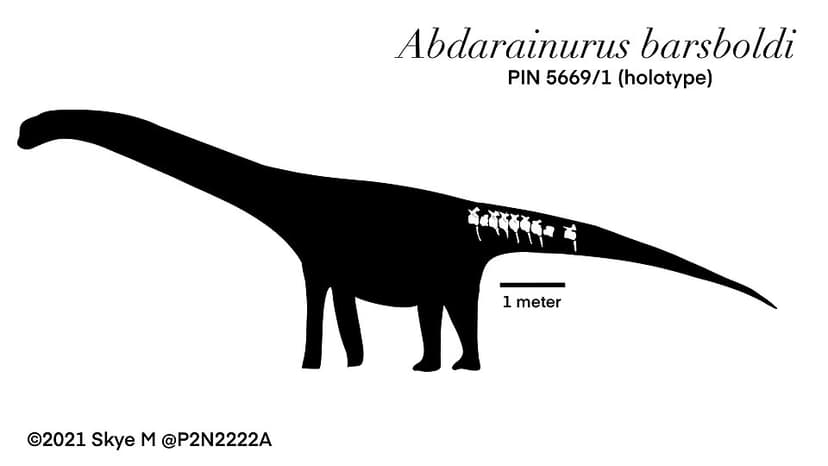
Abdarainurus is a genus of titanosaur dinosaur known from the Alagteeg Formation in Mongolia. The only known species, A. barsboldi, is currently considered an indeterminate titanosaur and might represent a previously undocumented lineage of Asian macronarians. Its existence is primarily evidenced by a limited number of tail vertebrae.
Aegyptosaurus
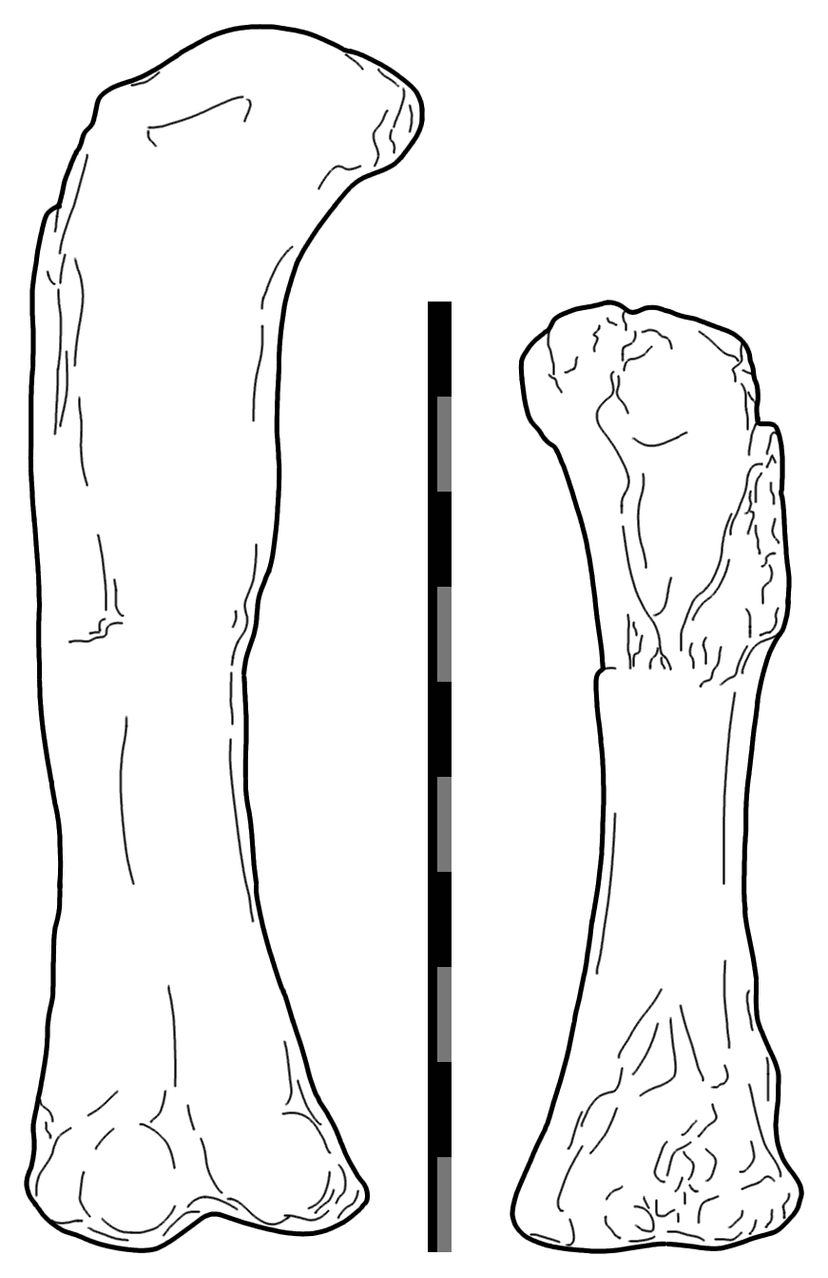
Aegyptosaurus was a genus of sauropod dinosaur that lived in Africa approximately 95 million years ago during the Late Cretaceous Period. Its fossils, though largely destroyed during World War II, were first discovered in Egypt and have also been found in Niger. The dinosaur is estimated to have been around 15 meters long and weighed about 7 tonnes.