
Aniksosaurus
Aniksosaurus was a bipedal theropod dinosaur that lived in what is now Chubut Province, Argentina, during the Late Cretaceous period. Its name, meaning 'spring lizard,' refers to the time of its discovery. Fossil evidence suggests Aniksosaurus may have been gregarious, particularly during its sub-adult stages.
Key Facts
- ›Aniksosaurus lived during the Cenomanian to Turonian stages of the Cretaceous period, approximately 96-91 million years ago.
- ›Fossils were discovered in the Bajo Barreal Formation of Chubut Province, Argentina.
- ›It was a bipedal theropod dinosaur, with adaptations suggesting cursorial (running) habits.
- ›Estimated to be between 2 to 3 meters in length and weigh 35-45 kilograms.
- ›Evidence suggests Aniksosaurus may have exhibited gregarious behavior, especially as a sub-adult.
- Estimated length between 2-3 meters.
- Estimated weight between 35-45 kilograms.
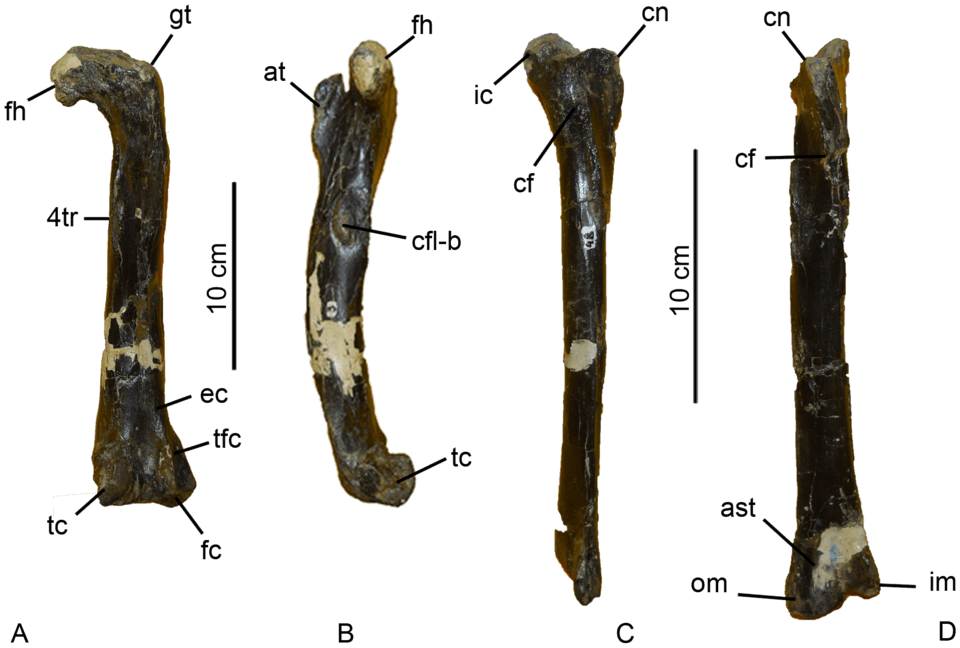
- Tibia is approximately 13% longer than the femur, suggesting cursorial adaptations.
- Juvenile to sub-adult individuals showed histological characteristics indicating an approximate age of three years.
- Distinguishing features include deep neural arches on cranial cervical vertebrae, a wide neural canal, and a transversely narrow metatarsal and digit IV of the pes.
Compsognathidae, Xenotarsosaurus Bonapartei, Drusilasaura, Epachthosaurus, Secernosaurus
Argentina
About Aniksosaurus
Aniksosaurus is a genus of theropod dinosaur that roamed the landscapes of what is now Chubut Province, Argentina, during the Late Cretaceous period. Specifically, it lived between the Cenomanian and Turonian stages, approximately 96 to 91 million years ago. The genus name, Aniksosaurus, translates to 'spring lizard,' a nod to its discovery on September 21, 1995, coinciding with the onset of Spring in the Southern Hemisphere. The type species, Aniksosaurus darwini, was formally described by Rubén Dario Martínez and Fernando Emilio Novas in 2006, with the specific epithet honoring Charles Darwin for his significant contributions to paleontology and his visit to Patagonia.
Description and Paleobiology
The fossil record of Aniksosaurus, primarily from the Bajo Barreal Formation, includes articulated hindlimbs and other skeletal elements. These remains indicate a bipedal dinosaur with adaptations strongly correlated with cursorial, or running, habits, such as a tibia that is measurably longer than the femur. Initial estimates placed the dinosaur at around 2 meters long and weighing up to 65 kilograms. However, more recent analyses suggest a slightly larger size, with a total body length between 2 and 3 meters and a body weight of 35 to 45 kilograms. Histological analysis of bone samples from several individuals, including the holotype, indicates that these specimens were juveniles or sub-adults, with an approximate age of three years, exhibiting features characteristic of ontogenetic immaturity.
Classification and Paleoecology
Initially assigned to the clade Coelurosauria, Aniksosaurus displays derived features found within this group. Subsequent research has placed it phylogenetically closer to taxa like Compsognathidae, or as a maniraptoromorph outside of compsognathids and maniraptorans, with some studies suggesting it could be a megaraptoran. Evidence from monospecific bonebeds suggests that Aniksosaurus may have been a gregarious animal, a behavior likely exhibited during its sub-adult life stages, which would have offered a selective advantage in its environment. The paleoenvironment of Aniksosaurus was a fluvial floodplain, indicated by the depositional setting of the sandstone-rich Bajo Barreal Formation. This formation has also yielded fossils of other dinosaur species, including abelisaurids, sauropods, and hadrosaurs, painting a picture of a diverse ecosystem.
Source: Wikipedia ↗
Frequently Asked Questions
What does the name Aniksosaurus mean?
The name Aniksosaurus means 'spring lizard'. It was named in reference to the date of its discovery, September 21, 1995, which marks the beginning of Spring in the Southern Hemisphere.
When and where did Aniksosaurus live?
Aniksosaurus lived during the Cenomanian to Turonian stages of the Cretaceous period, between 96 and 91 million years ago. Its fossils have been found in Chubut Province, Argentina.
What was the estimated size of Aniksosaurus?
Recent estimates suggest Aniksosaurus had a total body length between 2 and 3 meters and a body weight ranging from 35 to 45 kilograms. Earlier estimates suggested a length of about 2 meters and a height of 70 cm at the hip, weighing up to 65 kilograms.
What type of dinosaur was Aniksosaurus?
Aniksosaurus was a theropod dinosaur. It has been classified within Coelurosauria and is considered by some research to be closely related to Compsognathidae or a maniraptoromorph.
What evidence suggests Aniksosaurus was social?
The discovery of monospecific bonebeds, meaning multiple individuals found together, suggests Aniksosaurus was gregarious. This behavior may have provided a selective advantage over competitors in its environment.
What other dinosaurs lived alongside Aniksosaurus?
The Bajo Barreal Formation fauna includes other dinosaurs such as the abelisaurid theropod Xenotarsosaurus bonapartei, sauropods like Drusilasaura and Epachthosaurus, and the hadrosaur Secernosaurus.
Related Dinosaur species

Asfaltovenator
Asfaltovenator vialidadi was a large theropod dinosaur that lived during the Early Jurassic period in what is now Argentina. Its classification has been a subject of debate, with some studies placing it as a basal allosauroid and others suggesting it belongs within the Allosauridae family. The discovery of its partial skeleton has provided valuable insights into the evolution of tetanuran theropods during a period of significant environmental change.

Carnotaurus
Carnotaurus was a large, lightly built theropod dinosaur that roamed South America during the Late Cretaceous period. It is distinguished by a pair of prominent horns above its eyes and a very deep skull. Known from a single, well-preserved skeleton, Carnotaurus is one of the most thoroughly understood theropods from the Southern Hemisphere.

Bicharracosaurus
Bicharracosaurus was a large macronarian sauropod dinosaur that lived during the Late Jurassic period in what is now Argentina. Its name, meaning "big animal lizard," reflects its immense size. The genus is known from a partial skeleton, including vertebrae and ribs, discovered in Chubut Province.