
Asylosaurus
Omnivore or Herbivore·Late Triassic·Bristol, England·Quadrupedal
Asylosaurus is a genus of basal sauropodomorph dinosaur that lived in England during the Late Triassic period. Its name, "unharmed or sanctuary lizard," reflects its survival from potential wartime destruction of other fossils. This dinosaur is known from partial remains discovered in Bristol, England.
Key Facts
- ›Asylosaurus is a basal sauropodomorph dinosaur.
- ›Fossils were discovered in the Avon Fissure Fill of England.
- ›It lived during the Late Triassic period, specifically the Rhaetian age.
- ›The type species is a. yalensis, named in reference to Yale University.
- ›It is distinguished from related dinosaurs like Thecodontosaurus by its humerus structure.
- ›Estimated to be about 2 meters long and weigh 250 kilograms.
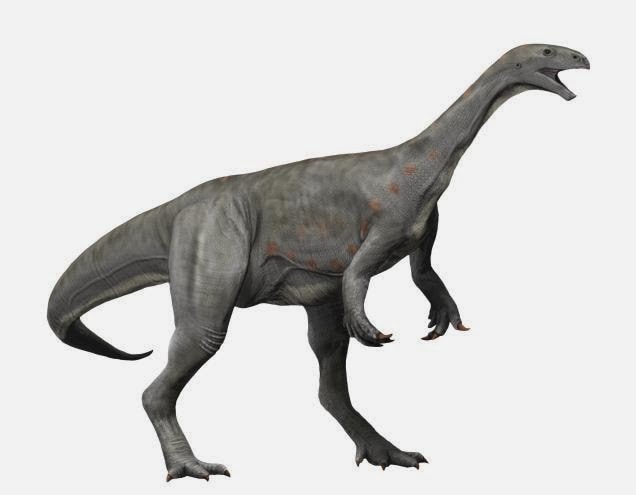
- Partial Skeleton of the Torso Region
- Includes Back Vertebrae, Ribs, Gastralia, Shoulder Girdle, Humeri, Partial Forearm, and Hand
- Estimated Length: 2 Meters
- Estimated Weight: 250 Kilograms
- Distinguished By Humerus Structure
Thecodontosaurus, Pantydraco
England
About Asylosaurus
Asylosaurus is a genus of basal sauropodomorph dinosaur that roamed the Earth during the Late Triassic period. Its fossils were discovered in the Avon Fissure Fill of England, specifically within a Rhaetian-age cave fill at Durdham Down, Clifton, Bristol.
Naming and Discovery
The genus was formally described by Peter Galton in 2007. The type species, A. yalensis, was named in honor of Yale University, where some of the fossil material was brought by Othniel Charles Marsh between 1888 and 1890. These particular remains fortunately survived a World War II bombardment that destroyed the original holotype of the related dinosaur Thecodontosaurus.
Physical Characteristics and Diet
Asylosaurus is known from partial skeletal remains, including vertebrae, ribs, gastralia, elements of the shoulder girdle, humeri (upper arm bones), and parts of the forearm and hand. Additional bones from the neck, tail, pelvis, arms, and legs may belong to the same individual. Estimates suggest Asylosaurus was approximately 2 meters (6 ft 7 in) in length and weighed around 250 kilograms (550 lb). Its diet is thought to have been omnivorous or herbivorous, potentially occupying a distinct ecological niche from its contemporaries.
Distinguishing Features
Asylosaurus is differentiated from other contemporaneous basal sauropodomorphs like Thecodontosaurus and Pantydraco primarily by the specific structure of its humerus. This anatomical difference may have played a role in its specialized lifestyle or feeding habits.
Source: Wikipedia ↗
Frequently Asked Questions
What does the name Asylosaurus mean?
The name Asylosaurus means "unharmed or sanctuary lizard." This name may allude to the survival of its fossil remains from potential destruction during World War II.
When and where did Asylosaurus live?
Asylosaurus lived during the Late Triassic period, specifically in the Rhaetian age. Its fossils were found in a cave fill at Durdham Down, Clifton, Bristol, England.
What kind of dinosaur was Asylosaurus?
Asylosaurus was a basal sauropodomorph, a group of early long-necked dinosaurs. It is known from partial skeletal remains.
What are the key physical characteristics of Asylosaurus?
Asylosaurus is estimated to have been around 2 meters (6 ft 7 in) long and weighed approximately 250 kilograms (550 lb). Its distinguishing feature among contemporaneous relatives is the structure of its humerus.
How does Asylosaurus differ from other similar dinosaurs?
Asylosaurus can be distinguished from contemporaneous basal sauropodomorphs like Thecodontosaurus and Pantydraco by the specific structure of its humerus, or upper arm bone.
Related Dinosaur species
Chirostenotes
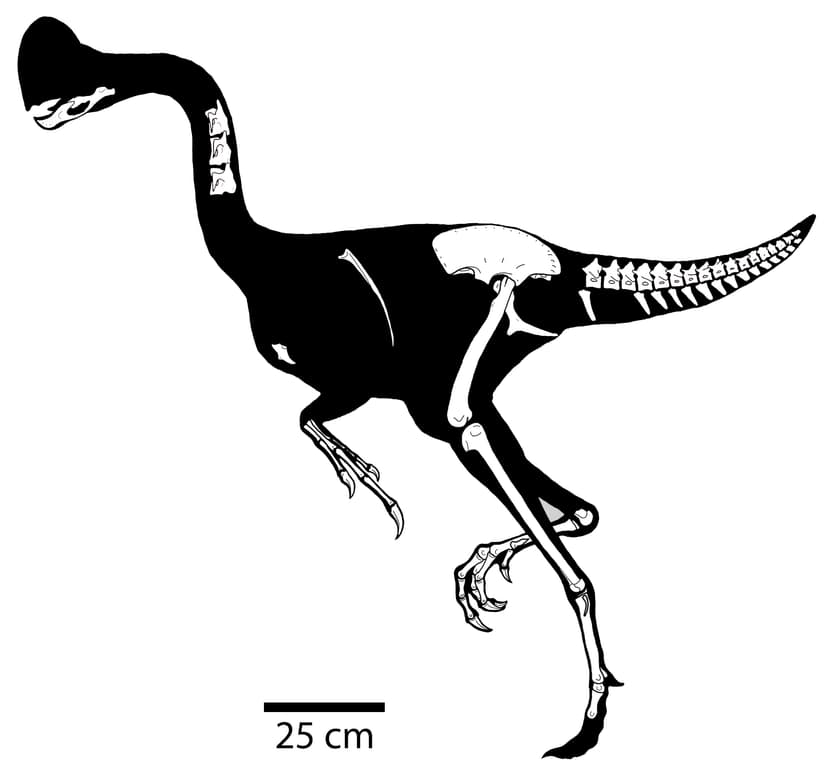
Chirostenotes is a genus of oviraptorosaurian dinosaur that lived in Alberta, Canada, during the Late Cretaceous period, approximately 76.5 to 75 million years ago. Known for its narrow hands and long legs, its precise classification and the assignment of fossil remains have a complex history, with several related genera eventually being incorporated or distinguished from it.
Blikanasaurus
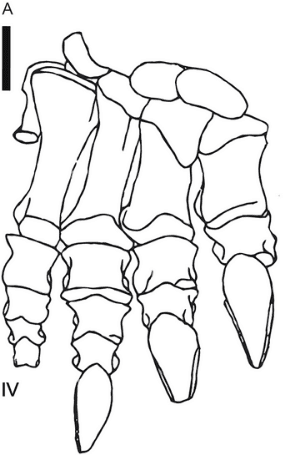
Blikanasaurus is a genus of sauropodomorph dinosaur that lived in South Africa during the Late Triassic period. It is known only from partial hindlimb bones, which suggest it was a robust, quadrupedal animal. Due to the fragmentary nature of its fossils, much about its anatomy and classification remains uncertain.

Buriolestes
Buriolestes is an early sauropodomorph dinosaur from the Late Triassic of Brazil. Despite its carnivorous-looking teeth and skull, it is classified as an early member of the herbivorous sauropodomorph lineage. Its discovery provides insights into the early evolution of dinosaurs and their dietary habits.